

There is a distinct, slightly overwhelming feeling that hits you when you stand in the middle of an empty room. Furniture Whether you’ve just signed a lease on your first apartment, moved your family into a new house, or finally decided to tear down the worn-out decor you’ve been staring at for a decade, the blank canvas is both thrilling and terrifying. You look at the bare walls and the open floor space, and your mind immediately fills with big ideas: a deep, cloud-like sectional sofa here, a massive rustic wooden dining table there, and a beautifully structured bed frame that makes the bedroom feel like a boutique hotel.
Then, you open a few furniture tabs online, look at the price tags, and reality slams the door shut.
For a long time, the interior design world operated on a frustratingly rigid rule: if you wanted furniture that wouldn’t fall apart within twelve months, you had to spend an arm and a leg at a high-end showroom. If you couldn’t afford that luxury markup, you were stuck with flat-packed, disposable particleboard pieces that chipped during assembly, wobbled if you looked at them wrong, and felt completely devoid of personality.
But the landscape of home styling has shifted dramatically. Creating a home that feels warm, intentional, and genuinely expensive doesn’t require a lottery win or a mountain of credit card debt. The trick isn’t about throwing massive amounts of money at a space; it’s about understanding the logistics of construction, learning how to manipulate visual weight, and mastering the patience required to hunt down pieces that bridge the gap between affordability and actual, lasting durability.
The Furniture Measuring Tape Manifesto

The absolute biggest mistake people make when furnishing a space happens long before they ever swipe a credit card. It happens because we fall in love with an idea rather than a reality. You see a stunning, deep-seated velvet sofa on an interior design blog, and your brain instantly shorts out. You order it on impulse, wait three weeks for delivery, and then watch in horror as two delivery workers struggle to wedge it through your narrow apartment hallway, only for it to completely swallow your entire living room, leaving no space for a side table or a walking path.
Before you spend a single second browsing sales or looking at color swatches, you need to buy a cheap metal measuring tape and become intimately acquainted with your floor plan.
Measuring a room isn’t just about wall-to-wall dimensions. You have to measure the clearance of your doorways, the height of your window sills, the location of your electrical outlets, and the swing radius of your doors. A gorgeous media console is completely useless if it blocks the only heating vent in the room or forces you to run an ugly extension cord across the rug.
Once you have the hard numbers, map the layout on the floor using blue painter’s tape. Leave the tape there for a full day. Walk around it. See how it affects the natural flow of the room. This simple, zero-cost exercise strips away the emotional fantasy of shopping and forces you to see exactly how much physical scale your life requires. It protects your budget from the massive, hidden costs of return shipping fees and restocking penalties.
Knowing Where to Spend and Where to Skimp
Furnishing a home on a realistic budget is a game of strategic compromise. If you try to buy top-tier, solid-wood, premium-upholstered pieces for every single corner of your house, you will run out of money before you finish the first room. On the flipsite, if you buy the cheapest possible version of everything, you’ll find yourself replacing half your home within two years.
To build a space that lasts, you have to separate your furniture into two distinct categories: Anchor Pieces and Supporting Actors.
Anchor pieces are the hardworking items that directly interact with your body every single day. These are your non-negotiables where quality, structural integrity, and ergonomic support are paramount.
Think about your sofa. It isn’t just a visual statement; it’s a landing pad. It holds your weight, endures movie nights, hosts guests, and handles pets. A cheap sofa with low-density foam will sag within months, leaving you sitting on hard wooden frame rails. The same rule applies to your mattress and your desk chair. These are investments in your spinal health and daily energy levels. When shopping for anchor pieces, you aren’t looking for a bargain-basement price.
A side table doesn’t have to support hundreds of pounds of moving weight; it just needs to hold a lamp and a coffee mug. A bookshelf needs to be sturdy, but it doesn’t require an exotic wood grain to look sophisticated. Accent chairs, coffee tables, entry consoles, and nightstands can easily be sourced from budget-friendly online retailers, clearance outlets, or even secondhand marketplaces. By saving your capital on the items that merely sit there and look pretty, you free up the budget necessary to buy a sofa or a bed that will actually stand the test of time.
The Illusion of Luxury
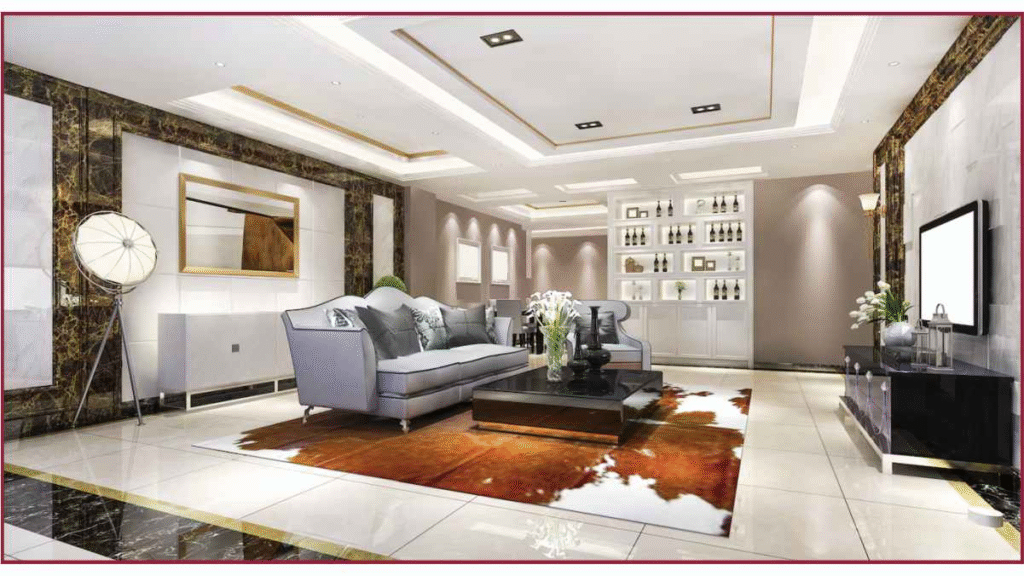
Have you ever walked into a room that felt incredibly high-end, only to realize later that the actual furniture items were surprisingly simple? That is because true luxury in interior design rarely comes from a brand label. It comes from balance, scale, and visual discipline.
If you want to make a budget-friendly room look like a million bucks, you need to understand how to manipulate the environment around the furniture:
- Go Big with Textures, Not Prices: A basic, clean-lined neutral sofa can instantly look like a custom designer piece if you layer it with high-textured linen or waffle-knit throw blankets and down-filled cushions.
- The Power of Low Visual Profiles: In smaller rooms or apartments, choose furniture with exposed legs rather than heavy, blocky bases that sit flat on the floor. Seeing the floor extend under a chair or a cabinet creates an optical illusion of openness and breathing room.
- Fix Your Lighting: Even the most expensive furniture will look cheap and harsh under a single, buzzing overhead dome light. Turn off the big light. Introduce three different sources of warm, low-level lighting at different heights—a floor lamp in the corner, a small table lamp on a console, and perhaps some soft under-cabinet LED strips.
The Strategy of the Slow Buy Furniture

We live in a culture of instant gratification. When we get a new place, we want it to look finished by the end of the weekend. We want the rugs down, the art hung, and every corner filled.
But rushing to fill a home is the absolute easiest way to fill it with clutter and regret.
The smartest, most beautiful homes are built slowly over time. When you move into a space with just your core essentials—a bed, a place to sit, and a table to eat on—you give yourself the invaluable gift of time. You get to watch how the natural sunlight moves through the windows at different hours of the day. Beautiful Home learn where you naturally drop your keys when you walk through the door. You discover which corners feel cozy and which ones feel drafty.
Buying slowly allows you to wait out the retail market. Instead of settling for a mediocre coffee table because you need something to hold your remote control this Friday, you can place a high-quality piece on your digital watchlist and wait for the inevitable end-of-season clearance sale, holiday promotion, or warehouse stock reduction. When you purchase items because they genuinely fit your lifestyle and your aesthetic, rather than out of sheer desperation to fill an empty patch of drywall, you create a home that feels uniquely yours—curated, comfortable, and completely sustainable for your wallet.
Tactical Furniture Framework for Home Curation
| The Reactionary Purchase | The Intentional Purchase |
| Buying a piece solely because it is deeply discounted on a flash sale. | Waiting for a pre-measured, specific item to hit a predictable seasonal clearance. |
| Prioritizing hyper-trendy shapes and loud colors that date quickly. | Investing in clean, timeless silhouettes and neutral foundations that adapt. |
| Treating furniture as disposable items to be replaced every few years. | Inspecting joints, hardware, and fabric weight to ensure long-term durability. |
| Attempting to furnish and decorate an entire home within a single month. | Allowing the space to breathe, buying pieces sequentially as budget permits. |
The Ultimate Destination
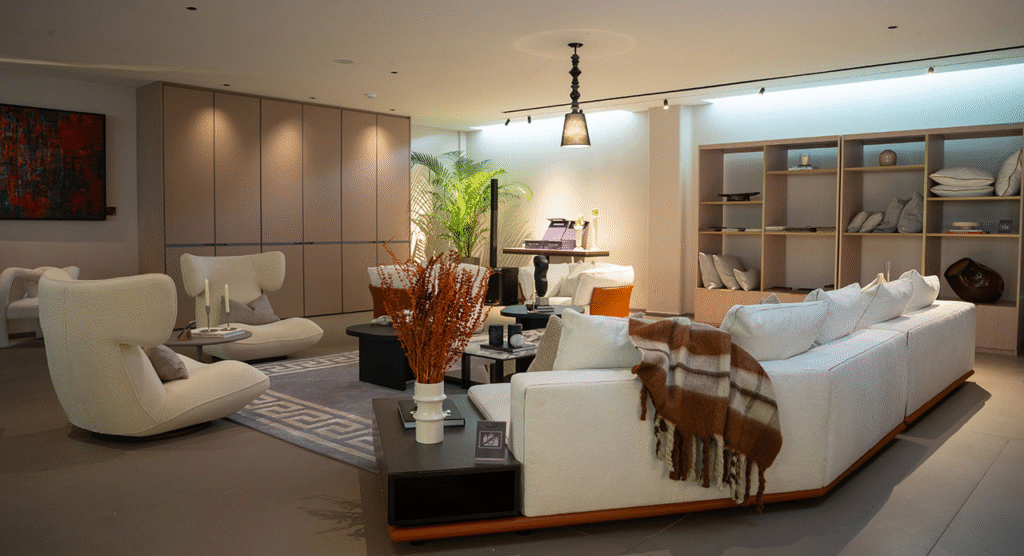
At the end of the day, your home is not a museum showroom designed to impress strangers on the internet. It is the backdrop to your life. It is the place where you kick off your shoes after a brutal day at work, where you gather with the people who matter most to you, and where you seek refuge from a loud, chaotic world.
A truly beautiful room isn’t successful because it cost a fortune; it’s successful because it works for your daily routines. When you approach styling with a clear plan, a firm boundary on your budget, and a refusal to sacrifice comfort for passing trends, you don’t just save money. You build a sanctuary that supports your life, reflects your journey, and welcomes you back every single time you open the front door.
Conclusion
Finding the best furniture deals is not simply about spending less—it is about spending wisely. Quality furniture improves comfort, enhances your home’s appearance, and delivers value for many years. With careful planning, price comparisons, and thoughtful design choices, you can create a stylish and welcoming home without exceeding your budget.
Whether you’re furnishing a single room or redesigning your entire house, remember that the most beautiful homes are built through smart decisions rather than expensive purchases. By focusing on quality, functionality, timeless design, and seasonal deals, you can upgrade your beautiful home for less while enjoying comfort and elegance every day.
Frequently Asked Questions
1. Where can I find the best furniture deals online?
You can find excellent furniture deals on trusted online retailers during seasonal sales, holiday promotions, clearance events, and exclusive online discount campaigns. Comparing prices across multiple stores can help you get the best value.
2. What should I look for before buying furniture?
Consider the quality of materials, durability, size, comfort, warranty, customer reviews, and how well the furniture fits your home’s style and available space.
3. When is the best time to buy furniture at discounted prices?
The best times to shop are during Black Friday, Cyber Monday, New Year sales, end-of-season clearances, holiday promotions, and major retailer anniversary sales, when discounts are often the highest.
4. How can I make my home look stylish without spending too much?
Choose timeless furniture, shop during sales, invest in multi-functional pieces, use matching décor, and add affordable accessories like rugs, cushions, curtains, plants, and lighting to enhance your space.
5. Is expensive furniture always better than affordable furniture?
Not necessarily. Many affordable furniture options offer excellent quality, durability, and style. The key is to compare materials, craftsmanship, customer reviews, and warranty rather than focusing only on the price.