
If you’ve ever tried to look up a proper K-beauty Best Korean Skincare routine, you’ve probably been hit with a wall of intimidating graphics detailing a rigid, exhausting 10-step process. You start doing the mental math on the cost of ten different bottles, look at the time it takes to apply them every morning when you’re already running late for work, and think, “There is absolutely no way.”
Here is the real secret that skin influencers and corporate beauty brands don’t want you to know: Nobody in Korea is doing a rigid 10-step routine every single day.
K-beauty isn’t a strict set of rules; it’s a mindset. Best Korean Skincare It’s a philosophy that completely flips standard Western skincare on its head. Instead of waiting for a massive breakout or dry patch to appear and then attacking it with aggressive, stripping chemicals, Korean skincare is all about long-term prevention, intense hydration, and absolute respect for your Best Korean Skincare skin barrier.Best Korean Skincare The goal is to cultivate skin so genuinely healthy, plump, and resilient that you don’t feel the need to hide behind heavy layers of foundation.
If you want that coveted, lit-from-within “glass skin” glow, you don’t need to spend an hour in front of the mirror every night. You just need to understand how to layer the right products for your specific skin type. Let’s cut through the marketing noise and build the ultimate, realistic routine that actually works.
The Core Concept: Protect Your Brick Wall
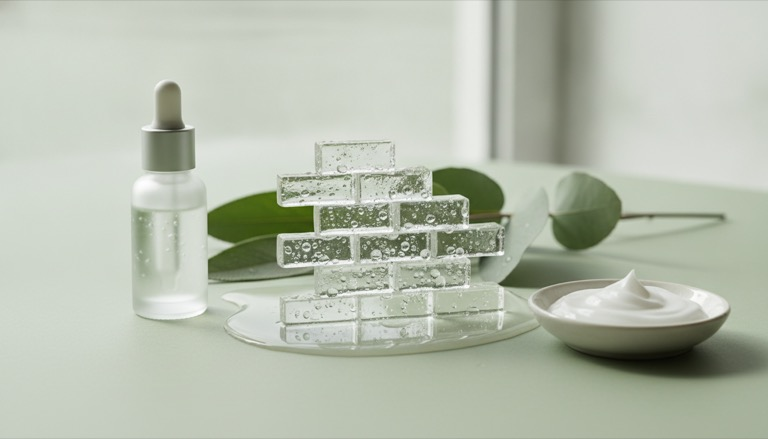
To get the most out of this routine, you need to understand why it works. Think of your skin’s outermost layer (the moisture barrier) as a brick wall. Your skin cells are the bricks, and natural lipids (like ceramides) act as the mortar holding it all together.
When you use harsh scrubs, alcohol-heavy astringents, or overwash your face, you strip away that mortar. The wall cracks. Moisture evaporates out, and bacteria, pollution, and irritants crawl in—leading to redness, flaky patches, and sudden breakouts.
K-beauty is engineered to protect this wall at all costs. It relies on gentle, nutrient-rich, and often fermented ingredients that mimic your skin’s natural biology.
The Ingredients You Actually Want to Look For: Best Korean Skincare
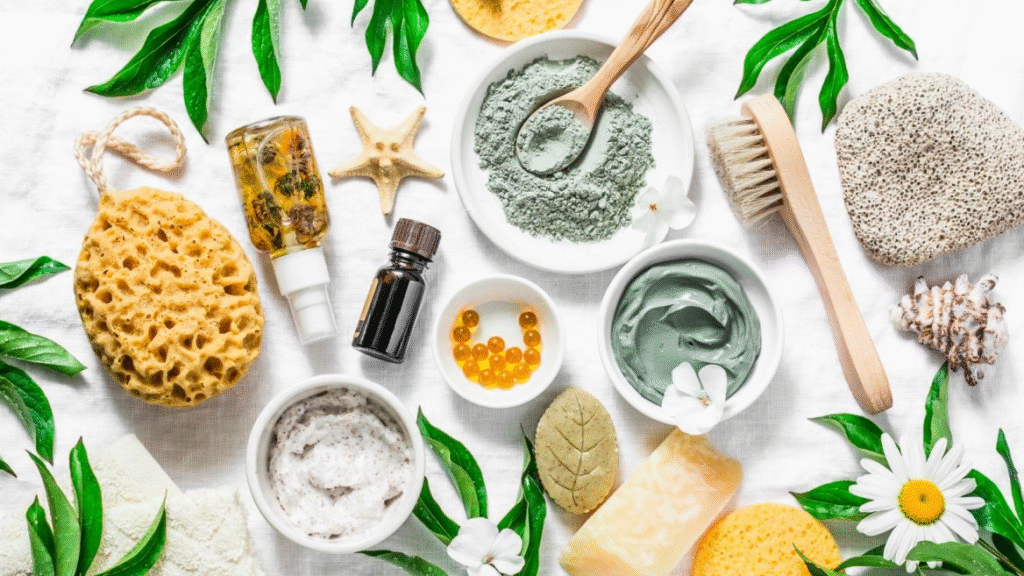
Before you buy anything, flip the bottle over and look for these powerhouse ingredients:
- Centella Asiatica (Cica / Tiger Grass): The ultimate skin-calmer. If your skin is red, irritated, or actively breaking out, Cica steps in to soothe inflammation and repair the barrier rapidly.
- Snail Mucin: Don’t let the name gross you out. Snail secretion filtrate is packed with hyaluronic acid, glycoproteins, and peptides. It’s a holy grail ingredient for deep hydration, fading acne scars, and plumping fine lines.
- Fermented Extracts (Galactomyces / Bifida Ferment): The fermentation process breaks down nutrients into tiny micro-molecules, allowing your skin to drink them up far more deeply. They are incredible for evening out skin tone and texture.
- Ceramides: These are the actual lipids that rebuild your skin’s “mortar.” If your skin feels tight or stings when you apply basic lotion, you need ceramides immediately.
The Realistic Master Routine (Step-by-Step) Best Korean Skincare
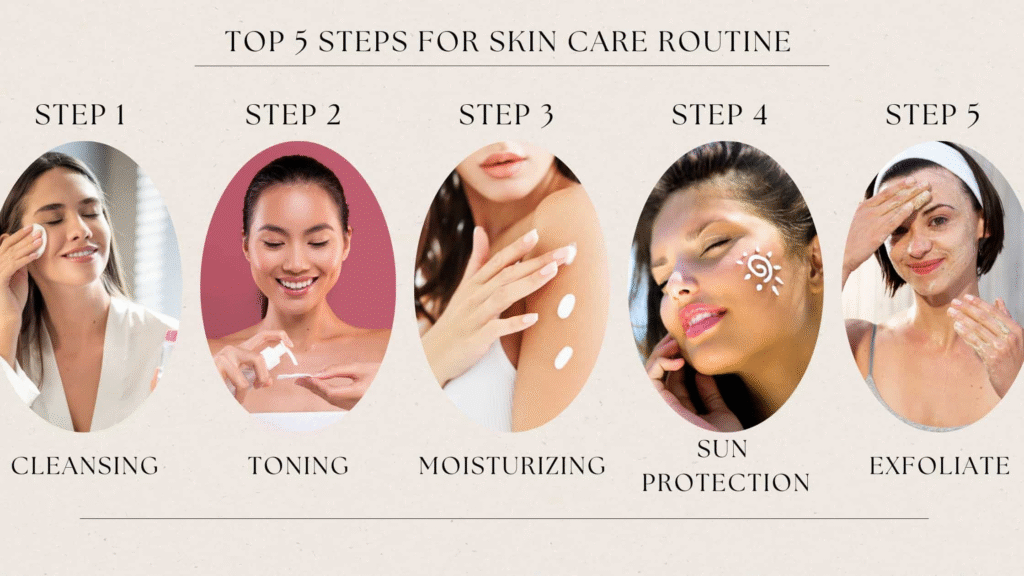
We are going to lay out the full order of operations below. Remember the golden rule of K-beauty layering: always go from thinnest consistency to thickest. Watery products go first to sink deep into the pores, followed by dense creams to seal it all in.
1: The Clean Slate (Evening Only)
You cannot get glowing skin if you are layering pristine serums on top of a day’s worth of trapped sweat, pollution, and stale makeup. Washing your face just once with standard soap doesn’t cut it.
Step 1: The Oil Cleanser
You apply this directly to dry skin with dry hands. Makeup, stubborn daily oil, and water-resistant sunscreens are all oil-soluble, meaning water-based cleansers just slide right over them. Massaging an oil or balm cleanser over your face breaks down all that stubborn debris. When you splash it with warm water, it turns into a milky emulsion and washes clean away without stripping your natural oils.
- Note: If you have oily or acne-prone skin, do not skip this. Using a clean oil cleanser is actually the most effective way to dissolve the hardened oil plugs (blackheads) inside your pores.
Step 2: The Water-Based Cleanser
Immediately follow up with a gentle, hydrating gel or foaming cleanser on your damp skin. This cleans up any lingering residue from the oil cleanse, along with water-soluble dirt and sweat. Make sure to use a low-pH cleanser (around 5.5) so your face doesn’t feel tight or dry after you towel off.
2: Prep and Flood
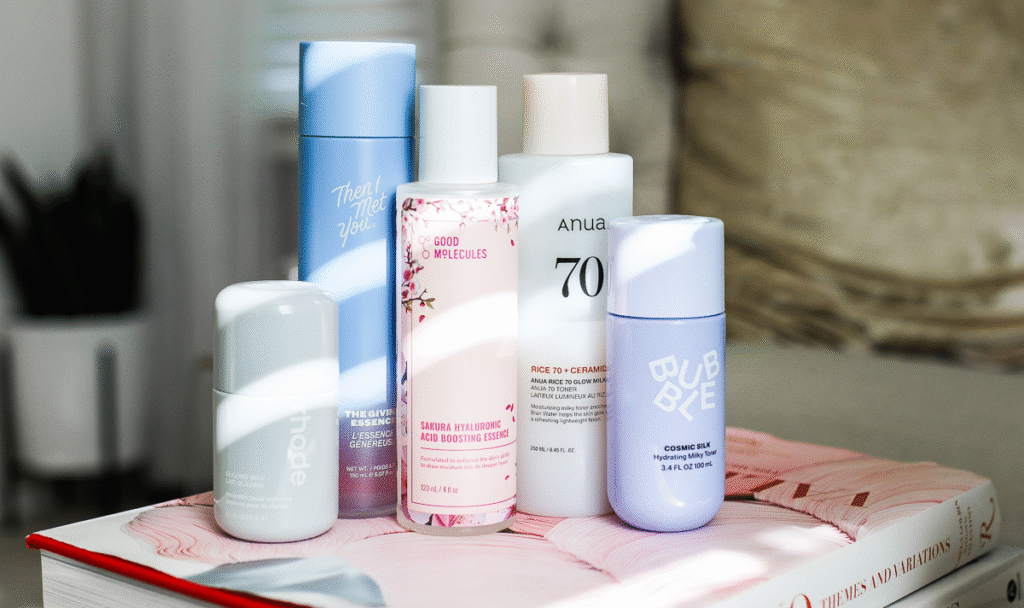
Step 3: Hydrating Toner
Forget the old-school Western toners that sting your face and smell like rubbing alcohol. In the K-beauty world, toners are watery, incredibly soothing tonics designed to flood your skin with its very first layer of hydration.
Think of your skin like a dry kitchen sponge. If you drop a thick liquid onto a bone-dry sponge, it just sits on top. But if the sponge is slightly damp, it sucks it down instantly. A good hydrating toner preps your skin to absorb the rest of your routine.
Step 4: The Essence
Best Korean Skincare If there is one step that defines Korean skincare, it’s the essence. It sits right in the middle ground between a watery toner and a concentrated serum. Packed with fermented yeast extracts and heavy-duty hydrators, its sole job is to kickstart cell turnover and deeply plump the skin cells. Pour a few drops into your palms and pat it directly into your face—don’t waste a drop of it on a cotton pad.
3: Target and Treat
Step 5: Serums or Ampoules
This is where you customize your routine based on whatever is bothering you when you look in the mirror. An ampoule is just a highly concentrated, heavy-hitting version of a serum. Pick one or two targeted treatments—don’t layer five different active ingredients, or your skin will push back.
- For Dark Spots & Dullness: Look for Vitamin C, Rice Extract, or Niacinamide.
- For Flaking & Dehydration: Grab Hyaluronic Acid or Beta-Glucan.
- For Active Acne: Look for gentle BHAs (Salicylic Acid) or Tea Tree oil.
Step 6: Sheet Masks (The 2x a Week Treat)
Best Korean Skincare You do not need to do this every night. Think of a sheet mask as an intensive, hyper-hydrating facial wrapper. The fabric barrier keeps the concentrated essence from evaporating into the air, forcing it deep into your skin over 15–20 minutes. Pro-tip: Never leave it on until it dries out completely, or it will start sucking moisture out of your face. Take it off while it’s still damp and pat the leftover fluid into your skin.
4: Seal and Shield
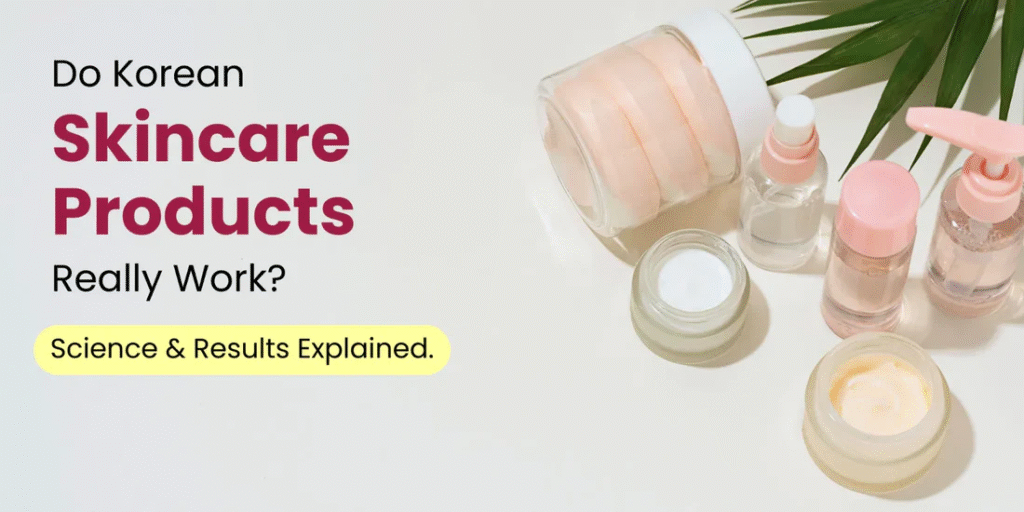
Step 7: Eye Cream
The skin around your eyes is incredibly thin and doesn’t have its own oil glands, making it the very first place to show fine lines and dehydration. Tap a tiny amount around your orbital bone using your ring finger—it naturally applies the lightest pressure so you don’t tug at the skin.
Step 8: Moisturizer
Your moisturizer acts as the ultimate security guard. It creates a physical barrier on top of your skin to lock in all the watery hydration you just applied.
- If you’re oily: Use a lightweight, cooling gel-cream.
- If you’re dry: Go for a rich, pillowy cream packed with fatty acids and ceramides.
Step 9: Sunscreen (The Absolute Non-Negotiable)
If you do steps 1 through 8 but skip sunscreen in the morning, you are completely wasting your time. UV rays account for the vast majority of premature skin aging, uneven dark spots, and loss of collagen. Korean sunscreens are legendary because they feel like elegant, lightweight daily lotions. They rub in completely clear with zero greasy white cast and sit flawlessly under makeup. Apply it every single morning—even if it’s cloudy, and even if you’re just sitting near a window inside.
Tailoring the Routine to Your Daily Life
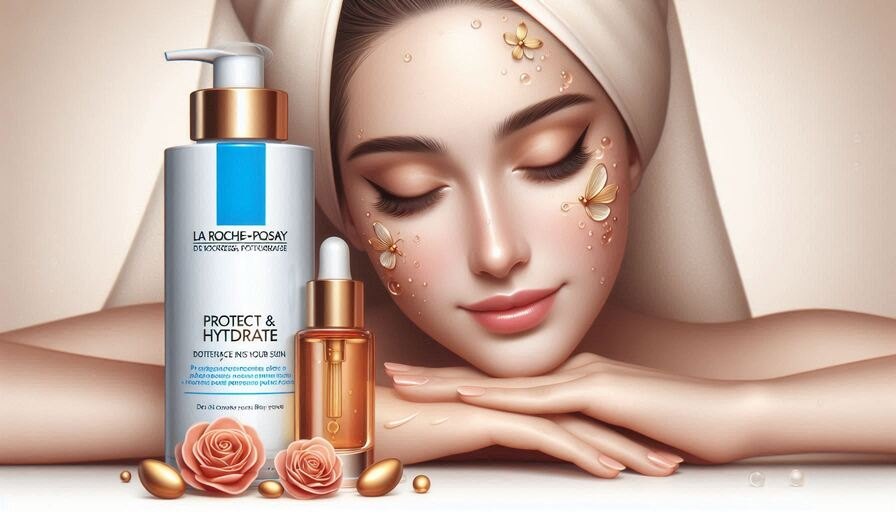
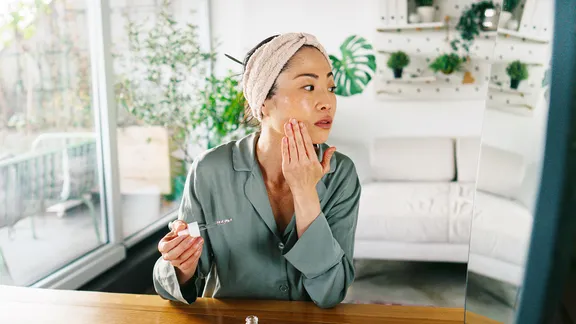
You don’t need to do all of these steps twice a day. Keep your morning simple and protective, and let your nighttime routine do the heavy lifting of repair.
1.Protect & Hydrate:Morning Routine.
Keep it light. Splash with water or a gentle cleanser, pat on your hydrating toner/essence, apply a light moisturizer, and finish with a generous layer of SPF.
2.Deep Clean & Repair:Night Routine.
This is where you reset. Do the double cleanse (oil + water), apply your targeted treatment serums or sheet masks, and lock it all down with a rich moisturizer or night cream.
3 Best Korean Skincare Beginner Mistakes to Avoid
- Buying the Whole Aisle at Once: Do not drop a ton of money on ten brand-new products and slather them all on your face the first night. If your skin breaks out or has an allergic reaction, you will have no idea which bottle caused the problem. Introduce one new product every two weeks.
- Over-Exfoliating: Chemical exfoliants are fantastic, but more is not better. If you use strong acids every single night, you will shred your skin barrier, resulting in burning, extreme tightness, and sudden breakouts. Stick to 2–3 times a week max.
- Chasing an Impossibility: K-beauty is about cultivating the healthiest version of your skin, not achieving a flawless, airbrushed, poreless filter look. Real skin has texture, visible pores, and hormonal breakouts. Focus on how your skin feels—if it feels comfortable, plump, and hydrated, you are winning.
Best Korean Skincare Start with the basics: get a solid double-cleanse duo, a deeply hydrating toner, and a daily sunscreen you actually enjoy wearing. Once you get those down, your skin will tell you exactly what it wants next.
FAQ’S
1.Do I really need to do all 10 steps?
Absolutely not. The 10-step routine is a menu, not a daily mandate. Most days, a core 4-step routine—cleanser, toner, moisturizer, and sunscreen—is all you need for healthy skin.
2.Can I use an oil cleanser if I have oily or acne-prone skin?
Yes, and you should. Basic chemistry dictates that like dissolves like. A gentle cleansing oil breaks down stubborn sebum and blackheads far more effectively than harsh, drying soaps.
3.What is the difference between a toner and an essence?
Traditional Western toners focus on balancing pH or stripping oil. Korean toners focus purely on hydration, while an essence is a slightly more concentrated fluid packed with active, fermented ingredients to boost skin cell renewal.
4.How often should I use a sheet mask?
One to two times a week is the sweet spot. Think of it as an intensive hydration treatment rather than a daily requirement. Always apply your moisturizer immediately afterward to lock in that extra moisture.
5.Why are Korean sunscreens considered better?
The regulatory approval process for UV filters moves much faster in South Korea than in places like the United States. This allows Korean brands to use advanced, lightweight chemical filters that feel exactly like regular lotion, leaving zero white cast or greasy residue.