
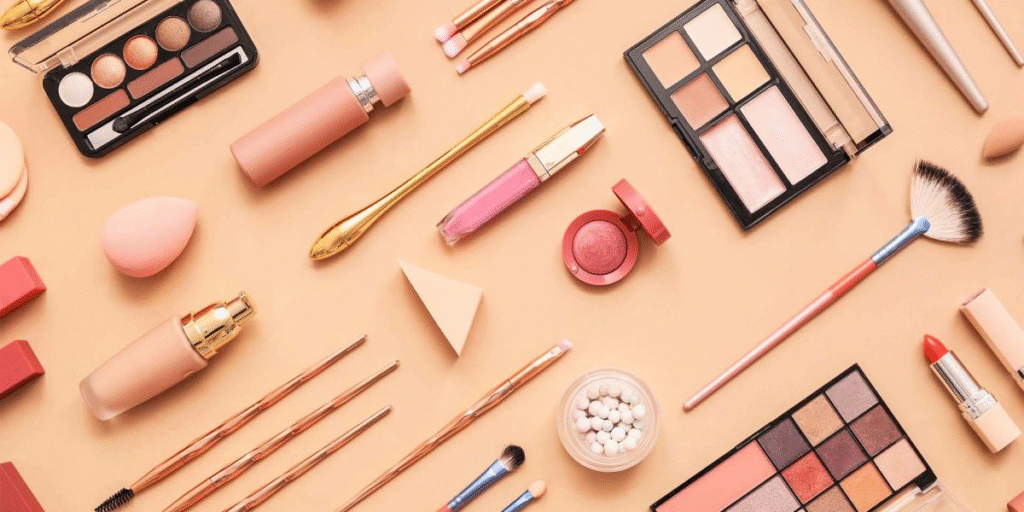
Let’s be entirely honest for a second: walking into Makeup a beauty store or scrolling through social media today feels less like exploring self-care and more like studying for an advanced degree in chemistry. Between influencers insisting you need a 16-step routine, the endless jargon (BB creams, CC creams, baking, color correcting, tightlining), and price tags that rival a monthly grocery bill, starting out with makeup can feel wildly intimidating.
Here is the truth that beauty brands will rarely tell you: you do not need a vanity full of products to look fresh, awake, and put-together.
Real-life, everyday makeup shouldn’t feel like wearing a heavy mask or spending an hour in front of the mirror every morning. It’s about working with your features, hiding the fact that you only got five hours of sleep, and feeling confident enough to walk out the door in under ten minutes.
Whether you’re getting ready for school, work, a casual weekend hang, or just want to level up your daily routine, this guide strips away the online fluff to give you a clear, practical playbook.
The Minimalist Beginner Starter Kit
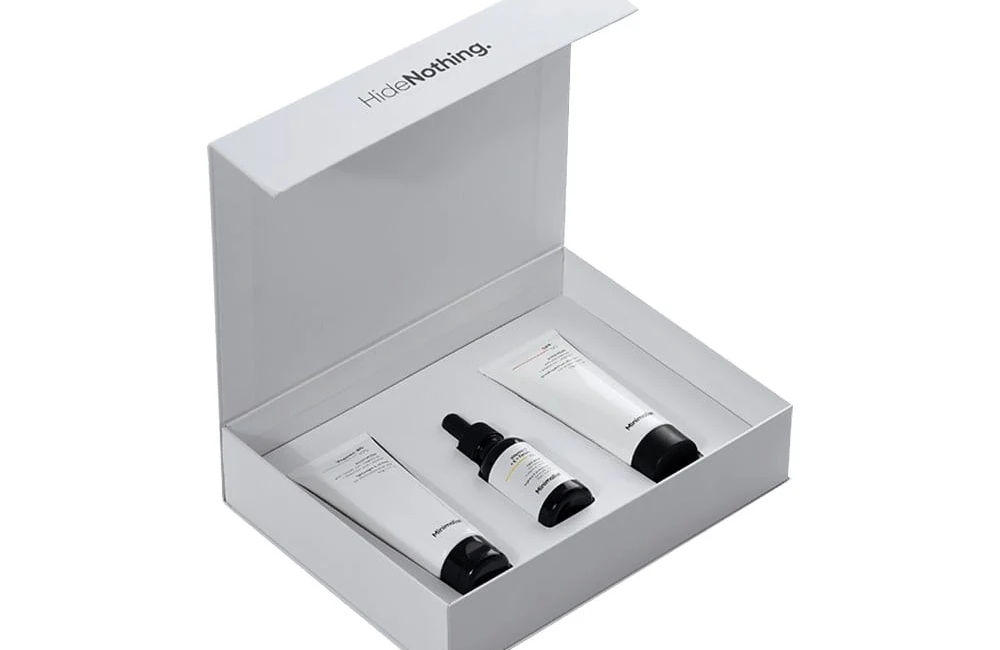
If you were to buy every single product recommended online, you’d end up broke with a drawer full of expired cosmetics. When you’re just starting, the goal is to build a compact kit of versatile, forgiving products that you can apply using just your fingertips or a single damp sponge.
The Only Makeup Products You Actually Need
| Product Category | What to Look For | Why It’s Beginner-Friendly |
| Skin Tint / Tinted Moisturizer | Sheer to light coverage with a dewy or natural finish | Doesn’t cake, blends easily with fingers, and sheer shades mean minor color-match errors won’t show. |
| Creamy Concealer | Medium coverage with a hydrating formula | Spot-treats under-eye dark circles and blemishes without requiring a full face of heavy foundation. |
| Cream or Stick Blush | Multi-use formula (cheeks and lips) | Blends seamlessly into skin without looking chalky; virtually impossible to over-apply. |
| Clear or Tinted Brow Gel | Lightweight, brush-on spoolie formula | Shapes and sets brow hairs in 5 seconds without needing precise pencil shading skills. |
| Tubing or Lengthening Mascara | Washable or tubing formulas (comes off with warm water) | Lifts and opens eyes instantly; tubing formulas prevent midday smudging under the eyes. |
| Tinted Lip Balm or Lip Oil | Sheer, hydrating pigment | Adds natural color and shine without requiring precise lip liners or frequent mirror touch-ups. |
Skin Prep: The Secret Behind Makeup That Looks Like Skin
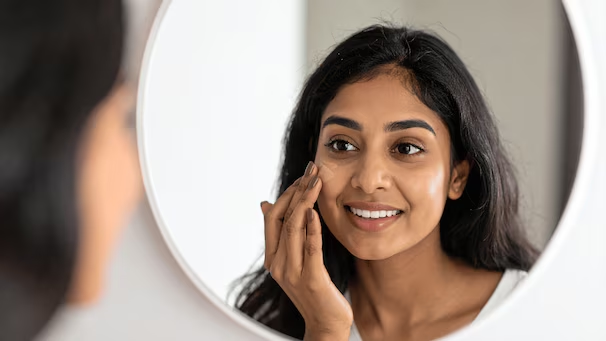
If your makeup ever ends up looking patchy, flaky, or sliding off your face by noon, it is almost never a makeup issue—it is a skincare issue.
Applying foundation over dry, un-hydrated skin is like painting over a dusty wall: the paint won’t stick smoothly, and every single imperfection will be amplified.
The Pre-Makeup Prep Sequence
1.Cleanse Gently:1 Minute.
Wash your face with a mild, non-stripping cleanser. If you wake up with dry skin, washing with plain warm water works just as well to preserve natural oils.
2.Hydrate Thoroughly:2 Minutes.
Apply a lightweight, hydrating moisturizer while your skin is still slightly damp. If your skin is notably dry, give extra attention to the under-eye area and around the nose.
3.Apply Sunscreen (AM Routine):2 Minutes.
Smooth a broad-spectrum SPF 30+ sunscreen over your face and neck. Look for formulas labeled “invisible” or “primer-base” so they don’t leave a white cast or ball up under makeup.
4.The 2-Minute Pause (Crucial!):2 Minutes.
Do not rush straight into makeup. Let your skincare absorb for 120 seconds. If you apply base products immediately over wet moisturizer, the formulas will mix together, break down, and cause pilling (when product rolls off in tiny balls).
The 5-Minute Everyday Makeup Routine
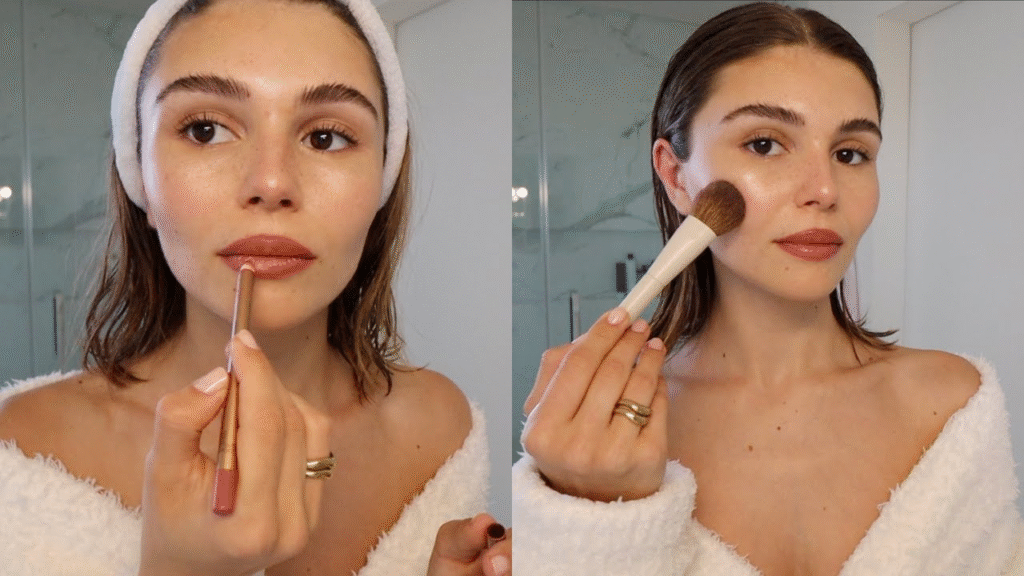
Once your skin is prepped, follow this simple, step-by-step order to create a fresh, glowing look with zero fuss.
Even Out the Makeup Base
Dispense a pea-sized amount of skin tint onto the back of your non-dominant hand. Using clean fingertips or a damp makeup sponge, dot the product onto the center of your face—where redness usually sits (around the nose, chin, and forehead). Blend outward toward your hairline and neck.
Pro Tip: Keep product lighter on the outer edges of your face. This prevents harsh makeup lines along your jawline.
Makeup Brighten and Spot-Conceal
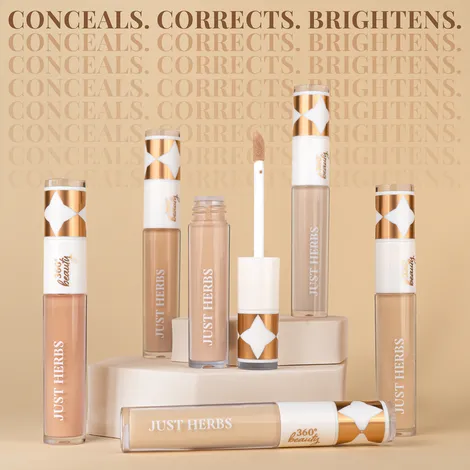
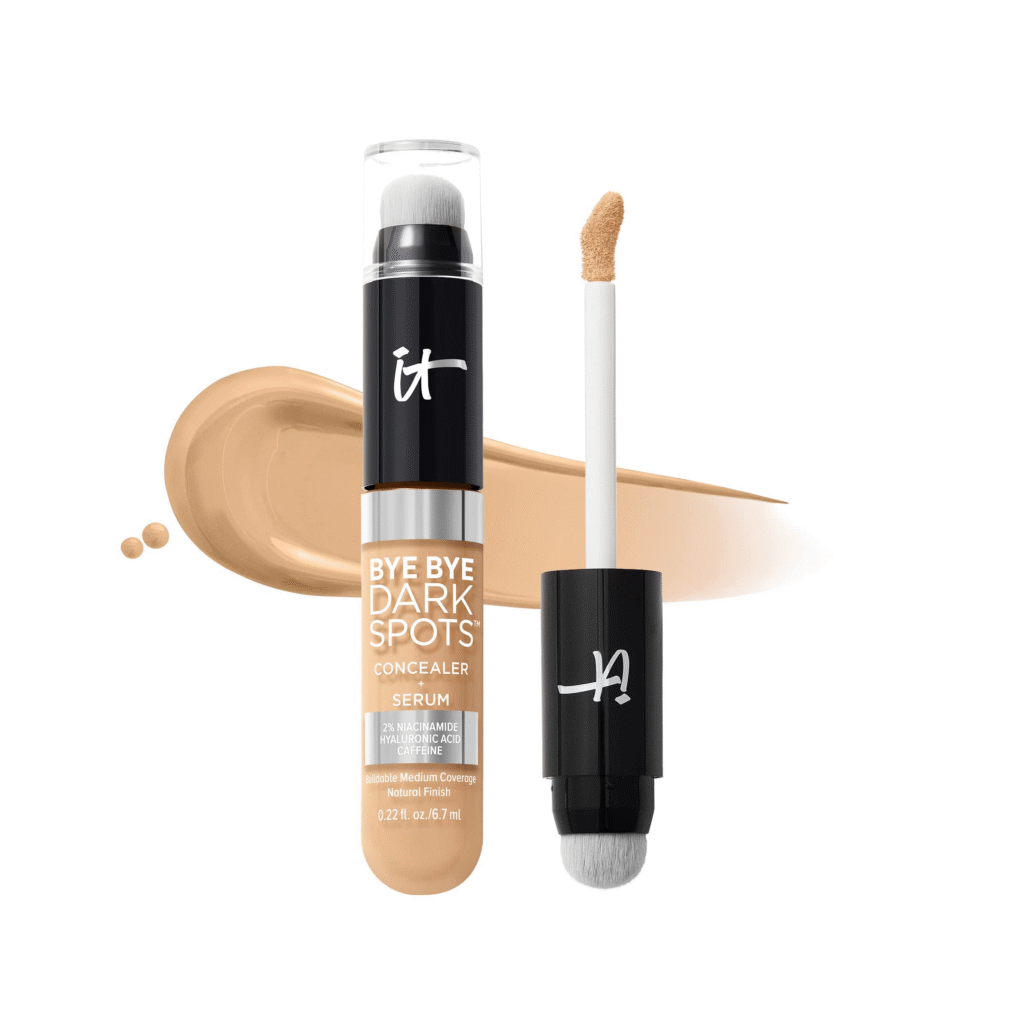
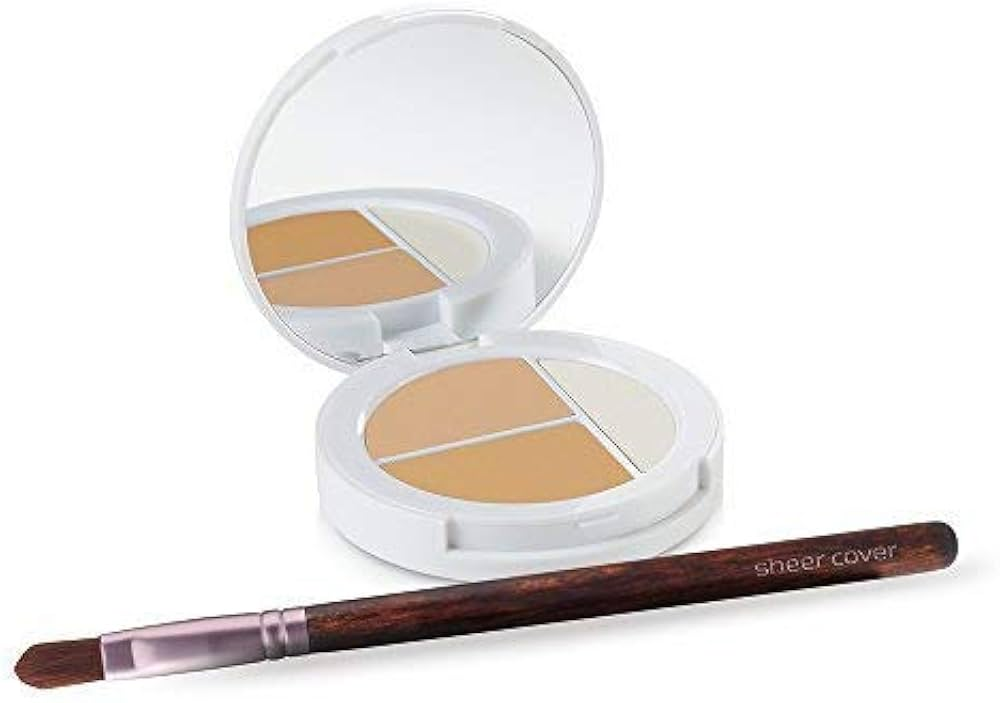
Dab a small dot of concealer on the inner corners of your eyes (where dark shadows concentrate) and directly onto any active blemishes or red spots. Instead of rubbing, tap gently with your ring finger or sponge until the edges melt into your skin tint.
Bring Life to the Cheeks
Dab a cream blush stick directly onto the apples of your cheeks (the fleshy part when you smile lightly), then blend slightly upward toward your temples. This subtle upward angle lifts your features naturally. Take whatever tiny bit of cream blush is left on your finger and tap it onto your lips for a cohesive, effortless monochromatic look.
Frame Your Face with Brows
Eyebrows frame your eyes, but drawing them in with sharp pencils takes serious practice. Instead, use a brow gel. Brush the spoolie upward through your brow hairs to fan them out, then sweep along the top arch to flatten down any stray hairs.
Open Up the Eyes
Gently curl your lashes using an eyelash curler for 5 seconds per side. Place your mascara wand at the absolute base of your upper lashes, wiggle it sideways slightly to coat the roots, and sweep up to the tips. One to two coats is plenty for an everyday look.
Lock and Shine
Finish with a swipe of tinted lip oil or lip balm. If your T-zone (forehead, nose, and chin) tends to get shiny throughout the day, take a fluffy brush and lightly dust a tiny pinch of translucent powder only on those oily areas—leave your cheekbones powder-free to maintain a natural glow.
Troubleshooting Common Beginner Mistakes of Makeup
Even experienced beauty lovers run into makeup mishaps. Here is how to fix the most common beginner frustrations instantly:
“My foundation looks orange or dark once I get outside.”
- Why it happens: You matched your foundation shade under artificial, warm bathroom lights or tested it on your hand (which is usually a different tone than your neck).
- The Quick Fix: Always test shades on your jawline in natural sunlight near a window. Match the color to your neck and collarbone, not your face, so your head and body look cohesive.
“My under-eye area looks dry, cakey, and creased.”
- Why it happens: You applied too much heavy concealer or set it with too much dry powder.
- The Quick Fix: Take a single drop of face oil or eye cream on your fingertip and gently press it over the dry under-eye area. The moisture will instantly dissolve the powdery texture and restore a smooth finish.
“Mascara keeps smudging onto my upper eyelids.”
- Why it happens: Your eyelids naturally produce oils throughout the day, which melt traditional wax-based mascaras.
- The Quick Fix: Dust a tiny veil of translucent powder onto your eyelids before applying mascara, or switch to a tubing mascara formula, which resists oil and comes off only with warm water pressure.
The Ultimate Takeaway
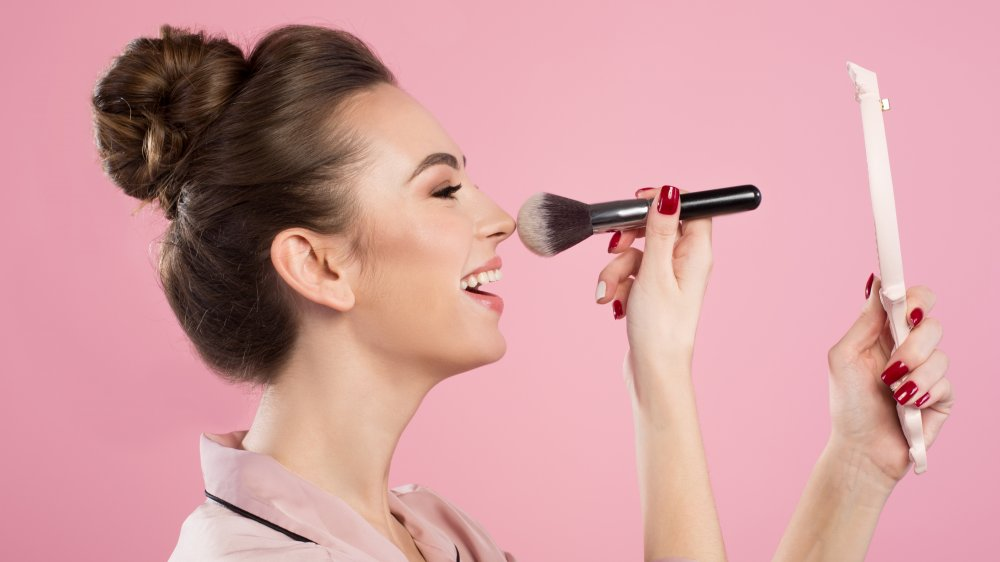
Makeup is not a test with strict rules, nor is it a requirement. It is simply a tool in your routine that should serve you, boost your mood, and take minutes—not hours—out of your morning. Start with a few lightweight formulas, rely on your fingers to blend, and don’t worry about absolute perfection.
Conclusion
Makeup should feel like a creative skill, not a stressful test. The best beginner-friendly makeup routines are simple, repeatable, and easy to adapt to your own style. You do not need a huge collection or advanced techniques to look polished and confident. You only need a few thoughtful products, a clean base, and the willingness to practice.
As a beginner, your goal is to learn what makes you feel comfortable and beautiful. Over time, you may discover new shades, tools, and techniques that you love. But the foundation of a good makeup routine will always be the same: start simple, blend well, and choose products that work with your skin instead of against it.
With the right products, tips, and techniques, everyday makeup can become one of the easiest and most enjoyable parts of your routine.
FAQs
1.What makeup products should beginners buy first?
Beginners should start with foundation or skin tint, concealer, blush, mascara, a brow product, and a lip balm or lipstick. These essentials are enough to create a full everyday look.
2.Is makeup hard to learn for beginners?
Not really. Makeup becomes much easier once you learn the basics and practice a simple routine. Starting with fewer products helps build confidence.
3.What is the most important makeup skill for beginners?
Blending is one of the most important skills. It helps makeup look natural and polished instead of heavy or uneven.
4.How can I make my makeup look natural?
Use light layers, choose shades close to your skin tone, and keep the overall look soft and balanced.
5.Do I need expensive products to start doing makeup?
No. Many affordable products work very well for beginners. The best choice is usually the one that fits your skin type, budget, and daily routine.