Shopping for kids and babies can get expensive quickly. Kids & Baby Deals Clothes are outgrown, toys seem to multiply overnight, and everyday essentials need to be replaced more often than you might expect. The good news? You don’t have to spend a fortune to find useful, comfortable, and age-appropriate products.
The smartest approach is to focus on value, durability, versatility, and genuine discounts rather than simply choosing the lowest price.
From baby clothing and nursery essentials to toys, school supplies, feeding products, and outdoor gear, this guide explores the best ways to find affordable kids and baby deals while making every purchase count.
Why Smart Shopping Matters for Growing Kids & Baby Deals Families
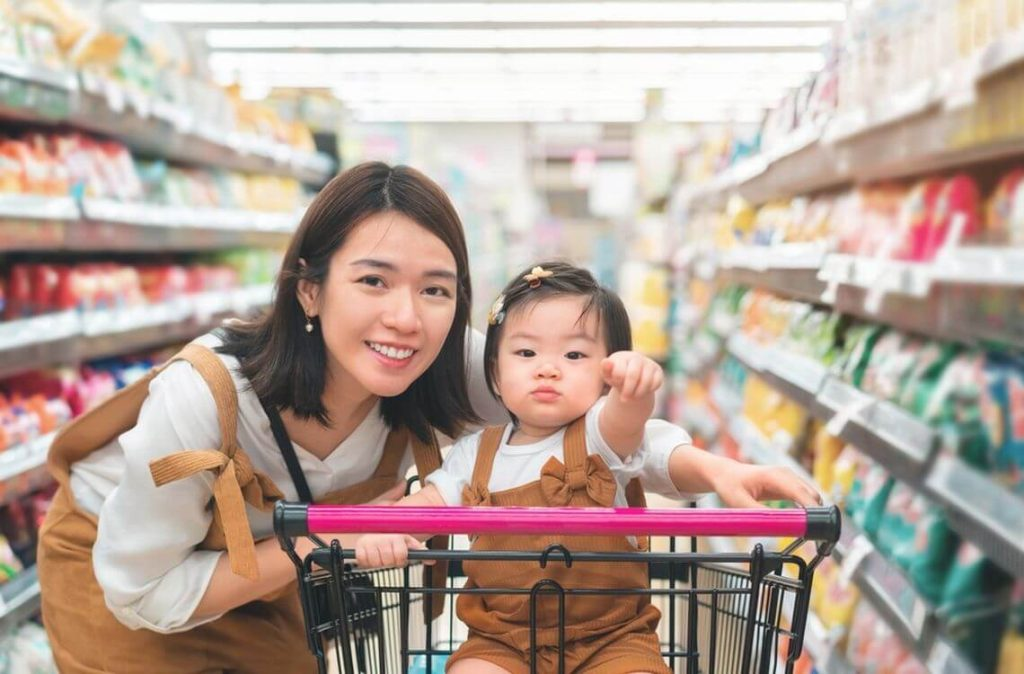
Kids & Baby Deals Children grow quickly, which makes buying everything at full price a poor strategy for many families.
A smarter approach is to look for products that:
- Offer good everyday value
- Can be used for longer
- Are easy to clean
- Can be reused or passed down
- Have practical features
- Are appropriate for your child’s age
- Come with reliable warranties or return policies when relevant
The goal isn’t to buy more.
It’s to buy better and spend intentionally.
1. Kids & Baby Deals Clothing Deals
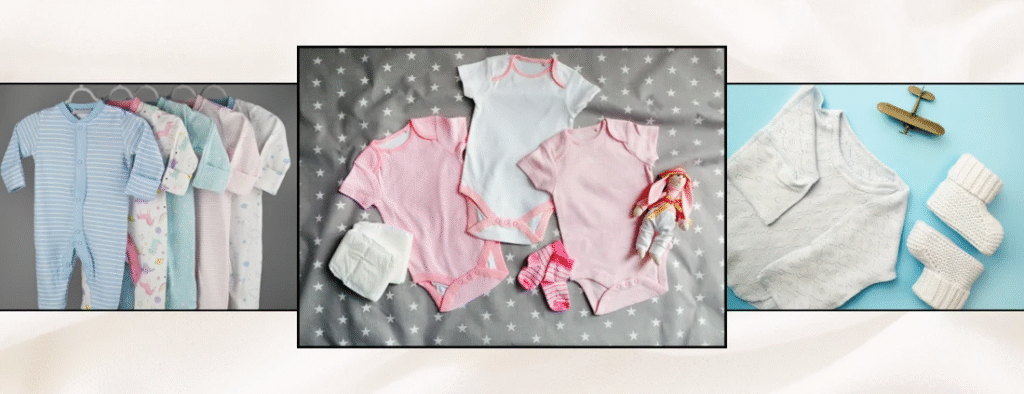
Baby clothes are among the easiest categories to overspend on because babies can outgrow sizes surprisingly quickly.
When shopping for deals, prioritize practical pieces such as:
- Cotton bodysuits
- Sleepsuits
- Rompers
- Soft leggings
- Comfortable tops
- Seasonal layers
- Socks and accessories
- Multi-piece clothing sets
Shop by Size, Not Just Style
A cute outfit may look tempting, but practical basics usually provide better value.
Look for multipacks and choose sizes based on what your baby is likely to need next rather than buying too many pieces in the current size.
Smart tip: Avoid stocking up heavily on one size. Babies grow at different rates, and today’s perfect fit may become tomorrow’s too-small outfit.
2. Affordable Kids & Baby Deals Baby Gear
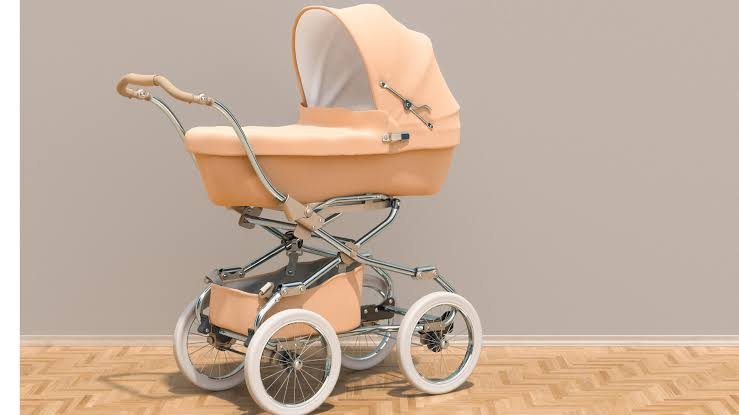
Baby gear can represent a major portion of a family’s shopping budget.
Depending on your needs, useful categories include:
- Strollers
- Baby carriers
- High chairs
- Changing mats
- Diaper organizers
- Portable travel products
- Baby monitors
- Nursery storage
Before buying, consider how frequently you’ll actually use the product.
A feature-packed product isn’t necessarily the best deal if most of its features remain unused.
Look for Versatility
Products that serve multiple purposes can offer excellent value.
For example, a storage solution that works in the nursery today and a child’s bedroom later may be more useful than something designed for only one stage.
3. Toy Kids & Baby Deals That Offer More Than Entertainment
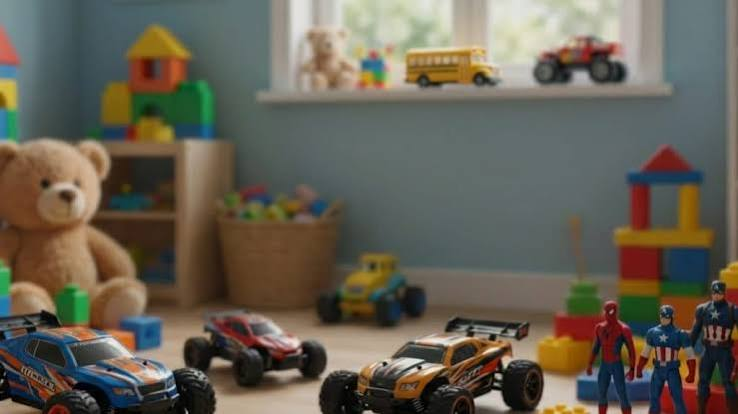
Toys don’t have to be expensive to be valuable.
Some of the best purchases encourage children to:
- Build
- Create
- Imagine
- Solve problems
- Explore
- Practice coordination
- Play independently
Consider looking for deals on:
- Building sets
- Puzzles
- Art supplies
- Pretend-play toys
- Books
- Outdoor toys
- Educational games
Choose Toys That Grow With Your Child
A toy with multiple ways to play can provide better long-term value than one designed for a very narrow age range.
Before purchasing, check the manufacturer’s recommended age range and safety information.
4. Nursery Essentials on a Budget Kids & Baby Deals
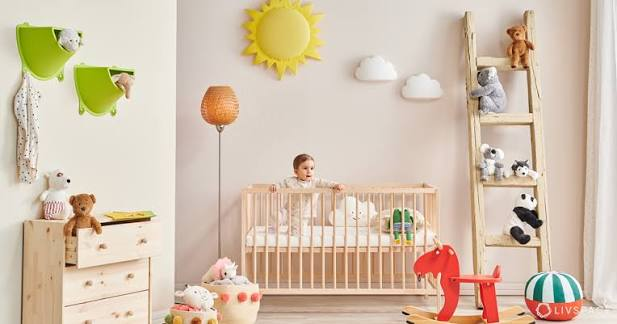
Creating a comfortable nursery doesn’t require buying every trendy product.
Focus first on essentials such as:
- Comfortable sleeping arrangements
- Storage
- Changing supplies
- Basic lighting
- Washable bedding
- Clothing organization
- Laundry solutions
Keep Nursery Decor Simple
Decorative items can be fun, but babies don’t need an elaborate room.
A simple, organized space can be easier to maintain and may also make it easier to adapt the room as your child grows.
5. Feeding Essentials Kids & Baby Deals
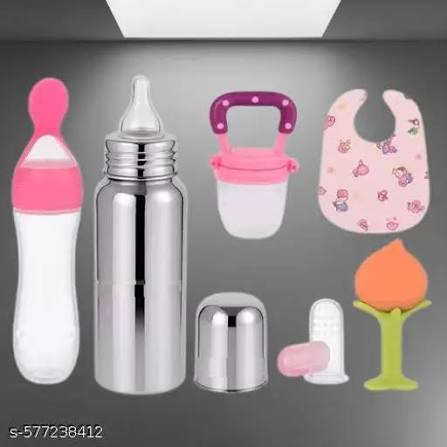
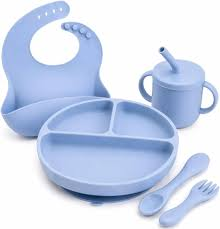
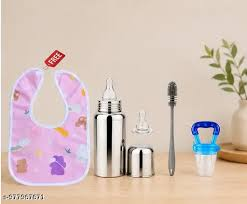
Feeding products are another area where small purchases can quickly add up.
Depending on your family’s needs, look for deals on:
- Baby bottles
- Bibs
- Feeding spoons
- Bowls
- Cups
- Food-storage containers
- High chairs
- Cleaning accessories
Instead of buying a huge collection immediately, start with a few essentials and add more as you understand what works for your routine.
6. Kids’ Shoes & Clothing Deals
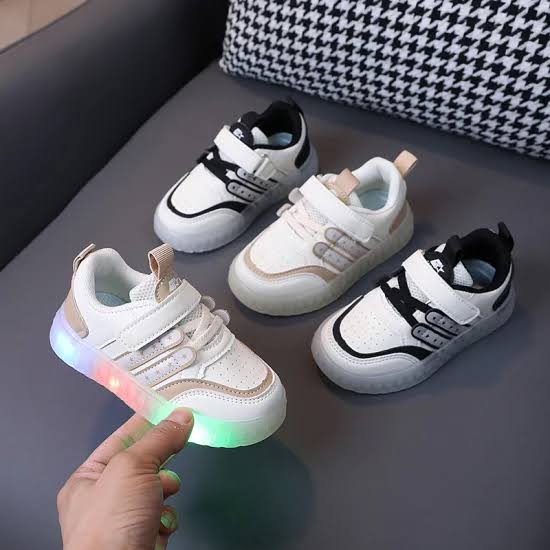
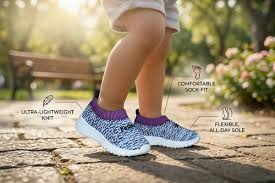
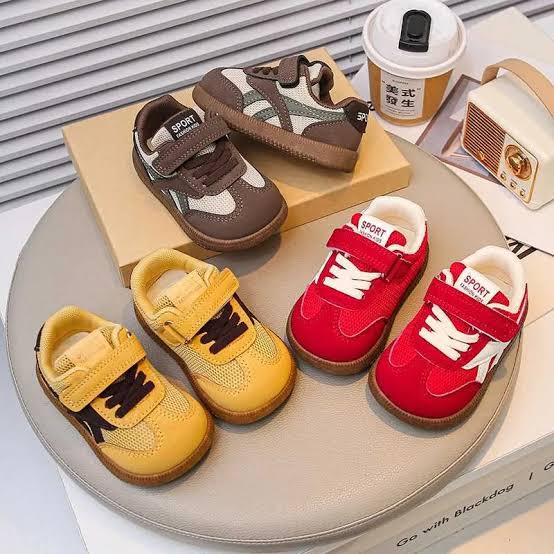
Children’s clothing and footwear can be expensive because growing feet and bodies often mean frequent replacements.
When shopping for deals, focus on:
Comfort first.
Look for:
- Flexible materials
- Appropriate sizing
- Comfortable soles
- Easy closures
- Breathable fabrics
- Weather-appropriate designs
For shoes, don’t buy several pairs simply because they’re heavily discounted if your child won’t realistically use them before outgrowing them.
7. Back-to-School Deals
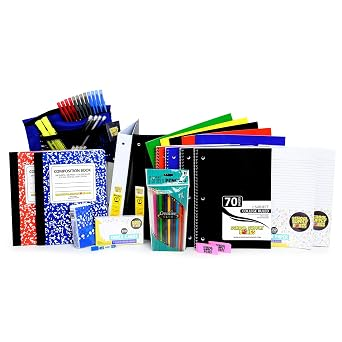
Back-to-school shopping can become expensive when every item is purchased separately.
Create a checklist before shopping.
Depending on your child’s age and school requirements, this might include:
- Backpacks
- Lunch bags
- Water bottles
- Notebooks
- Pens and pencils
- Art supplies
- Folders
- School clothing
- Sports equipment
Buy Based on the School List
Avoid purchasing unnecessary supplies simply because they’re discounted.
A good deal is only a good deal when you actually need the product.
8. Kids’ Bedroom & Storage Deals
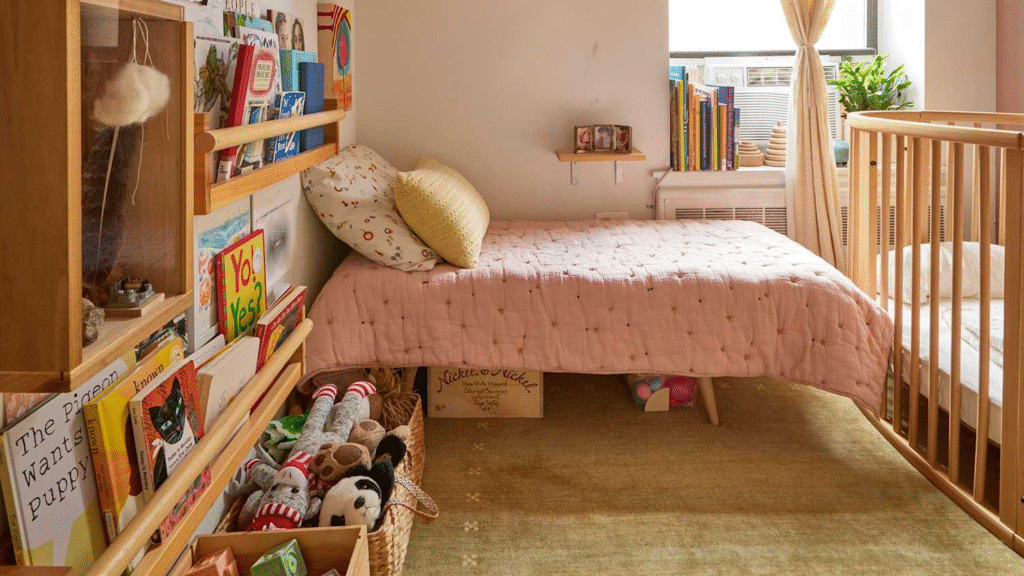
As children grow, their storage needs change.
Affordable organization products can make bedrooms, playrooms, and study areas easier to manage.
Consider:
- Storage bins
- Bookshelves
- Toy organizers
- Closet organizers
- Under-bed storage
- Desk organizers
- Laundry baskets
Choose Flexible Storage
Neutral, simple storage often works longer than highly themed products.
A storage box that works for toys today can hold books, crafts, or school supplies later.
9. Outdoor & Activity Deals
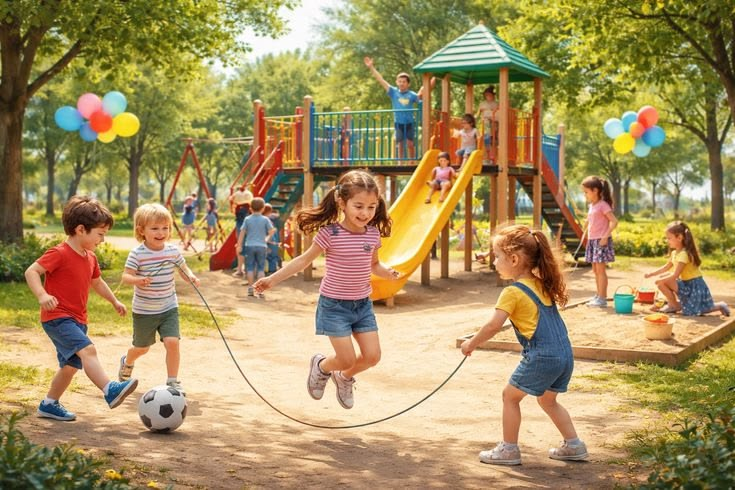
Getting children outside doesn’t have to mean spending heavily on expensive equipment.
Depending on age and space, consider:
- Scooters
- Balls
- Outdoor games
- Bicycles
- Helmets
- Gardening kits
- Picnic accessories
- Sports equipment
Safety should always come before price.
For products such as helmets and protective equipment, choose appropriate, properly fitting products from reputable manufacturers rather than simply choosing the cheapest option.
10. Travel Essentials for Families
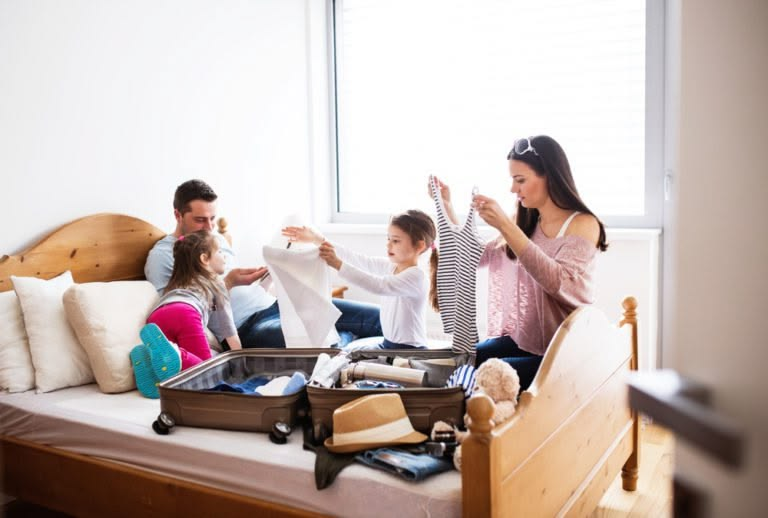
Family travel can involve a surprising number of small purchases.
Useful categories include:
- Travel organizers
- Portable changing products
- Kids’ backpacks
- Travel bottles
- Snack containers
- Car organizers
- Activity kits
- Travel pillows
Look for products that are compact, washable, durable, and easy to carry.
The best family travel products often solve a specific problem rather than simply adding another item to your luggage.
How to Find the Best Kids & Baby Deals
Finding a low price is easy.
Finding real value takes a little more research.
Compare Prices
Don’t assume the first discount you see is the best price.
Compare the product across several reputable retailers and check whether the listed discount is based on a genuine previous price.
Check the Final Cost
A product may look inexpensive until you add:
- Delivery charges
- Accessories
- Batteries
- Replacement parts
- Installation costs
- Membership fees
Consider the total cost before purchasing.
Look for Multipacks
Multipacks can be particularly useful for everyday consumables and basics.
However, don’t buy large quantities of products your child may quickly outgrow.
Watch Seasonal Sales
Certain categories tend to become more attractive during seasonal promotions.
Examples include:
- Children’s clothing during end-of-season sales
- School supplies before the academic year
- Toys during major holiday promotions
- Outdoor products during seasonal clearance
- Nursery items during retailer-wide events
Read Reviews Carefully
Reviews can help identify recurring issues with:
- Durability
- Sizing
- Cleaning
- Comfort
- Assembly
- Product quality
Look for patterns across many reviews rather than relying on one extremely positive or negative comment.
Don’t Confuse Cheap With Good Value
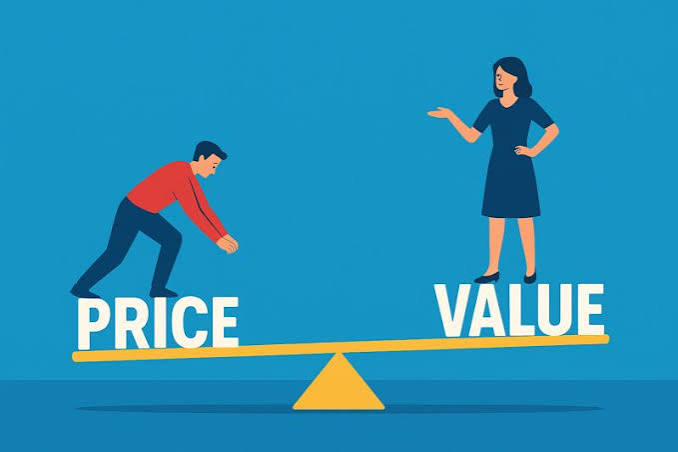
One of the biggest mistakes when shopping for children is focusing entirely on the lowest price.
A cheaper product isn’t always the better deal if it breaks quickly, is uncomfortable, or needs to be replaced immediately.
A slightly more expensive item may offer better value if it:
- Lasts longer
- Can be reused
- Is easier to maintain
- Has better construction
- Offers useful versatility
- Comes with stronger customer support
Think about cost per use, not just the checkout price.
Secondhand Shopping Can Stretch Your Budget
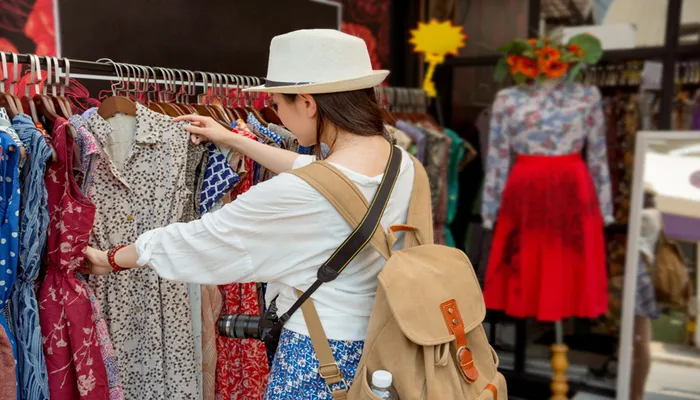
Secondhand shopping can be an excellent way to reduce spending on certain children’s products because kids often outgrow clothing and some equipment before it sees much use.
Potential secondhand categories include:
- Children’s clothing
- Books
- Toys
- Some furniture
- Storage products
However, use extra caution with safety-critical products.
For items such as car seats, helmets, cribs, and other safety equipment, check current safety standards, product condition, recall information, and manufacturer guidance before considering secondhand purchases. When the history or condition is uncertain, replacing the item may be the safer choice.
Smart Shopping by Age
What makes sense for a newborn isn’t necessarily useful for a preschooler or school-age child.
Newborns & Infants
Focus on:
- Basic clothing
- Feeding essentials
- Safe sleep products
- Diapering supplies
- Practical nursery storage
Toddlers
Look for:
- Washable clothing
- Learning toys
- Books
- Child-friendly tableware
- Outdoor play products
- Organization solutions
Preschoolers
Consider:
- Creative activity supplies
- Educational games
- Pretend-play toys
- Comfortable clothing
- Outdoor equipment
- Travel accessories
School-Age Kids
Prioritize:
- School supplies
- Backpacks
- Sports equipment
- Study accessories
- Clothing
- Hobby-related products
Buying according to your child’s current stage can prevent unnecessary spending.
A Simple Kids & Baby Deal Checklist
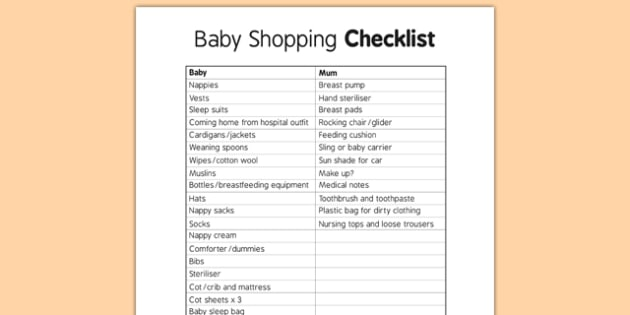
Before clicking Buy, ask yourself:
Do We Need It?
A discount doesn’t make an unnecessary product useful.
Will We Use It Often?
Frequent use can justify spending more on quality.
Will It Last?
Consider durability and construction.
Is It the Right Size?
Especially important for clothing, shoes, furniture, and safety products.
Is It Safe?
Check age recommendations, safety information, recalls, and manufacturer guidance where applicable.
Can We Find It for Less?
Compare prices before purchasing.
What Is the Return Policy?
Children’s products can have unexpected sizing or usability issues, so a clear return policy can be valuable.
How to Build a Family Shopping Budget
A simple budget can prevent deal hunting from turning into unnecessary spending.
Divide your shopping into three categories:
Must-Haves
Products your family genuinely needs.
Useful Upgrades
Items that solve a recurring problem or improve convenience.
Nice-to-Haves
Products that are fun but aren’t essential.
Start with the must-haves.
If money remains in the budget, consider the useful upgrades before spending on extras.
Trending Kids & Baby Shopping Ideas
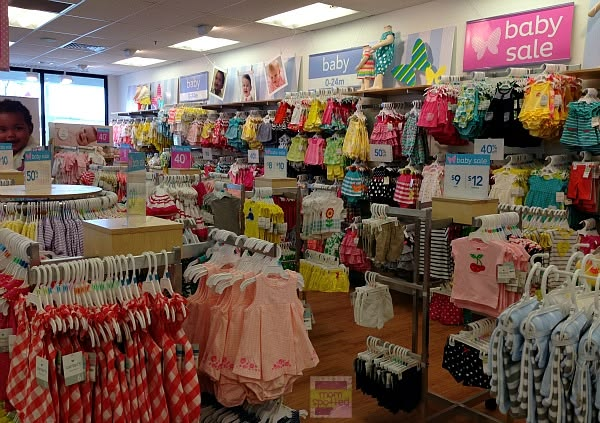
Modern families are increasingly interested in products that combine practicality with better value.
Some popular shopping themes include:
- Multi-use baby products
- Minimalist nursery essentials
- Reusable everyday items
- Educational toys
- Screen-free activities
- Sustainable children’s clothing
- Space-saving storage
- Travel-friendly products
- Personalized kids’ accessories
- Smart organization solutions
The strongest trend isn’t simply buying more products.
It’s choosing fewer, more useful items that fit everyday family life.
Frequently Asked Questions
1. What are the best Kids & Baby Deals to look for?
Some of the most useful deals include children’s clothing, baby essentials, toys, school supplies, storage products, feeding accessories, and seasonal gear. Focus on items your family will actually use.
2. How can parents save money when shopping for baby products?
Compare prices, shop seasonal sales, consider multipacks for frequently used items, prioritize versatile products, and avoid buying large quantities of things babies may quickly outgrow.
3. Are kids’ clothing multipacks worth buying?
They can be, especially for everyday basics that children use frequently. However, avoid purchasing too many pieces in one size because children can outgrow clothing quickly.
4. Is buying secondhand baby and kids’ products a good way to save?
Secondhand clothing, books, toys, and some furniture can offer significant savings. For safety-critical products, however, carefully consider condition, history, recalls, and current safety recommendations.
5. How do I know if a kids’ deal is actually worth it?
Compare the final price with other retailers, check product quality and reviews, consider cost per use, and make sure the product is something your family genuinely needs. A discount isn’t a saving if you wouldn’t have bought the item otherwise.