
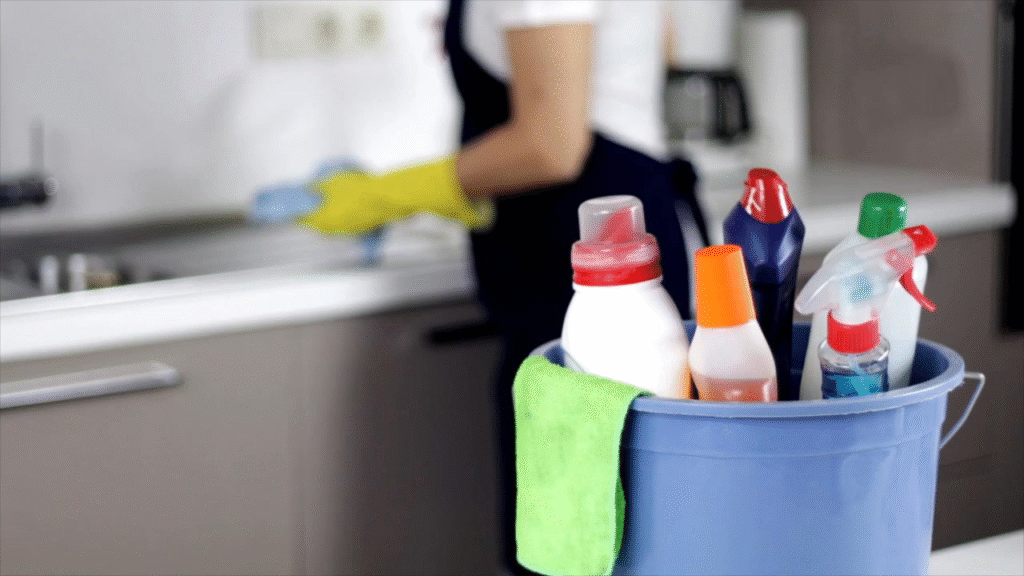
A clean home feels more comfortable, welcoming, and easier to enjoy. But keeping every room tidy can become a challenge when you are balancing work, family responsibilities, cooking, and other daily tasks. Natural Home From greasy kitchen counters to dusty shelves and bathroom water stains, small messes have a way of appearing just when you have finished cleaning.
The good news is that you can handle many everyday household messes with simple cleaning ingredients, reusable cloths, and a few practical habits. You do not have to fill your cupboards with dozens of specialized products to keep your home looking fresh.
Natural home cleaning can be a useful approach when you choose ingredients carefully and understand where they work best. Baking soda can help with certain odors and light scrubbing, while diluted vinegar can loosen some mineral deposits on suitable surfaces. Ordinary dish soap and water remain excellent choices for removing everyday grease and dirt.
In this guide, you will discover practical natural home cleaning tips for kitchens, bathrooms, living rooms, bedrooms, and other frequently used spaces, along with important precautions for keeping your household cleaning routine safe.
Why Choose Natural Home Cleaning Methods?
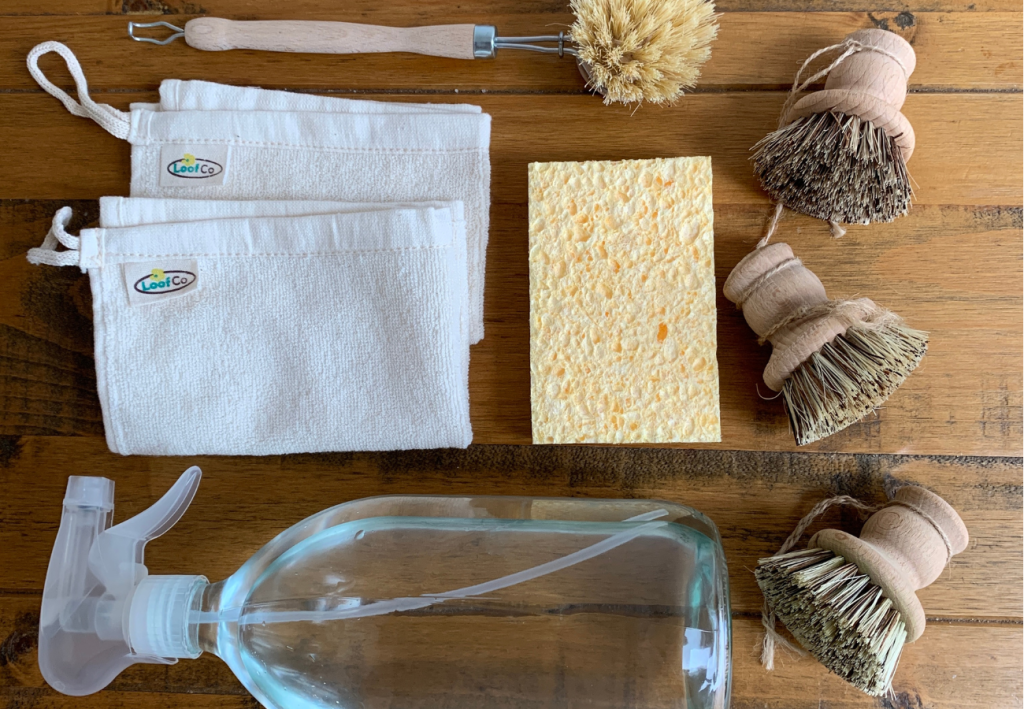
Many households prefer simple cleaning methods because they can reduce clutter under the sink, make everyday cleaning more manageable, and limit unnecessary product purchases.
Here are some benefits of a thoughtful natural cleaning routine.
- Simple ingredients: Common household supplies can handle many everyday cleaning tasks.
- Less product clutter: A small collection of suitable cleaning supplies may replace several overlapping products.
- Budget-conscious cleaning: Using the right amount of a product can help reduce waste and unnecessary spending.
- Reusable cleaning materials: Washable microfiber cloths and cotton cleaning cloths can reduce dependence on disposable wipes.
- A more manageable routine: Cleaning small messes as they happen can prevent dirt and grease from building up.
However, natural does not automatically mean harmless or effective against every type of germ. Some household ingredients can damage surfaces, and homemade mixtures are not necessarily disinfectants. Choose the method according to the mess, the surface, and the level of cleaning required.
Essential Natural Cleaning Supplies for Your Home
Before you begin, gather a few basic supplies. Store them in clearly labeled containers and keep them away from children and pets.
| Cleaning Supply | Best Use | Important Precaution |
|---|---|---|
| Baking soda | Light scrubbing and some odor control | Test first on delicate or easily scratched surfaces |
| White vinegar | Some mineral deposits on acid-safe surfaces | Avoid marble, limestone, and other acid-sensitive stone |
| Mild dish soap | Grease, food residue, and everyday dirt | Rinse surfaces where soap residue matters |
| Warm water | Everyday cleaning and rinsing | Follow the surface manufacturer’s instructions |
| Microfiber cloths | Dusting and wiping hard surfaces | Wash regularly and avoid fabric softener if it reduces absorbency |
| Soft cleaning brush | Grout, corners, and textured surfaces | Use a brush appropriate for the material |
| Reusable mop | Routine floor cleaning | Match the cleaning method to the flooring type |
You may already have several of these supplies at home. Start with what you have and add items only when they solve a specific cleaning problem.
1. Keep Kitchen Counters Clean With Mild Soap and Water
Kitchen counters collect food crumbs, cooking splashes, oil, and sticky marks throughout the day. Natural Home A quick wipe after preparing meals makes these messes easier to manage.
How to clean kitchen counters:
- Remove crumbs and loose food particles.
- Add a small amount of mild dish soap to warm water.
- Dampen a clean cloth and wipe the surface.
- Use a separate cloth with clean water to remove any soap residue.
- Dry the counter with a clean towel if the material requires it.
For food preparation areas, follow the manufacturer’s cleaning instructions and use an appropriate food-contact surface sanitizer or disinfectant when needed.
Helpful tip: Wipe up spills promptly, especially oily sauces, coffee, and acidic foods. Natural Home Some materials can stain or become damaged if spills remain on the surface.
Avoid using vinegar on natural stone counters such as marble and limestone. Its acidity can dull or damage the finish.
2. Remove Grease From Stovetops and Kitchen Appliances

Cooking oil can leave a thin, sticky film on stovetops, cabinet handles, and appliance exteriors. Regular cleaning prevents this residue from becoming harder to remove.
For routine grease removal, mild dish soap and warm water are often sufficient.
Try this simple method:
- Allow the stovetop to cool completely.
- Remove loose crumbs with a soft cloth.
- Wipe greasy areas using a cloth dampened with soapy water.
- Use a soft brush or cloth for corners and around removable components, following the appliance instructions.
- Wipe away soap residue and dry the surface.
For stubborn, dried-on residue, let a warm, damp cloth rest on the affected area for a few minutes before wiping again. Never soak electrical controls or allow water to enter appliance openings.
Baking soda may help with some stubborn marks on compatible surfaces, but it can scratch polished finishes.Natural Home Check the appliance manufacturer’s guidance before using abrasive materials.
3. Freshen Your Refrigerator Naturally
Refrigerators can develop unpleasant odors when forgotten leftovers, spilled liquids, or uncovered foods remain inside.
Start by removing the source of the smell rather than trying to cover it with fragrance.
Follow these steps:
- Check stored food and discard anything spoiled.
- Remove detachable shelves and drawers if the manufacturer permits it.
- Wash removable parts with mild dish soap and warm water.
- Wipe the interior with a clean, damp cloth.
- Dry everything thoroughly before replacing the shelves and food.
An open container of baking soda may help absorb some refrigerator odors. Replace it according to the product instructions, and keep it away from food spills.
Keep raw foods stored securely and separate them from ready-to-eat items.Natural Home If a spill involves raw meat or other potentially contaminated food, clean and sanitize the affected area using an appropriate product and its label directions.
4. Clean Bathroom Sinks and Faucets
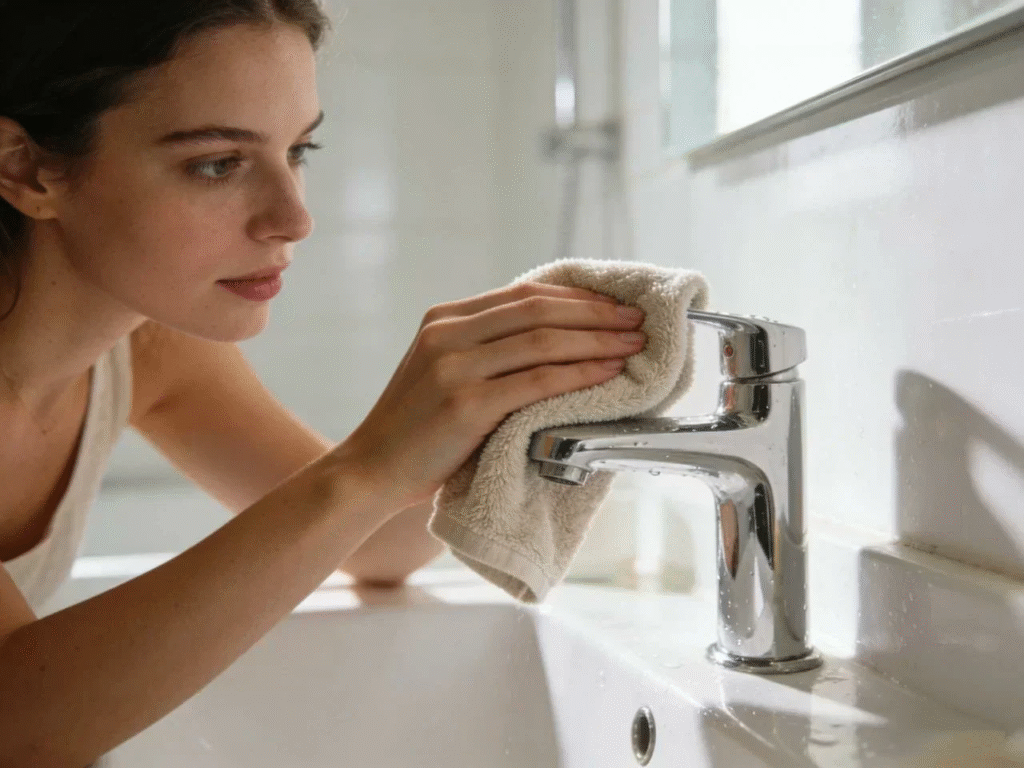
Soap residue, toothpaste, and water spots can make bathroom fixtures look dull even when the room is otherwise clean.
Natural Home For routine cleaning, use mild soap, warm water, and a soft cloth.
A simple bathroom sink routine:
- Remove loose hair and debris.
- Wipe the basin with a soapy cloth.
- Use a soft brush around the drain and faucet base.
- Rinse away the residue.
- Dry the faucet with a clean microfiber cloth to reduce water spots.
Diluted white vinegar can help loosen certain mineral deposits on acid-safe materials. However, it is unsuitable for many natural stone surfaces and may damage some metal finishes, protective coatings, and grout. Check the manufacturer’s instructions before applying it.
For persistent limescale, choose a product specifically approved for the fixture material.
5. Tackle Soap Scum in the Shower
Soap scum and water deposits can collect on shower walls, doors, and fixtures. Natural Home The best cleaning method depends on whether the surface is glass, tile, acrylic, stone, or another material.
For regular maintenance, wipe the walls with a soft cloth and mild cleaning solution, then rinse thoroughly.
Make shower cleaning easier:
- Use a squeegee on suitable glass surfaces after showering.
- Keep the bathroom ventilated to reduce lingering moisture.
- Wipe wet areas before soap residue builds up.
- Clean corners and grout regularly with a suitable soft brush.
- Follow the manufacturer’s recommendations for stone, tile, and shower-door finishes.
For stubborn soap scum, use a compatible bathroom cleaner rather than combining multiple household ingredients. Natural Home Never mix vinegar with bleach or bleach-containing products.
6. Remove Dust From Living Room Furniture
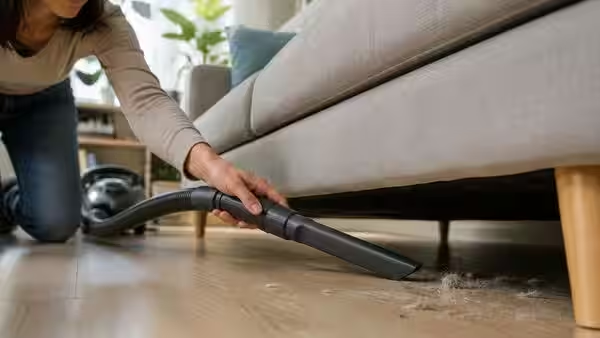
Dust settles on coffee tables, shelves, television stands, and decorative objects. Dry dusting can push particles into the air, so a slightly damp microfiber cloth is often more effective on suitable hard surfaces.
For a quick living room refresh:
- Start with higher shelves and work downward.
- Wipe furniture with a clean microfiber cloth.
- Use a soft brush attachment on suitable vacuum cleaners for upholstery.
- Clean around lamp bases, picture frames, and other dust-catching areas.
- Finish by vacuuming the floor.
Avoid spraying cleaning solutions directly onto electronics or delicate furniture. Apply a suitable product to the cloth instead, and follow the manufacturer’s cleaning guidance.
A regular dusting schedule can also help reduce the buildup that makes a room look untidy.
7. Freshen Carpets and Rugs
Carpets can trap dust, crumbs, pet hair, and everyday dirt. Natural Home Vacuuming regularly is one of the simplest ways to maintain their appearance.
For a freshening routine:
- Vacuum high-traffic areas slowly.
- Treat spills promptly by blotting with a clean cloth.
- Use a carpet cleaner approved for the specific material.
- Test any cleaning solution in a hidden area first.
- Allow the carpet to dry fully to help prevent lingering dampness and odors.
Baking soda is often suggested for carpet odors, but it can leave residue and may be difficult to remove completely from some carpet types or vacuum cleaners. Check the carpet and vacuum manufacturer’s recommendations before using it.
For large spills, persistent odors, or delicate rugs, professional cleaning may be the safer option.
8. Natural Home Mirrors and Windows Streak-Free
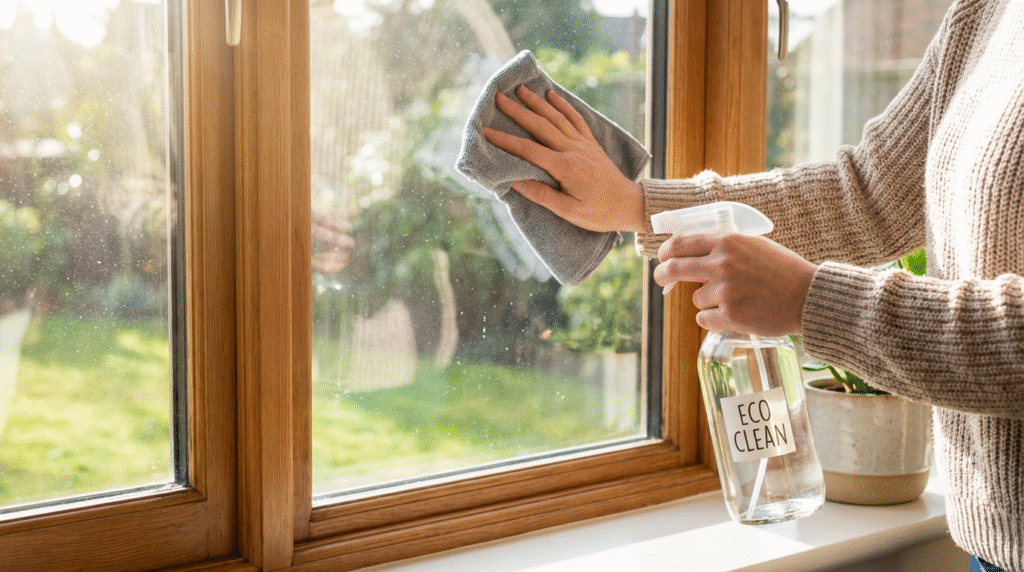
Fingerprints, dust, and water spots can make mirrors and windows look cloudy.
For light dirt, use a clean microfiber cloth dampened with water. Wipe the surface and finish with a dry, lint-free cloth.
If additional cleaning power is needed, choose a glass cleaner suitable for the surface. A diluted vinegar solution may be appropriate for some ordinary glass, but avoid getting it on nearby natural stone, sensitive coatings, or materials that could be damaged by acid.
For a better result:
- Clean glass when it is cool rather than in direct, strong sunlight.
- Use separate clean cloths for washing and drying.
- Avoid excessive liquid around wooden frames and electrical components.
- Wipe in overlapping strokes to reduce missed spots.
Clean cloths matter just as much as the cleaning solution. A cloth that contains detergent residue or lint can leave streaks behind.
9. Natural Home Refresh Your Bedroom With Simple Daily Habits
Bedrooms collect dust on bedside tables, under beds, and around fabric surfaces. A few small habits can keep the room comfortable without requiring a full deep clean every day.
Try these practical steps:
- Make the bed after getting up.
- Open curtains to let natural light into the room.
- Dust bedside tables and other hard surfaces regularly.
- Wash sheets and pillowcases according to their care instructions.
- Vacuum under the bed and around furniture.
- Keep laundry in a basket instead of letting it accumulate on chairs.
If you have allergies, regular laundering and vacuuming may help reduce certain dust-related triggers. Wash bedding at a temperature suitable for the fabric and recommended for your household needs.
Avoid using strong fragrances simply to make the bedroom smell clean. Removing dust, washing fabrics, and addressing the source of odors are more useful first steps.
10. Natural Home Clean Floors Without Leaving Residue
Different floor materials require different cleaning methods. Hardwood, laminate, tile, vinyl, and natural stone should not all be treated in the same way.
For many sealed hard floors, begin by sweeping or vacuuming loose dirt. Then use a damp mop and a cleaner approved for the flooring.
Keep floors looking their best:
- Remove grit before mopping to reduce scratching.
- Avoid soaking wood, laminate, and other moisture-sensitive floors.
- Use only recommended cleaning products.
- Change dirty mop water when it becomes cloudy.
- Dry the floor if required by the material or product instructions.
Vinegar is not a universal floor cleaner. Its acidity can damage certain finishes, natural stone, and other sensitive surfaces. When in doubt, follow the flooring manufacturer’s recommendations.
11. Use Baking Soda Carefully for Everyday Odors
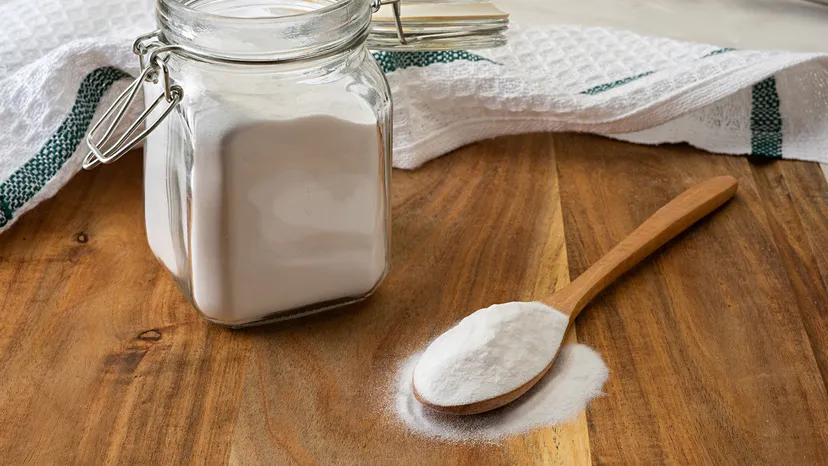
Baking soda is a familiar household ingredient that can help manage some unpleasant odors. However, it will not solve every smell, and it should not replace proper cleaning.
You can try it in a few suitable situations:
Inside the refrigerator: Keep an open container inside to help absorb some odors.
In a washable bin: Clean the bin with soap and water, dry it, and use a small amount of baking soda if appropriate to help control lingering smells.
On suitable washable surfaces: A baking soda paste may help with certain marks, but test it first because its abrasive texture can scratch delicate finishes.
If an odor keeps returning, look for its source. A blocked drain, spoiled food, damp fabric, or hidden leak requires a different solution from simple deodorizing.
12. Build a Simple Daily Home Cleaning Routine
You can keep many household messes under control by spending a short amount of time on maintenance each day. The following schedule is flexible, so adjust it according to your home and household size.
| Time | Cleaning Task | Why It Helps |
|---|---|---|
| Morning | Make beds and put away loose items | Keeps bedrooms looking organized |
| After meals | Wipe kitchen counters and wash dishes | Prevents food residue from building up |
| Afternoon or evening | Return items to their usual places | Reduces clutter in shared spaces |
| Before bed | Check the sink, kitchen floor, and visible spills | Makes the next morning easier |
| Weekly | Dust, vacuum, clean bathrooms, and mop floors | Addresses dirt that daily tidying misses |
You do not have to complete every task at once. Assigning small jobs to different household members can also make the routine more manageable.
Important Safety Tips for Natural Home Cleaning
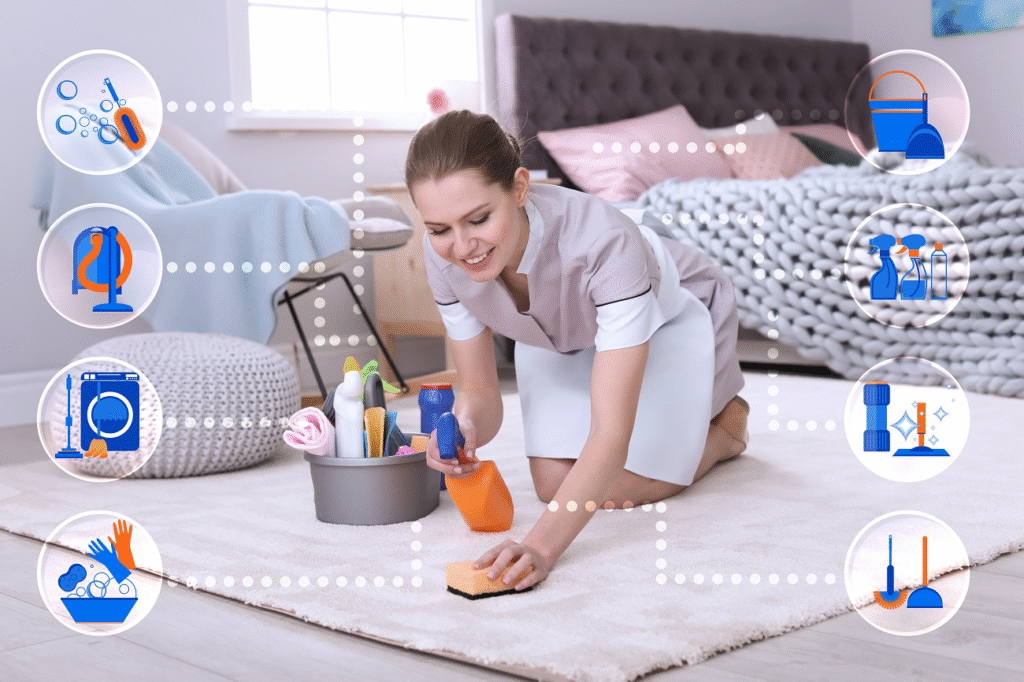
Household ingredients can be useful, but safe use matters more than whether a product is marketed as natural.
Never mix cleaning products indiscriminately. In particular, never mix bleach with vinegar, ammonia, acids, or other cleaners. Dangerous gases can be released. Follow the label on commercial products and use one cleaner at a time.
Do not assume vinegar disinfects surfaces. It may help with certain deposits and cleaning tasks, but it is not a reliable substitute for an approved disinfectant when disinfection is necessary.
Test before cleaning delicate materials. Natural stone, wood finishes, electronics, and coated surfaces can be damaged by unsuitable products or excessive moisture.
Keep supplies away from children and pets. Store household ingredients and cleaning products in their original or clearly labeled containers. Never store cleaning solutions in drink bottles.
Ventilate the room. Open windows or use appropriate ventilation when cleaning, especially when working with commercial products.
Use suitable products for specific hazards. Areas contaminated by raw meat, bodily fluids, mold, or other potentially hazardous materials may require specialized cleaning methods and approved products.
These precautions help you enjoy the convenience of simple household cleaning without creating new problems.
Common Natural Cleaning Mistakes to Avoid
Even straightforward cleaning routines can go wrong when the method does not match the task.
- Using vinegar on every surface: Its acidity can damage stone, certain finishes, and other sensitive materials.
- Mixing baking soda and vinegar for extra strength: The ingredients react with each other, largely neutralizing their cleaning properties. Using them separately for appropriate tasks is often more practical.
- Using too much soap: Excess detergent can leave a sticky film that attracts dirt.
- Scrubbing delicate finishes: Abrasive powders and rough brushes can leave scratches.
- Masking odors instead of removing their source: Clean the affected area and address moisture, spills, or spoiled items.
- Ignoring product instructions: Even familiar ingredients and commercial cleaners may be unsuitable for certain materials.
The most effective routine is not necessarily the one with the most ingredients. It is the one that removes the dirt safely and suits the surface you are cleaning.
Frequently Asked Questions
1. What are the best natural ingredients for home cleaning?
Baking soda, white vinegar, mild dish soap, and water can help with several everyday cleaning tasks. Their uses differ, and they are not suitable for every surface or cleaning situation.
2. Can I use vinegar and baking soda together for cleaning?
You can combine them, but the reaction produces carbon dioxide and largely neutralizes their acid-base properties. For many routine tasks, it is more useful to apply an appropriate ingredient separately rather than rely on the fizzing reaction.
3. Is natural home cleaning safe for pets?
It depends on the ingredients, concentration, surface, and how the product is used. Keep pets away while cleaning, prevent them from licking wet surfaces, and store all supplies securely. Essential oils can be harmful to some animals, so avoid assuming that scented or plant-based products are automatically pet-safe.
4. How often should I clean my home?
Daily tidying and wiping kitchen surfaces can help manage everyday messes. Bathrooms, floors, bedding, and dust-prone areas can be cleaned on a regular weekly schedule, with adjustments for household size, pets, allergies, and how frequently rooms are used.
5. What is the easiest way to keep a home clean every day?
Clean small messes as they happen, return items to their usual places, wipe kitchen counters after meals, and set aside a short period for daily tidying. Consistent small tasks can prevent larger cleaning jobs from accumulating.