Let’s play out a scenario we’ve all experienced. Coupons You’ve spent forty-five minutes carefully hunting down the exact pair of running shoes or the perfect kitchen gadget online. You’ve read the specs, chosen the color, and finally clicked through to the checkout screen. Coupons Your credit card is on the desk. You are ready to buy.
Then, your eyes lock onto that little blank rectangle staring back at you: “Enter Promo Code.”
Suddenly, the entire mood changes. That little box is a psychological speed bump. It whispers that somewhere out there, a smarter shopper is getting the exact same item for 20% less than you are. You feel an immediate obligation to open a new tab, type “brand name + coupon code” into a search engine, and wade through a swamp of spammy, ad-choked websites filled with broken links and expired promises.Coupons Ten minutes later, frustrated and empty-handed, you either pay full price with a bitter taste in your mouth or abandon the cart completely.
Digital coupons have completely rewritten the rules of commerce. What used to be a niche hobby involving physical scissors, plastic organizer binders, and Sunday newspapers has evolved into a high-stakes game of digital chess. Coupons E-commerce platforms use coupon boxes to track marketing data, manipulate our impulse control, and segment shoppers based on how price-sensitive they are.
But if you Coupons understand how the machine is wired, you can stop feeling like a target and start using these digital vouchers for what they were originally meant to be: an absolute cheat code for your personal bank account. Coupons This isn’t a lecture on pinching pennies; it’s a deep, unvarnished look at how to master the digital coupon ecosystem, outsmart the algorithms, and make sure you never pay retail price again.
The Economics of the Promo Box: Why Free Money Exists

To use digital coupons like a professional, you have to understand why a multi-billion-dollar retailer is willing to slice $20 off your total with a simple string of text like SAVE20. It isn’t out of corporate altruism.
E-commerce is a hyper-competitive landscape where the consumer’s attention span is measured in milliseconds. Retailers use coupons as a tool for three specific strategic goals:
- Bypassing Cart Abandonment: Over 70% of online shopping carts are abandoned before checkout. A well-timed pop-up offering free shipping or a 10% discount is the ultimate digital nudge to get an undecided buyer over the finish line.
- The Data Trade: When a site asks you to “Enter your phone number for 15% off your first order,” you aren’t getting a discount for free. You are selling your personal data. That 15% is the acquisition cost the company pays to get direct, permanent access to your text inbox or email.
- Inventory Velocity: Warehouses cost money to run. If a fashion retailer has a thousand summer dresses sitting in a fulfillment center in late August, those dresses are actively draining capital. A targeted coupon code allows them to liquidate stock quickly without permanently lowering the “prestige” price of their brand on the main storefront.
The Core Types of Digital Vouchers (And When to Stash Them)
Not all coupon codes are created equal. If you apply the wrong type of code to the wrong type of cart, you are leaving money on the table.
The Coupon Spectrum:
├── Percentage Off (e.g., 20% off) ──> Best for large, high-ticket bulk hauls
└── Dollar Off (e.g., $15 off $50)  ──> Best for precise, minimum-threshold orders
1. The Percentage-Based Coupons Code (% Off)
These are the heavy hitters of the online shopping world, typically ranging from 10% to an aggressive 30% off. The math here is simple: the more you spend, the more you save. These are the codes you want to deploy when you are doing a seasonal wardrobe refresh, upgrading a major piece of tech, or buying household essentials in bulk.
2. The Threshold Dollar-Off Coupons Code ($X off $Y)
These coupons read like a challenge: “Take $20 off any purchase of $75 or more.” Retailers love these because they trick your brain into spending more money. If your cart total is $60, you will actively search the site for a useless $15 item just to trigger the $20 discount.
The Pro Move: Only use these codes if your organic, unprompted cart total is already resting naturally just above the threshold. If you have to add filler items to your cart to qualify, the coupon has successfully manipulated you.
3. The Free Shipping Holy Grail
Never underestimate the psychological damage of a $9.99 shipping fee. You can be entirely comfortable spending $100 on an item, but the moment a retailer tacks on a double-digit delivery fee, your brain rebels. Free shipping coupons are often the highest-value codes available for small, heavy, or inexpensive items where shipping costs would otherwise obliterate the value of the purchase.
Advanced Digital Hunting: Where the Real Codes Hide
If you are still clicking on the first three results of a Google search for coupons, you are swimming in a sea of dead ends. The highest-value, fully functioning codes are never posted on public forums; they are distributed through targeted, private digital channels. Here is how to access them.
1. The Burner Email Strategy
Every major e-commerce site offers a “Welcome Discount” (usually 10% to 15% off) the first time you subscribe to their newsletter. But nobody wants their primary personal inbox flooded with daily marketing emails, flash sale alerts, and corporate spam.
Create a completely separate, free email address dedicated solely to shopping. When you need to buy something from a site, drop that burner email into their subscription box, grab the 15% off code from the welcome email, use it at checkout, and leave that inbox completely closed until the next time you need to shop. You get the discount on every single purchase without compromising your digital peace.
2. The App-Only Coupons Price Discrepancy
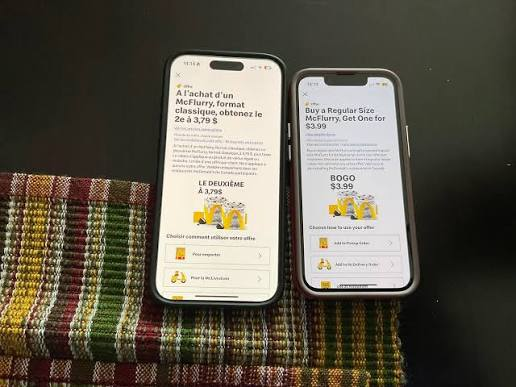
Retailers want you inside their native mobile apps because an app allows them to send push notifications directly to your phone screen, bypass ad-blockers, and track your user behavior more closely. To entice you into downloading their app, they frequently offer permanent, hidden discounts.
Before you buy something on a desktop site, check if they have a mobile app. Open the app, log into your account, and look at your cart. Very often, you will find an automatic 10% “first app purchase” discount waiting for you, or a completely different, lower base price for the exact same SKU.
3. The Live Chat Hail Mary
If you’ve searched everywhere and can’t find a working code, look for the little customer support chat bubble in the bottom right corner of the screen. Tap it and connect with a live representative.
Be incredibly polite—remember, these customer service agents spend their entire day dealing with angry, impatient people. Say something simple: “Hi! I’m about to check out with a large order, but my budget is a bit tight this week. I was wondering if there are any active corporate promotional codes or free shipping options available today that I might have missed?”
Because customer care agents have quotas to meet and are empowered to close sales, they will very often look up an unlisted internal code and paste it directly into the chat box for you. It takes less than two minutes and works surprisingly often.
The Master Class: How to Stack Coupons Discounts

The casual shopper finds a single coupon and considers it a win. The strategic shopper views a coupon as just one layer in a complex financial stack. Deal stacking is the practice of combining multiple distinct saving mechanisms into a single checkout sequence to bring the price down to near-wholesale levels.
Here is how a real-world stack operates on a $150 designer jacket:
| Layer | Action | Impact | Running Total |
|---|---|---|---|
| Layer 1: The Base Sale | Wait for an end-of-season clearance markdown (e.g., 20% off). | Cuts the price from $150 to $120. | $120.00 |
| Layer 2: The Stacking Code | Apply an active 15% newsletter welcome code at checkout. | Shaves off an additional $18. | $102.00 |
| Layer 3: The Cashback Portal | Click through a cashback extension (like Rakuten) offering 10% back. | Earns you $10.20 in cash back later. | $91.80 |
| Layer 4: Category Rewards | Pay with a credit card offering 3% cash back on digital retail. | Saves an extra $3.06 on the statement. | $88.74 |
By understanding the hierarchy of stacking, you’ve taken an item that costs $150 at retail and walked away paying an effective $88.74. You didn’t use any illegal hacks; you simply aligned the retailer’s own promotional systems to work in your favor simultaneously.
Psychological Warfare: Avoiding the “Sale” Traps

While the strategies above will save you a fortune, you must remain hyper-aware of the subtle psychological traps designed to make you overspend under the illusion of saving money. Retailers are experts at behavioral economics; they know exactly how to make a bad deal look like a financial victory.
The “Fear of Missing Out” (FOMO) Timer
You are looking at an item, and a tiny, flashing digital clock appears on screen: “Sale ends in 02:14:55!” or “Only 3 items left in stock!”
This is artificial scarcity. It is designed to trigger a state of mild panic in your brain, bypassing your logical evaluation of price and forcing you to check out instantly before you can think it through. In 90% of cases, if you refresh the page in an incognito window or check back the next day, the timer will have reset, and the stock level will remain completely fine. Never let a website dictate your timeline.
The Buy-One-Get-One (BOGO) Delusion

BOGO sales are an incredibly efficient way for stores to clear out stagnant inventory. If you are buying everyday essentials that do not expire—like laundry detergent, trash bags, or contact lens solution—BOGO is a fantastic deal.
But if you are buying a pair of fashionable shoes, a lipstick, or a niche gadget, BOGO is almost always a trap. You end up spending extra money to acquire a second item you don’t actually need, simply because the unit price felt cheap. If you didn’t want two of them before you saw the sale, don’t buy two of them now.
The Pro-Shopper’s Final Checklist Coupons
Before you click that big “Place Order” button, run through this mental checklist every single time to ensure you aren’t leaving money on the table or falling for a marketing trap:
- Did I check the unit price? Don’t look at the total discount; look at the price per ounce, per count, or per item. Sometimes buying a slightly smaller package with no coupon is cheaper than buying a giant “value pack” with a coupon.
- What is the return policy for clearance items? Many retailers include a clause in their terms stating that any item purchased with a discount code over a certain percentage is “Final Sale.” If the clothing doesn’t fit or the tech arrives defective, you could be stuck with it forever. Always check the fine print.
- Am I paying for shipping? If a coupon saves you $5 but triggers a $10 shipping fee because your cart total dropped below the free delivery threshold, delete the code or reevaluate the purchase.
- Have I slept on it? The absolute best coupon in the world is the 100% discount that comes from simply closing the browser tab and choosing not to buy the item at all. Give your brain 24 hours to clear out the shopping dopamine before you finalize the transaction.
The Long-Term Impact on Your Financial Health
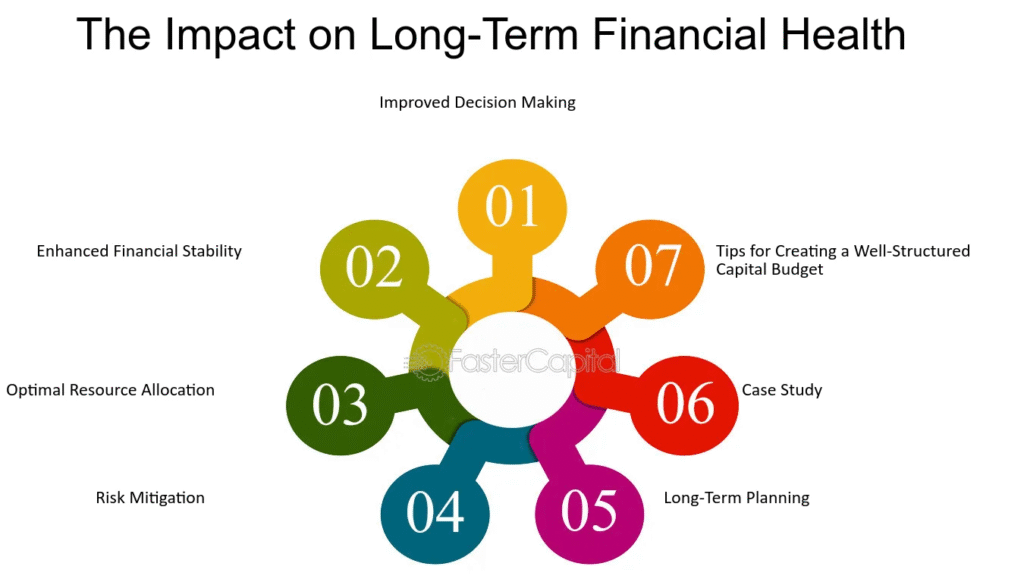
It is easy to look at a five-dollar discount on a single online order and think, “Why bother? It’s just five bucks.” But this is where compounding interest works in reverse.
The average household makes dozens of online purchases every single year across groceries, clothing, travel, insurance, and home goods. If you consistently save an intentional 15% to 20% on those transactions by executing basic deal Coupons stacking and smart timing, that pocket change quickly compounds into thousands of dollars over the course of a year.
That is money that can be redirected toward your emergency fund, used to pay down high-interest debt, invested in the market, or spent on meaningful real-world experiences with the people you love. Coupons Smart shopping isn’t about depriving yourself or living a life of extreme restriction; it’s about reclaiming your purchasing power, playing the digital retail game on your own terms, and making sure that your money stays exactly where it belongs—in your pocket.
Frequently Asked Questions
1. Why do so many coupon codes on the internet just… not work?
We’ve all experienced that spike of annoyance: you find a great code, paste it in, and the site flashes “CODE EXPIRED” or “NOT VALID FOR ITEMS IN CART.”The truth is, major coupon aggregator sites are often just traffic traps. They keep old, expired codes live on their pages because it keeps them ranking high on search engines. To get codes that actually work, bypass the middleman. Grab a welcome code by signing up for a brand’s newsletter with a burner email, or use an automated browser extension that tests community-verified, real-time codes at checkout for you.
2.Are online coupon codes really worth using?
Absolutely. Even a small discount can add up over time, especially if you shop online regularly. Whether it’s a percentage off, free shipping, or cashback, using coupons helps you spend less without changing what you buy.
3. Does the “Abandoned Cart” trick work for every online store?
It works incredibly well for mid-tier apparel, beauty, and home goods brands, but don’t expect it to work everywhere. High-end luxury brands (like Apple or designer fashion houses) have zero incentive to chase you down with a discount.For the brands that do participate, remember the rules: you must be logged into your store account so their algorithm knows your email, and you have to take your cart all the way to the final shipping screen before closing the tab. Give it 24 to 48 hours for their automated email system to panic and send you a “Please come back” discount code.
4. Are “Buy One, Get One” (BOGO) deals actually a scam?
They aren’t a scam mechanically, but they are a massive psychological trap. BOGO deals are designed by retailers to flush stagnant inventory out of their warehouses.If you are buying non-perishable everyday essentials that you use constantly—like garbage bags, coffee, or shampoo—BOGO is a massive win. But if you are buying a trendy pair of shoes or a niche kitchen gadget, you are just being tricked into spending extra money on a second item you never actually wanted in the first place.
5. What is the single biggest mistake people make when using coupons?
Letting the coupon dictate the purchase. Retailers love offering “Spend $100, Get $20 Off” thresholds. If your cart naturally totals $75, your brain will subconsciously look for a useless $25 item just to “save” the twenty bucks.When you do this, you didn’t save money—the retailer successfully manipulated you into spending an extra $5. A coupon is only a real discount if it lowers the cost of something you were already fully committed to buying at full price.