We’ve all seen those immaculate, hyper-curated living rooms on our feeds. The ones with the perfectly plush, snow-white linen couches, the zero-clutter glass coffee tables, and the single, pristine monstera plant soaking up flawless architectural sunlight. They look beautiful for about three seconds—until your brain starts asking the real human questions: Where do they hide the TV remotes? Where does the dog sleep? And what happens if someone accidentally drops a slice of pepperoni pizza on that couch?
The truth is, a lot of modern home design advice feels like it’s written for a museum, not a life. We are told that transforming our space requires breaking the bank on a top-tier contractor, importing custom Italian marble, or executing a total aesthetic overhaul every time the internet decides a new trend is “in.”
But a home isn’t an algorithm, and it shouldn’t look like a staged real estate listing. A truly beautiful, comfortable home is a digital detox chamber. It’s the place that knows exactly how you take your coffee, holds the marks of your best memories on its walls, and breathes a sigh of relief with you the second you drop your keys at the door.
If you are tired of living in a space that feels sterile, chaotic, or just plain unfinished, here is the real-talk guide to reclaiming your home—without losing your mind or your savings account in the process.
The Core Shift: Function Must Fight Fashion (And Win)

Before you buy a single paint can or scroll through a furniture site, we need to address the ultimate design lie: that perfection equals peace.
It doesn’t. If you buy a gorgeous, ultra-modern metal chair that makes your back ache after ten minutes of reading, you haven’t improved your home; you’ve just purchased an expensive piece of sculpture that actively annoys you. True interior literacy is realizing that if a room doesn’t serve your actual, messy, daily human habits, it’s a failed space—no matter how many likes it could get on social media.
The Design Reality Check:
├── Sterile Perfection ──> High Stress, Constant Maintenance, No Personality
└── Functional Comfort   ──> Low Friction, Lived-In Warmth, Authentically Yours
A home needs to be resilient. It needs to handle muddy boots, spilled coffee, impromptu late-night kitchen conversations, and lazy Sunday afternoons where nobody moves from the couch. When you design for real life instead of an idealized version of yourself, the pressure evaporates. Suddenly, decorating stops being a stressful chore and becomes an authentic act of self-care.
Breaking Down the Anatomy of a Lived-In Space
Every home is a collection of micro-environments. You don’t need to fix everything all at once. Instead, pick one corner, one room, or one problem area, and apply a bit of human intuition to it.
1. The Living Room (The Collective Heart)
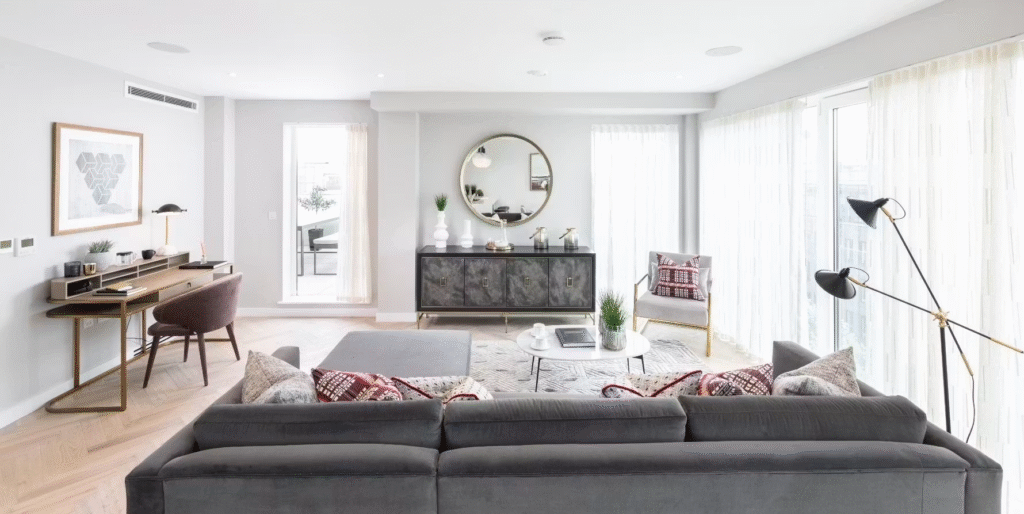
The living room is your home’s social anchor. Yet, so many people arrange this room like a mini movie theater—every single piece of furniture pinned against the walls, staring blankly at a giant black screen.
If you want a room that actually fosters connection, pull the furniture away from the walls. Create a conversational circle. Group your seating close enough that people can chat without shouting, and make sure every single seat has an easily reachable surface to set down a drink or a book.
Layer in textures that invite touch. A smooth leather sofa needs the contrast of a chunky woven throw blanket. A cold hardwood floor begs for a thick, soft area rug that feels incredible under bare feet. These elements aren’t just decorative fillers; they are sensory cues that tell your brain it’s safe to slow down and relax.
2. The Kitchen (The High-Friction Zone)
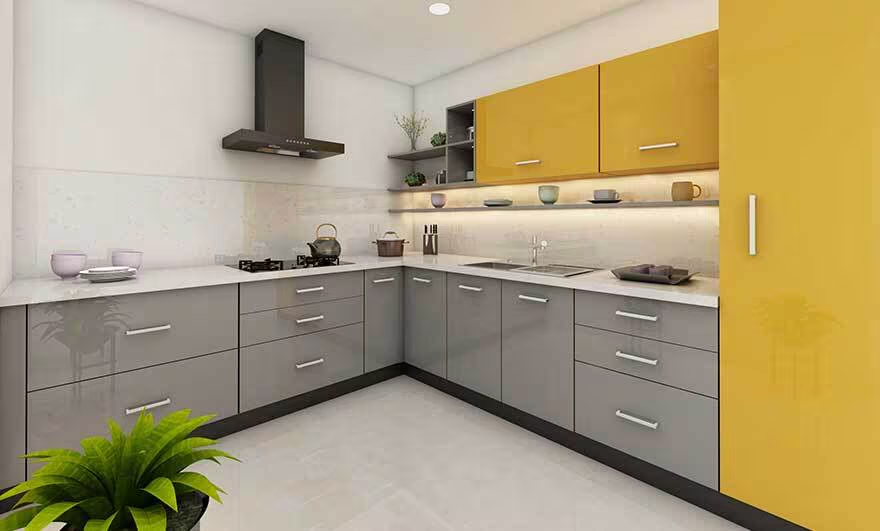
They say the kitchen is the heart of the home, but let’s be honest: it’s also the highest-stress room in the house. It’s where the mail piles up, the dishes accumulate, and the chaotic dinner-rush choreography happens every single night.
The secret to a beautiful kitchen isn’t expensive custom cabinetry; it’s the elimination of daily friction. Clear the countertops ruthlessly. If you don’t use an appliance at least three times a week, it doesn’t deserve prime real estate next to the sink—banish it to a lower cabinet.
Instead of filling your counters with clutter, use functional items as your decor. Put your wooden cooking spoons in a beautiful ceramic crock. Keep your olive oil and sea salt on a small wooden tray next to the stove. Hang a bunch of fresh rosemary or keep a small pot of basil on the windowsill. It instantly shifts the mood from a chaotic utility workspace to a warm, sensory environment where you actually want to spend time.
3. The Bedroom (The Sanctuary)
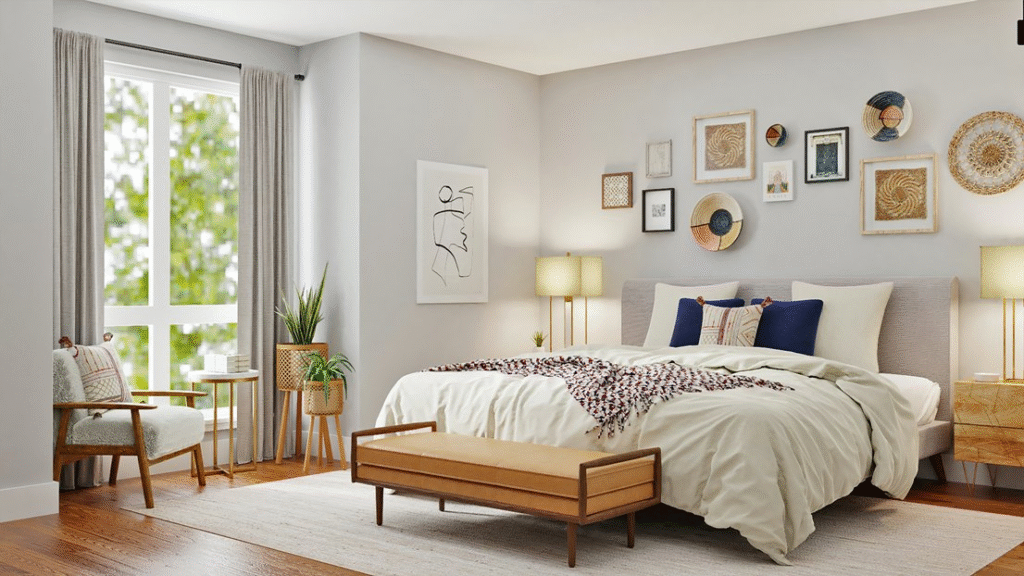
Your bedroom should be the ultimate boundary line between you and the rest of the world. It is the one room where the outside world’s opinions matter least.
The biggest mistake people make here is turning their bedroom into a multi-purpose dumping ground. It becomes a secondary home office, a laundry folding station, and an electronics charging hub. If you are staring at a pile of unpaid bills or a glowing work laptop from your bed, your brain will never fully enter deep relaxation mode.
Keep the palette soft, quiet, and low-contrast. Invest in the things that directly touch your skin—breathable cotton sheets, a supportive pillow, and a comforter that feels like a weightless cloud. Keep the lighting low and warm; replace harsh overhead bulbs with bedside lamps that emit a soft, amber glow. When you step into your bedroom, it should feel like the digital world has been completely locked outside.
The Unspoken Design Rules You Won’t Find in Magazines
To build a space that actually feels right, you have to understand how humans interact with physical environments. Here are the three non-negotiable laws of real-world home styling.
Rule 1: The Three-Tier Lighting System
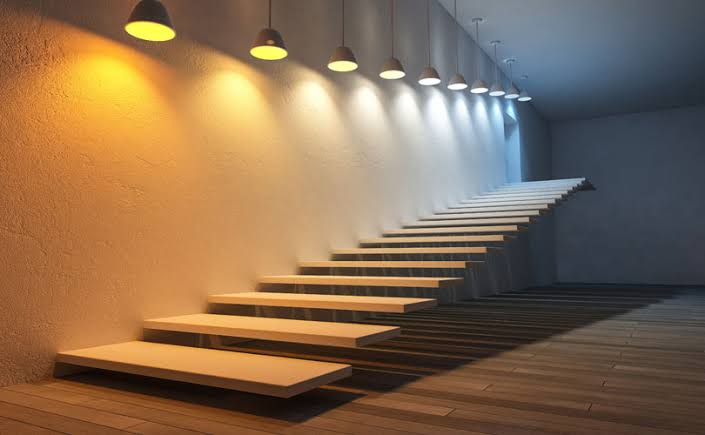
If you are relying solely on a single, blazing overhead “boob light” in the center of your ceiling, you are actively killing the vibe of your room. It creates harsh, aggressive shadows and makes even the most beautifully decorated space feel like an interrogation room.
To create warmth and depth, you must use light at different heights:
Lighting Layers:
├── Ambient Light ──> The general overhead light (use only when searching for a lost item)
├── Task Light    ──> Under-cabinet LEDs, reading lamps, desk illumination (focused utility)
└── Accent Light  ──> Floor lamps, table lamps, candles, dimmers (where the actual magic happens)
Turn off the big overhead light when the sun goes down. Instead, turn on a floor lamp in the corner, a small table lamp on a side table, and light a couple of candles. By scattering warm pockets of light throughout the room at eye level, you instantly create a sense of mystery, intimacy, and profound comfort.
Rule 2: The Truth About Clutter vs. Curated Memory
There is a massive difference between mess and meaning. Mess is a pile of unopened mail, dirty socks, and plastic junk you bought on a whim. Meaning is a stack of art books you love flipping through, a vintage ceramic bowl you found on a road trip, or a framed, slightly blurry photo of your friends laughing at a dinner party.
Minimalism tells us to strip everything away until our rooms are empty boxes. But empty boxes feel lonely. The goal shouldn’t be to own nothing; it should be to ensure that every object on display earns its keep by telling a story.
When people walk into your home, they should instantly learn something about who you are, where you’ve been, and what you care about just by looking at your shelves. If your decor could be swapped with a hotel room without anyone noticing, it’s time to bring your real self back into the frame.
Rule 3: Bring the Natural World Inside
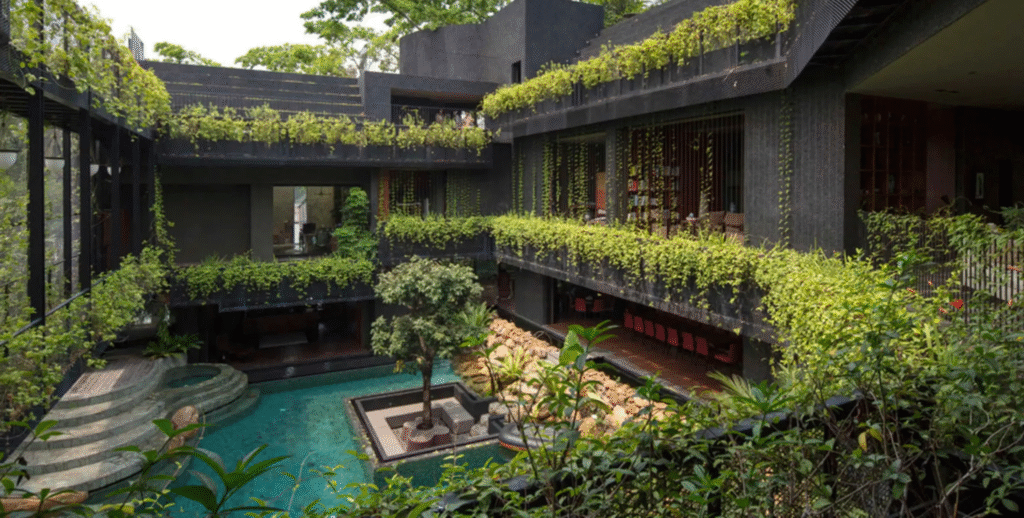
As humans, we are biologically wired to feel calmer when we are connected to nature. Yet, we spend up to 90% of our lives inside climate-controlled concrete boxes. To counter this, your home needs to breathe.
You don’t need a massive green thumb to make this work. Start with a few resilient, hard-to-kill indoor plants like a pothos, a snake plant, or a ZZ plant. They don’t just clean your air; their organic shapes break up the rigid, sharp lines of standard furniture.
Beyond plants, look at the raw materials in your rooms. Swap out cheap plastic bins for woven sea-grass baskets. Choose a solid wood coffee table with visible grain and imperfections over a synthetic laminate piece. Introduce linen, wool, and stone textures. These natural variations give your eyes a soft place to rest and ground the entire home in a timeless, earthy reality.
The Budget-Friendly Playbook: High Impact, Low Spend
You do not need a massive bank account to completely change how your home feels. In fact, some of the most profound design transformations cost less than a weekend’s worth of groceries. If your space feels stuck, use this tactical playbook to shake things up without spending a fortune.
High-Impact, Low-Cost Matrix:
├── The Layout Flip  ──> Cost: $0  ──> Move your furniture. Instantly breaks stale energy.
├── The Paint Switch ──> Cost: $40 ──> A fresh accent wall or painted trim changes a room's scale.
└── The Cushion Swap ──> Cost: $30 ──> Change textiles seasonally to shift the sensory mood.
Strategy 1: The Radical Furniture Rearrange
Before you spend a dime on new furniture, clear the room entirely and try a radical layout flip. Swap the placement of your couch and your television. Move your bed to the opposite wall. Create an open pathway that allows energy and light to flow naturally through the space.
Changing the layout breaks up the psychological stagnation of a room. It forces you to look at your home with completely fresh eyes and often reveals that you didn’t need new furniture at all—you just needed a better relationship with the space you already had.
Strategy 2: The Power of a $40 Can of Paint

Paint is the ultimate design cheat code. It is the cheapest, fastest way to alter the perceived size, height, and mood of a room.
If a long hallway feels cramped and dark, paint it a crisp, reflective off-white to bounce light around. If a bedroom feels cavernous and cold, paint the walls a deep, enveloping olive green, navy blue, or warm terracotta to visually pull the walls in and create a cozy, cocoon-like embrace. Don’t be afraid of dark colors; when used intentionally, they create a dramatic, luxurious depth that white walls simply can’t match.
Strategy 3: Shop Your Own House
We often get bored of our decor simply because it has sat in the exact same spot for three years. Walk through your house with an empty laundry basket. Gather up your favorite art prints, vases, books, and decorative objects from every room, and pile them on your dining table.
Now, play the role of the curator. Move a landscape print from the hallway into the kitchen. Take a stack of vintage books from your bedroom and use them to elevate a plant in the living room. By shuffling your belongings between rooms, you give them a second life and create entirely new visual narratives without spending a single dollar.
The Final Verdict: Embrace the Imperfect Evolution

At the end of the day, a home is never truly “finished”—and that is exactly how it should be.
Your home is a living, breathing extension of your life’s journey. It should grow as you grow, change as your family changes, and adapt to your evolving needs. The pursuit of a flawless, static interior design goal is a trap that keeps you from enjoying the very space you’ve worked so hard to build.
Stop waiting for the perfect budget, the perfect renovation, or the perfect piece of furniture to arrive before you allow yourself to feel comfortable. Embrace the slight scratch on the dining table from that epic game night. Appreciate the mismatched mugs in your cupboard that each carry a memory of a specific time in your life. Love the slightly uneven floorboards that give an old house its soul.
True home luxury isn’t about how much money you spent on your decor. It’s about the quality of the life lived inside those walls. Fill your space with real light, genuine memories, and functional comfort. Build a sanctuary that protects your peace, welcomes your friends, and reminds you—every single time you walk through the front door—that you are exactly where you belong.
Frequently Asked Questions
1.What makes a home beautiful?
A beautiful home combines comfort, functionality, thoughtful design, and personal touches that reflect the people who live there.
2.How can I make my home look expensive on a budget?
Use neutral colors, improve lighting, keep spaces organized, add plants, and invest in a few quality décor pieces rather than many inexpensive items.
3.What colors make a home feel warm and welcoming?
Soft neutrals, warm beige, cream, earthy greens, muted blues, and natural wood tones create a cozy atmosphere.
4.How can I make a small home feel bigger?
Maximize natural light, use mirrors, choose multifunctional furniture, keep clutter to a minimum, and use light color palettes.
5.Why is lighting important in home design?
Lighting enhances mood, improves functionality, highlights décor, and makes rooms feel larger and more inviting.