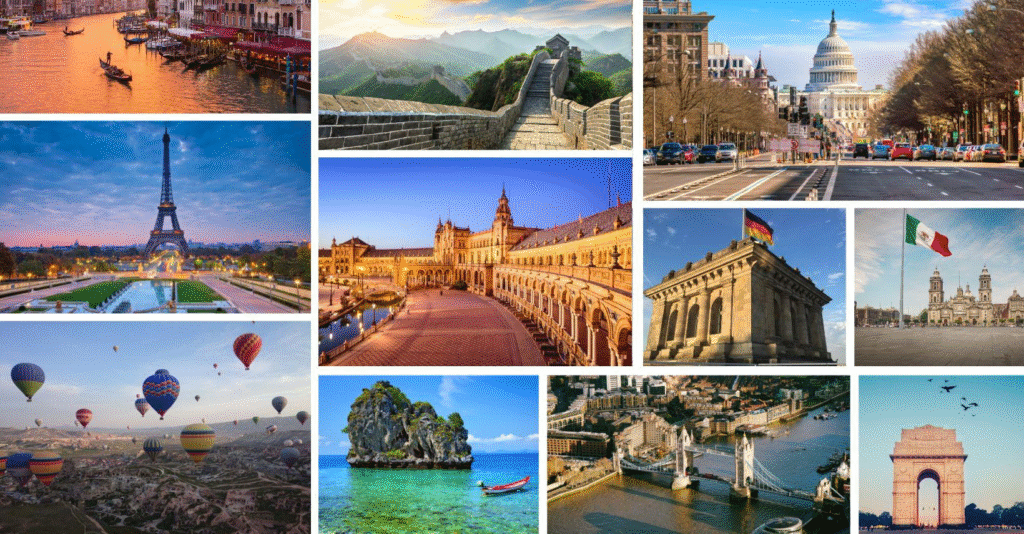
We’ve all seen the carefully curated travel aesthetic online: infinity pools overlooking the pristine cliffs of Santorini, five-hundred-dollar-a-night boutique hotels in Kyoto, and private cabanas on the beaches of French Polynesia. It’s an intoxicating vision of escape, meticulously designed to make us look at our cubicles, our messy living rooms, and our bank accounts with a heavy sigh of inadequacy. It whispers a subtle lie: True adventure is a luxury asset, available only to those with deep pockets.
But if you talk to seasoned travelers—the people who spend six months out of the year wandering the globe rather than just taking a frantic one-week annual vacation—they will tell you a completely different story.
The most vibrant, unforgettable, life-altering travel moments don’t happen behind the bulletproof glass of a five-star resort. They happen when you’re crammed into an old train rattling through the mountains of Vietnam, sharing an unidentifiable but utterly delicious snack with a local family who doesn’t speak a word of English. They happen when you get lost in a sun-bleached alleyway in Lisbon or watch the sunrise over a crumbling temple complex in India that cost less than a cup of coffee to enter.
Affordable travel isn’t a compromise. It isn’t a lesser version of a “real” vacation where you punish yourself by sleeping on concrete floors and skipping attractions just to save a dollar. True budget travel is an intentional philosophy. It’s the art of geographic arbitrage—choosing destinations where your baseline currency holds massive purchasing power, traveling at a pace that allows you to blend into the local rhythm, and realizing that the best parts of human culture are rarely behind a paywall.
If you understand how to navigate the global landscape with a strategic mindset, you can unlock a life of continuous, immersive exploration without ever draining your life savings. Here is the unvarnished truth about how to see the world on your own financial terms.
The Macroeconomics of Wandering: Decoding the “Cheap” Travel Destination
To understand why some places stretch your dollar into a mile while others swallow it whole, you have to look past the cost of a flight. A destination isn’t truly affordable just because you scored a cheap flash-sale ticket to the capital city. True affordability is determined by the Local Cost of Living Index and Purchasing Power Parity (PPP).
The Travel Budget Formula:
Flight Cost (One-time) + [Daily Accommodation + Daily Food + Transit + Experiences] x Days = True Cost
When you choose a destination with a low cost of living, your money changes its behavior. In cities like London, New York, or Paris, your budget is on defense; you are constantly calculating, restricting, and worrying if that second cappuccino is going to break your daily limit.
But when you cross the border into a high-value country, your budget goes on the offensive. Suddenly, a beautifully cooked three-course dinner costs eight dollars. A clean, air-conditioned guesthouse run by a welcoming local family costs twenty dollars a night. Public transit across the entire country costs less than a single subway ride back home. This financial breathing room changes your psychological state. It transforms travel from a high-stress checklist of expensive tourist boxes into a fluid, relaxed experience where you can say “yes” to spontaneous adventures.
The Global Hotspots: Where Your Money Holds Real Power
The world is massive, but several regions stand out as absolute sanctuaries for budget-conscious explorers who refuse to compromise on culture, safety, or natural beauty.
1. Southeast Asia: The Uncontested Champion

There is a reason Southeast Asia has been the spiritual home of independent travel for decades. Countries like Vietnam, Thailand, Indonesia, and Cambodia offer an unmatched ratio of cost to quality of life.
Take Vietnam as a case study. You can wander through the ancient, lantern-lit streets of Hội An, hike through the emerald rice terraces of Sapa, and cruise through the towering limestone karsts of Ha Long Bay for a daily operational budget that would barely buy you a movie ticket and a box of popcorn in the West. The infrastructure for travelers here is phenomenal—highly efficient sleeper buses, hyper-fast Wi-Fi for remote workers, and a street food culture that is legally classified as an art form. You can live like royalty on thirty to forty dollars a day, eating the freshest food on earth while sleeping in boutique homestays.
2. Eastern Europe: The Old World Architecture Without the Crowds

If your dream involves cobblestone streets, gothic castles, and deep historical narratives, you don’t need to mortgage your home to visit Italy or Switzerland. Shift your gaze eastward.
Countries like Poland, Hungary, Romania, and Albania offer the exact same European charm, architectural mastery, and deep-cut history at a staggering 50% to 60% discount compared to their Western neighbors.
European Cost Discrepancy:
├── Western Europe (e.g., Paris/Zurich) ──> High Accommodation, $25 Lunches, Packed Crowds
└── Eastern Europe (e.g., Budapest/Tirana) ──> Affordable Rentals, $8 Hearty Meals, Hidden Gems
In Budapest, you can soak in historic thermal bathhouses built centuries ago and spend your evenings in “ruin bars”—eclectic, creative nightlife spaces built inside abandoned World War II tenements—for a fraction of what a night out in London would cost. If you head further south to Albania, you’ll discover Mediterranean beaches along the Ionian coast that rival Greece, with pristine turquoise water and white sand, completely untouched by mass commercial mega-resorts.
3. Portugal: The Travel Western European Anomaly
For those completely set on exploring Western Europe, Portugal remains the ultimate value oasis. While prices have risen slightly over the last few years due to its massive popularity among digital nomads, it still beats its neighbors on everyday costs.
The beauty of Portugal lies in its balance. You get the world-class safety, high-speed trains, and infrastructure of the European Union, combined with the affordable seafood, cheap wine, and reasonably priced guesthouses of a developing economy. A morning pastel de nata (egg tart) and an espresso will cost you pocket change, and the coastal trains running from Porto down to the Algarve allow you to slow-travel across jaw-dropping Atlantic cliffs without ever needing a rental car.
4. India: Travel The Masterclass in Cultural Immersion

India cannot merely be described as a country; it is a sprawling, beautiful, chaotic continent masquerading as a single nation. It is also one of the most astonishingly budget-friendly places on the planet for travelers who are willing to embrace its intense energy.
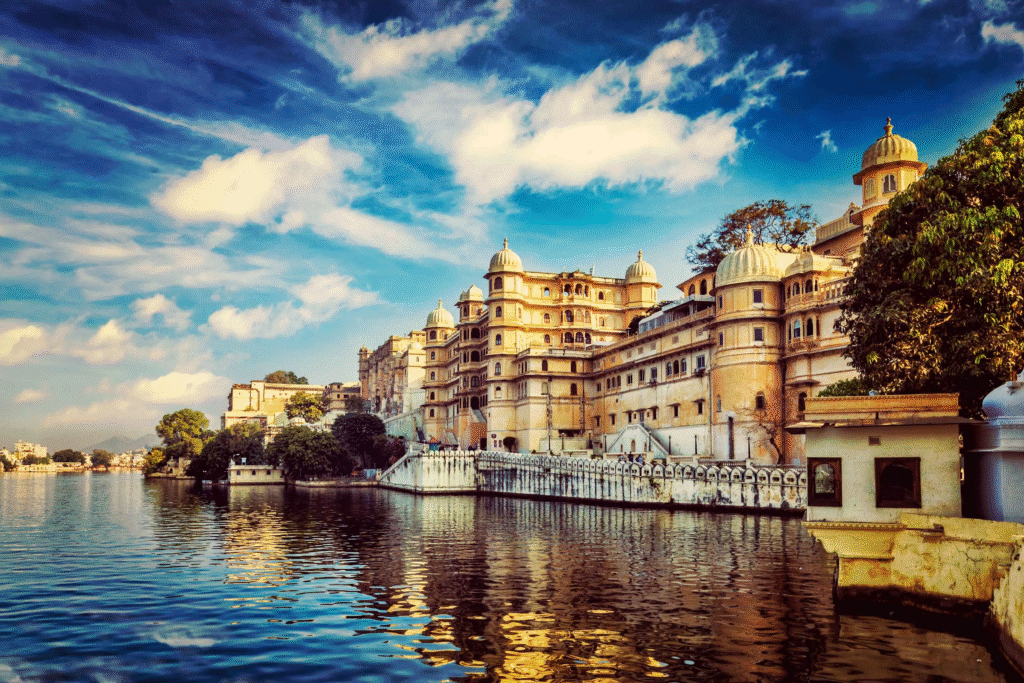
Whether you are watching the evening fire rituals along the Ganges in Varanasi, exploring the massive desert fortresses of Rajasthan, or winding through the cool tea plantations of Kerala, the scale of economy here is mind-boggling. Long-distance train journeys spanning hundreds of miles cost single-digit dollars. Local eateries serve up massive, unlimited thalis (platters of curries, rice, and flatbreads) for two dollars. India forces you to slow down, adapt your expectations, and engage with the world on a raw, human level—and it rewards your wallet immensely for doing so.
The Tactical Blueprint of the Budget Traveler
Finding a high-value country is only half the battle. To truly maximize your travel lifespan, you must discard the consumer habits implanted in us by corporate vacation packages. True budget travel requires a complete re-engineering of how you sleep, eat, and move across a map.
The Accommodation Spectrum
| Accommodation Type | Cost Level | The Hidden Human Benefit |
|---|---|---|
| Family Homestays | Low | Direct insider access to local culture, home-cooked breakfasts, hidden neighborhood tips. |
| Boutique Hostels (Private Rooms) | Low-Medium | Social atmosphere of a community space without sacrificing your personal sleeping privacy. |
| Neighborhood Apartment Rentals | Medium | Built-in kitchen allows you to cook local market ingredients and cut food costs in half. |
Never book a hotel directly inside the historic tourist core or right next to a major monument. Retailers and property owners in these zones pay inflated commercial rents, and they pass those exact costs directly onto you through higher room rates and ten-dollar bottles of water.
Instead, drop a pin two or three subway stops outside the tourist zone. Look for residential neighborhoods where normal people actually live, walk to work, and buy groceries. Not only will your accommodation costs plunge by 40% to 50%, but you will also experience the authentic, everyday heartbeat of the city. You’ll buy your morning bread from the neighborhood baker who smiles when he realizes you’re trying to learn the local language, rather than a jaded hotel clerk who sees ten thousand tourists a week.
The Golden Rule of Food: Eat Where People Sweat
Food is the soul of travel, yet it is where most tourists completely bleed money. If a restaurant has an English menu displayed outside with pictures of the food, a host standing on the sidewalk begging you to come in, and a view of a famous landmark, keep walking. You aren’t paying for food quality; you are paying a location premium for uninspired, westernized meals.
The Rule: Look for places with plastic stools on the sidewalk, chaotic open kitchens, and a line of local residents waiting to get their food. Look for the taxi drivers, the office workers, and the grandmothers.
If a local spot is packed to the brim with residents, it means two things: the food is incredibly fresh because the inventory turns over every hour, and the prices are anchored to the local economy, not foreign wallets. Street food stalls and neighborhood diners offer an explosion of flavor and culinary heritage that no white-tablecloth hotel restaurant can ever replicate.
Weaponizing the Shoulder Season
If you book a flight to Rome in July or Thailand during New Year’s, you are choosing to participate in economic madness. You will pay peak prices for flights, fight through dense crowds of exhausted tourists in 90-degree heat, and see the worst, most stressed-out side of local hospitality workers.
Instead, target the Shoulder Season—the magical weeks immediately before and after the peak tourist rush. Think of Italy in October, or Vietnam in April.
During the shoulder season, the weather is often spectacular, the massive tour buses have departed, the locals have breathed a sigh of relief, and the hotels are desperately lowering their prices to fill empty rooms. You get a quieter, more poetic version of the destination for a fraction of the cost.
Why Spending Less Forces You to Travel Experience More

We live in a culture that equates spending money with safety, comfort, and status. But in the world of travel, luxury often acts as an insulation layer that separates you from the very world you traveled to see.
If you stay at an international luxury hotel chain, take private air-conditioned taxis everywhere, and only eat at high-end resort restaurants, you might as well stay home. You are locked inside a sterile, westernized bubble. The sheets are the same, the music is the same, and the staff is trained to treat you with an artificial, subservient politeness. You haven’t actually traveled; you’ve just relocated your comfort zone.
When you choose the affordable route, the friction of daily life forces you to engage with the environment.
- Taking the public bus forces you to look out the window, decipher local signage, and understand how a city actually moves.
- Wandering through a local wet market to buy fresh fruit forces you to interact with vendors, smile, gesture, and participate in the universal dance of human commerce.
- Staying in a family-run guesthouse allows you to hear the stories of the people who actually call that country home.
These moments of slight discomfort and improvisation are the exact moments where true travel memories are forged. Ten years from now, you will not remember the generic luxury bathroom of a corporate hotel. But you will remember with crystal clarity the afternoon you got caught in a sudden tropical rainstorm in Bali, ran into a tiny roadside shack for cover, and spent two hours laughing and drinking hot ginger tea with a group of local mechanics.
Affordable travel isn’t about being cheap. It’s about being rich in the things that matter: time, human connection, spontaneous freedom, and an open mind. By breaking free from the luxury marketing trap and learning to navigate the global landscape with intentionality, you turn travel from an occasional, expensive luxury into a sustainable lifestyle of endless discovery.
Frequently Asked Questions
1.What is the cheapest country to travel to?
The answer depends on where you’re traveling from, but countries in Southeast Asia, South Asia, and parts of Eastern Europe are generally considered among the most affordable.
2.How can I travel on a small budget?
Choose affordable destinations, travel during the off-season, use public transportation, stay in budget accommodations, and eat at local restaurants.
3.When is the best time to book flights?
Booking several weeks or months in advance often provides better prices, especially for international travel.
4.Are budget destinations safe?
Many affordable destinations are perfectly safe when travelers follow common safety precautions and research local conditions before visiting.
5.Is solo travel affordable?
Yes. Solo travelers can save money by staying in hostels, using public transportation, joining group tours, and traveling during quieter seasons.