
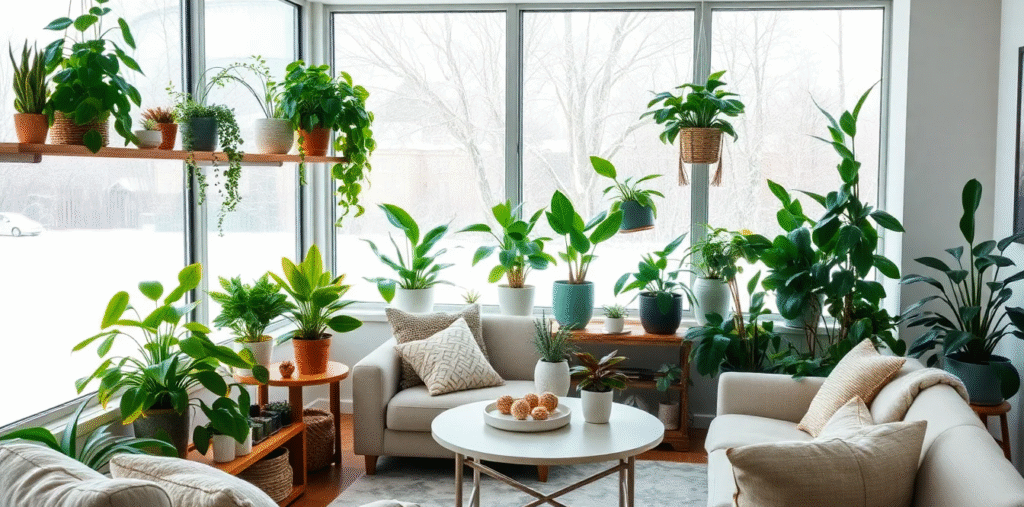
Walking into a room that has been thoughtfully styled with indoor plants is like taking a deep, clean breath. There is an instant shift in energy—the air feels lighter, the colors look sharper, and the entire space transitions from a sterile arrangement of furniture into a living, breathing sanctuary. But if you have ever brought home a gorgeous, glossy green fern only to watch it slowly drop all its leaves and turn into a pile of crispy brown twigs, you know that indoor gardening can feel a bit discouraging.
The secret to a thriving indoor jungle is not a magical green thumb. It is simply about matching the right plant to your specific living conditions and your realistic routine. You do not need a greenhouse setup or hours of free time to enjoy the benefits of nature indoors. This guide focuses on the absolute best, most resilient house plants that bring maximum freshness and visual impact to your living space with minimal drama.
The Indestructibles: Indoor Low-Light Champions That Adapt to You
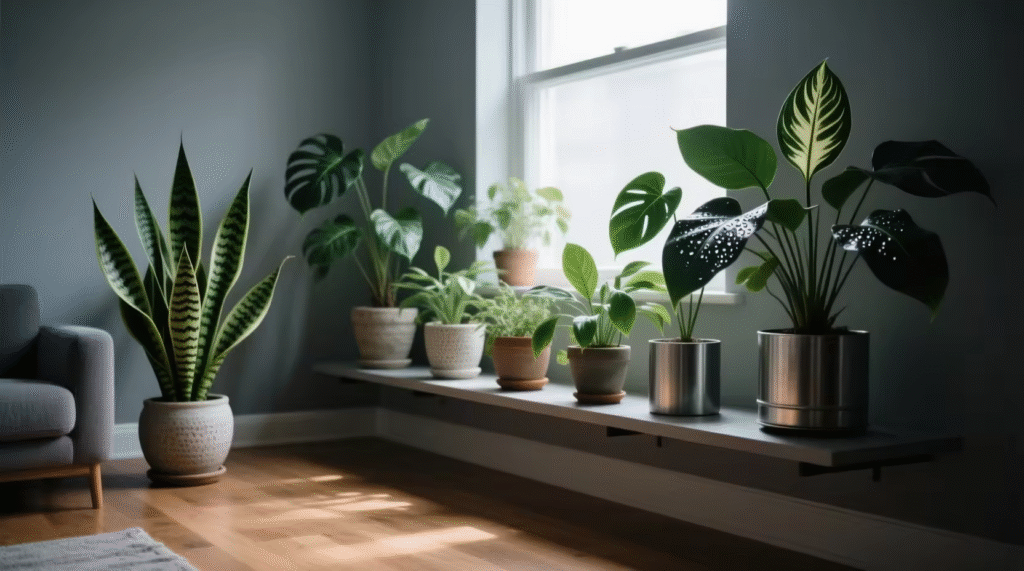
One of the most common challenges in standard apartments and homes is a distinct lack of blinding, bright sunlight. If your windows face a narrow alley or get blocked by a nearby tree, you need plants that view sunlight as an optional luxury rather than a daily requirement.
If you are a self-proclaimed plant killer, start with the Snake Plant (Sansevieria). These striking, architectural plants feature stiff, sword-like leaves that grow straight up, making them incredibly space-efficient for tight corners or narrow shelves. They are famous for their ability to tolerate weeks of total neglect. Because they store water inside their thick, fleshy leaves, overwatering is virtually the only way to harm them. Stick your finger deep into the pot; if the soil feels even slightly damp, walk away. In the winter months, you might only need to water them once every four weeks.
Another champion of the dim corner is the ZZ Plant (Zamioculcas zamiifolia). With its perfectly spaced, intensely shiny green leaves, people will frequently mistake it for a fake plastic plant. Underneath the soil, the ZZ plant grows from thick, potato-like tubers called rhizomes that store water like a subterranean reservoir. It is perfectly content in low-light rooms, offices with artificial lighting, or places where you completely forget it exists for a month.
Cascading Vines: Adding Depth and Movement to Indoor Shelves
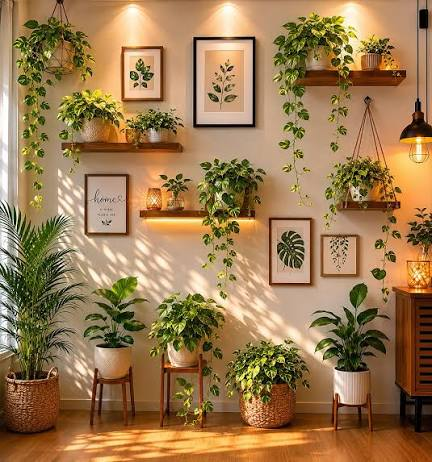
When everything in a room sits at eye level on tables or the floor, a space can feel visually flat. To create that lush, layered look, you need plants that trail, climb, and drape over the edges of bookshelves, cabinets, or hanging planters.
The undisputed king of trailing houseplants is the Pothos (Epipremnum aureum), often affectionately called Devil’s Ivy. Pothos is incredibly fast-growing and deeply rewarding for beginners. Its heart-shaped leaves can be solid green, speckled with cream, or glowing with bright neon yellow tones.
It will happily signal you when it wants a drink by letting its leaves go slightly soft and limp; give it a thorough soak, and within a few hours, it snaps right back to crisp perfection. You can let the vines cascade down a wall, trail along a mantlepiece, or even train them to climb up a small moss pole.
If you want a similar trailing vibe but with a slightly different texture, look into the Heartleaf Philodendron. It looks very similar to a Pothos but features thinner, distinctly heart-shaped leaves and a graceful, delicate growth pattern. It thrives in medium, indirect light and loves a quick misting if your home gets dry during the winter.
The Statement Makers: Bold Foliage for Empty Corners
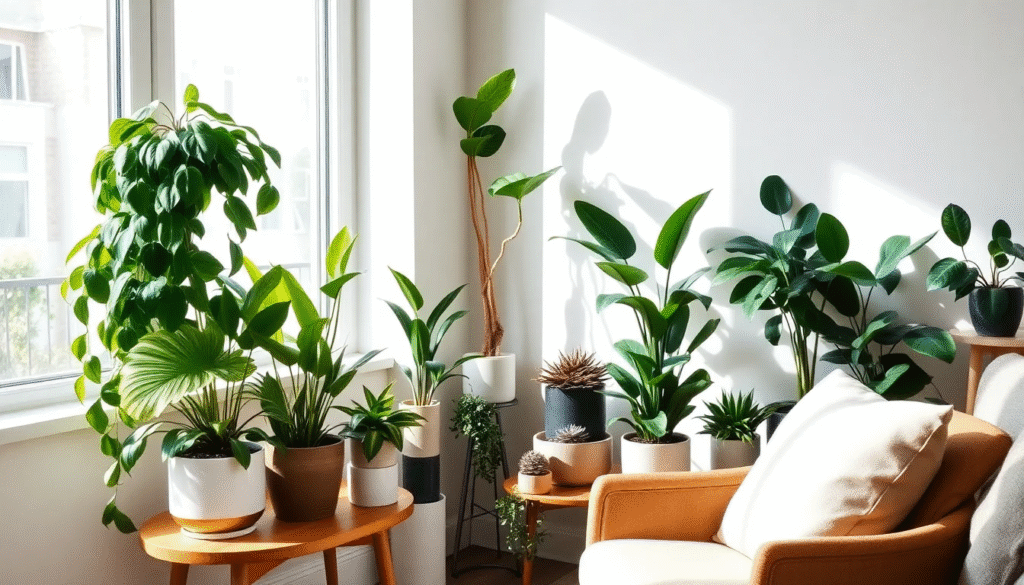
If you have a wide, empty corner next to a window that is begging for something spectacular, skip the bulky floor lamp or another side table. A large-leafed statement plant can instantly anchor an entire room and act as a living piece of art.
For a bright space, the Monstera Deliciosa (the Swiss Cheese Plant) is the ultimate designer choice. As a Monstera matures, its giant, vibrant green leaves naturally develop deep splits and holes—a process called fenestration. It gives an immediate tropical, mid-century modern aesthetic to any living room. Monsteras grow relatively quickly, so give them plenty of room to stretch out and provide a sturdy stake or trellis for the thick aerial roots to cling to as the plant climbs.
If your style leans a bit more classic and structured, consider the Rubber Plant (Ficus elastica). These plants feature oversized, thick, oval leaves with a stunning glossy sheen. While the traditional variety is dark green, you can find cultivars with deep burgundy leaves or beautiful variegated patches of pink and cream. They prefer bright, indirect sunlight and appreciate a quick wipe down with a damp cloth every few weeks to keep dust off their broad leaves, which helps them absorb more light efficiently.
Elegant Blooms and Pet-Safe Varieties
For those who want a splash of clean, peaceful color without the intense upkeep of typical flowering plants, the Peace Lily (Spathiphyllum) is an excellent option. It pairs deep, lush green foliage with elegant white blooms that look like small sails. Peace lilies are excellent communicative companions because they dramatic drooping behavior when they run out of moisture, making it incredibly easy to learn exactly when to water them.
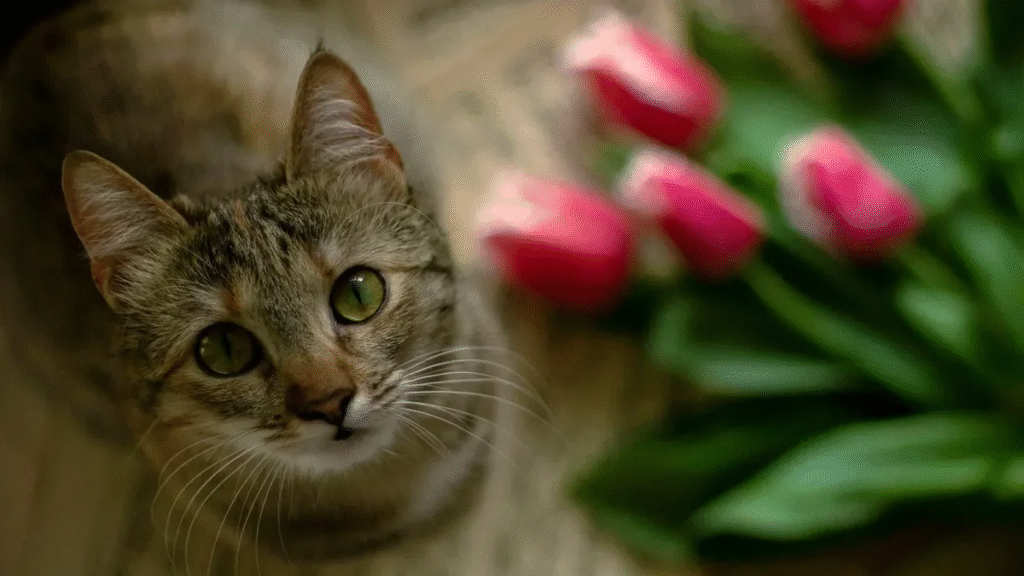
A Crucial Note for Pet Parents: Many incredibly popular indoor plants—including Monsteras, Pothos, Snake Plants, and Peace Lilies—contain mild toxins that can cause mouth irritation or stomach upset if chewed on by curious cats or dogs.
If you have furry roommates who love to nibble on greenery, you want to stick strictly to verified non-toxic choices. The Spider Plant (Chlorophytum comosum) is entirely pet-safe and beautifully dynamic. It features fountain-like, arching green-and-white striped leaves and regularly sends out long shoots covered in tiny, baby “spiderettes” that you can snip off to grow entirely new plants. Another stunning pet-friendly option is the Calathea, prized for its intricate, painted leaf patterns that naturally fold up tightly at night as if in prayer.
The Golden Rules of Beginner Plant Care
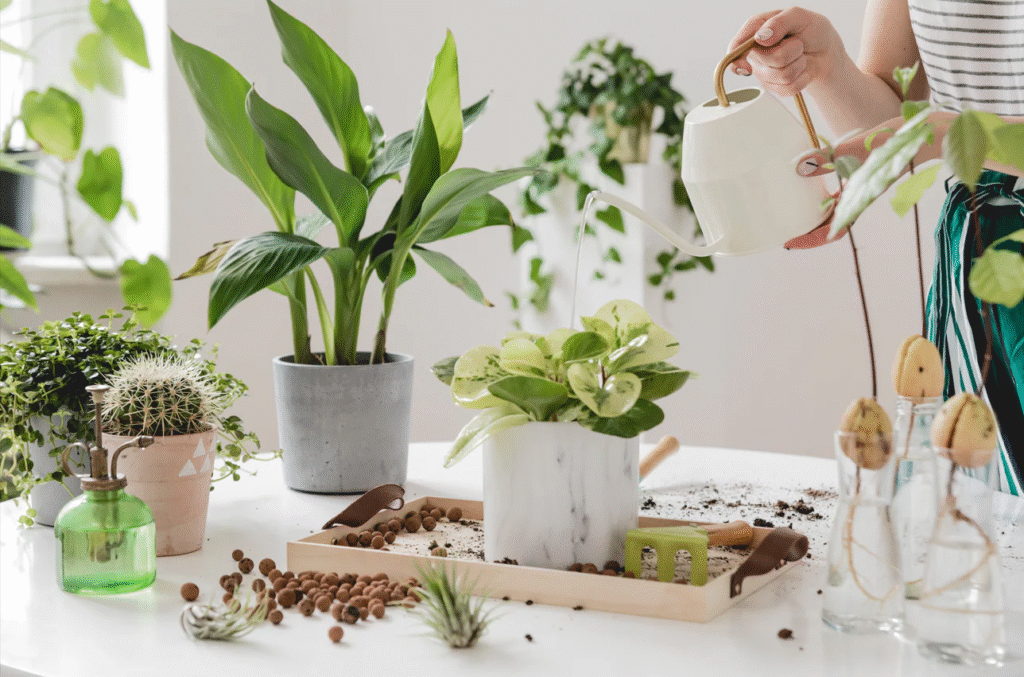
No matter which green companion you choose to bring home, keeping them healthy comes down to mastering four foundational habits:
- Avoid the Calendar Trap: Never water your plants on a rigid weekly schedule. External factors like temperature, humidity, and changing seasons completely alter how fast soil dries out. Always test the soil with your finger or a wooden chopstick before pouring water.
- Prioritize Drainage: Always ensure your pots have holes at the bottom. If water sits pooled at the base of the pot with nowhere to go, the roots will suffocate, turn mushy, and develop fatal root rot.
- Respect the Sun: “Bright light” almost never means harsh, direct afternoon sunlight hitting the leaves through glass, which can scorch them instantly. Think of the dappled, bright light of a forest floor.
- Acclimatize Gradually: Plants dislike sudden shocks. If you move a plant from a dark hallway directly onto a sun-drenched balcony, it will likely drop its leaves in panic. Transition them to new lighting conditions slowly over a week.
Frequently Asked Questions
1.How do I know if my plant needs water without relying on a calendar?
Stick your index finger roughly two inches deep into the soil. If it feels dry and dusty, it’s time to water. If it feels damp or cool, leave it alone. You can also lift the pot; a dry plant feels noticeably lighter than a freshly watered one.
2.What is the difference between overwatering and underwatering symptoms?
Underwatered leaves turn crisp, dry, and brown at the edges. Overwatered leaves usually turn pale yellow, feel soft or mushy at the base, and might drop off while still relatively pliable. Mushy stems are a clear warning sign of drowning roots.
3.Do I really need to use pots with drainage holes?
Yes, drainage is non-negotiable for beginners. Without holes, excess water pools at the bottom of the pot, suffocating the roots and causing fatal root rot. If you love a decorative pot that lacks holes, keep your plant in a plastic nursery pot inside it and remove it to water.
4.How much sunlight does “bright, indirect light” actually mean?
Think of the dappled light on a forest floor. It means placing your plant in a naturally well-lit room where it can see the sky, but out of the direct path of harsh sunbeams that hit the leaves through glass, which can scorch them.
5.Are these indoor plants safe for cats and dogs?
Snake plants, pothos, monsteras, and peace lilies are mildly toxic to pets and can cause mouth irritation or vomiting. If you have curious pets that chew on greenery, stick exclusively to verified safe, non-toxic options like spider plants or calatheas.