
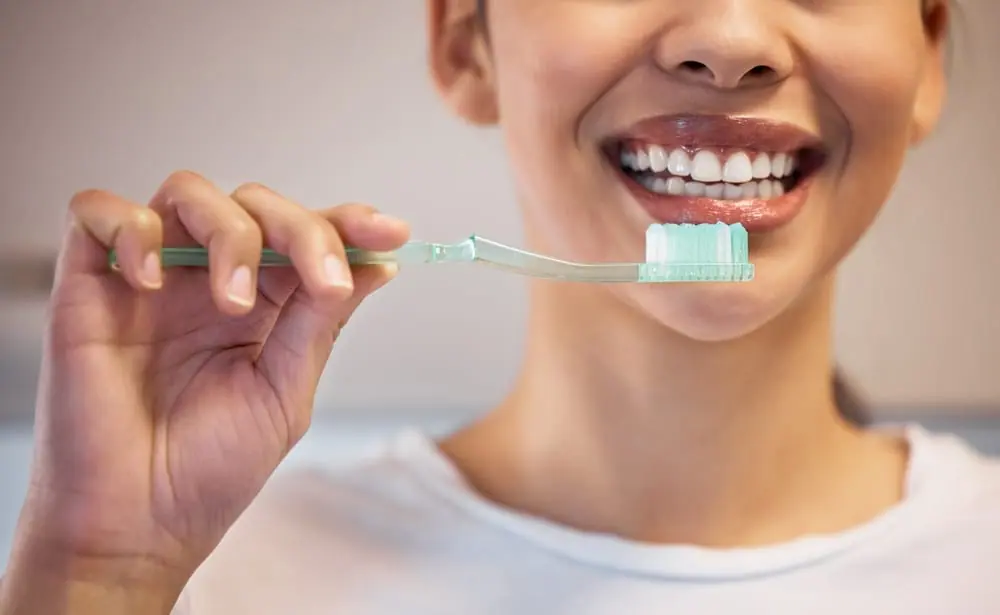
A healthy smile usually comes down to the small things you do every day.Brushing your teeth, cleaning between them, drinking enough water, and looking after your gums may seem like basic habits, but together they form the foundation of good oral hygiene. Oral Care You also don’t need a bathroom shelf packed with products to have a solid routine. Getting the basics right and sticking with them matters much more.
If you’re trying to build a better oral care routine or simply want to improve the one you already have, a few everyday habits can go a long way toward keeping your teeth clean, your gums comfortable, and your breath fresh.
What Is an Oral Care Routine?
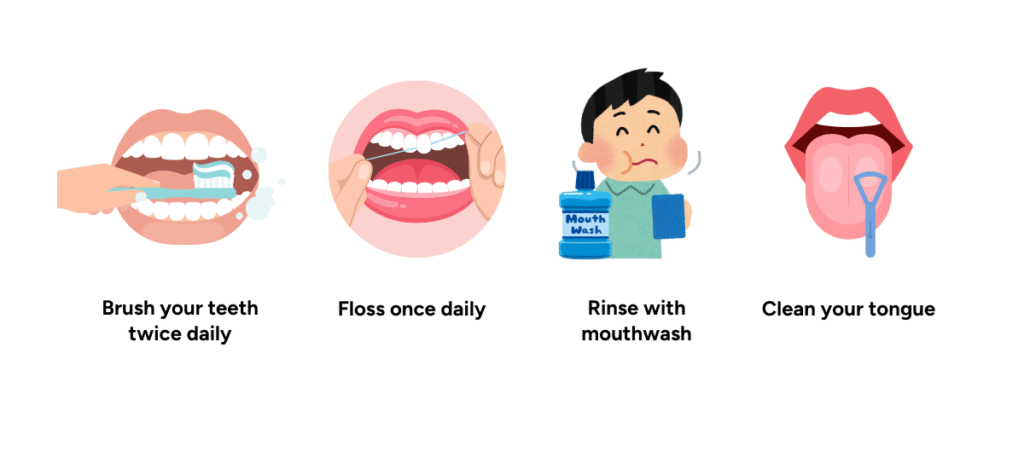
An oral care routine is simply the collection of habits you follow to keep your teeth, gums, tongue, and mouth clean.
For most people, that means brushing twice a day, cleaning between the teeth, paying attention to the tongue and gums, and keeping up with regular dental visits. Your routine can also change depending on your dental needs, lifestyle, and advice from your dentist.
The important part is finding a routine that fits naturally into your day so it becomes something you do without having to think much about it.
Simple Oral Care Routine at a Glance
| Habit | When to Do It | Why It Matters |
|---|---|---|
| Brush your teeth | Morning and before bed | Helps remove plaque and food debris |
| Clean between teeth | Daily | Reaches areas a toothbrush may miss |
| Clean your tongue | Daily | Helps remove buildup from the tongue |
| Drink water | Throughout the day | Helps keep the mouth hydrated |
| Use oral care products correctly | As directed | Supports everyday mouth care |
| Limit frequent sugary foods and drinks | Throughout the day | Helps reduce factors linked with tooth decay |
| Check your mouth | Regularly | Helps you notice changes early |
| Visit your dentist | As recommended | Supports professional oral health care |
1. Brush Your Teeth Twice a Day Oral Care
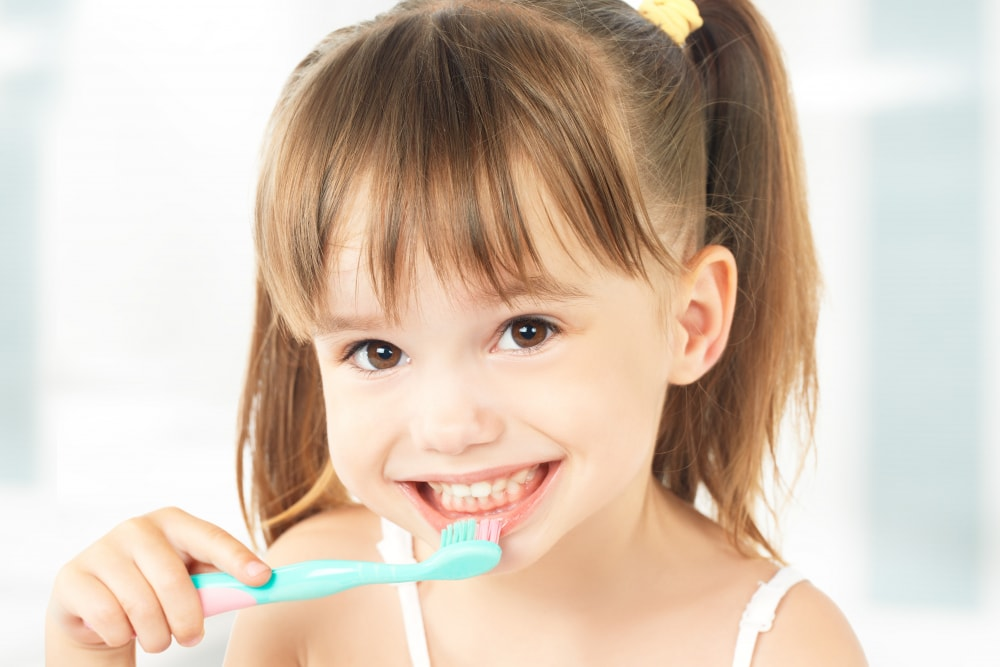
Brushing is the part of your oral care routine that should never get lost in a busy day.
Try to brush in the morning and again before going to bed. A soft-bristled toothbrush and fluoride toothpaste are commonly recommended unless your dental professional has suggested something different for you.
When brushing, slow down enough to cover the different areas of your mouth. Pay attention to the front and back of your teeth, the chewing surfaces, and the areas close to the gumline.
There is also no prize for brushing harder. Pressing too firmly can irritate your gums, while gentle and thorough brushing can clean your teeth effectively.
2. Don’t Forget Between Your Teeth
Your toothbrush does a good job on the surfaces it can reach, but it can’t get into every little space between your teeth.
That’s why cleaning between your teeth is an important part of daily oral care. Floss or another suitable interdental cleaning method can help remove food particles and plaque from those harder-to-reach areas.
If you only reach for floss when something gets stuck, try making it part of your regular routine instead.
Traditional floss isn’t comfortable or convenient for everyone, and that’s okay. If you’re unsure which interdental cleaning option is right for you, your dental professional can help you find one that suits your mouth.
3. Give Your Tongue Some Attention
Your tongue can collect food particles and bacteria throughout the day.
A quick, gentle clean can help remove buildup and leave your mouth feeling cleaner. You can use your toothbrush or a tongue cleaner, depending on what feels comfortable for you.
Keep the pressure light. There’s no need to scrub your tongue aggressively.
4. Keep Your Mouth Hydrated

Water is one of the simplest things you can add to your oral care routine.
Having water throughout the day can help your mouth feel comfortable and can help wash away leftover food particles after eating and drinking.
If your mouth regularly feels unusually dry or the problem continues for a while, it’s worth mentioning it to a dental or healthcare professional. Persistent dry mouth can have different causes and may need further attention.
5. Pay Attention to What You Eat and Drink Oral Care
Your oral health isn’t only about what happens in the bathroom. What you eat and drink throughout the day matters too.
Frequently having sugary foods and drinks can contribute to tooth decay. One practical approach is to pay attention to how often sugary items appear during the day rather than focusing on a single food or drink.
A few easy habits can include:
- Choosing water more often
- Keeping sugary drinks as an occasional option
- Eating balanced meals
- Being aware of frequent snacking
- Drinking or rinsing with water after eating when appropriate
There’s no need to turn every meal into a complicated health project. Small, sensible choices are much easier to maintain over time.
6. Make Fresh Breath Part of Your Routine
Fresh breath is often connected to everyday oral hygiene.
Mints and breath fresheners can provide a temporary change, but they don’t replace cleaning your teeth and mouth properly. Brushing, cleaning between your teeth, gently cleaning your tongue, drinking water, and keeping up with dental care are all useful parts of a fresh-breath routine.
If bad breath sticks around despite good oral hygiene, don’t simply keep covering it up. Talk to a dental professional, as persistent bad breath can have several possible causes.
7. Choose Oral Care Products Carefully
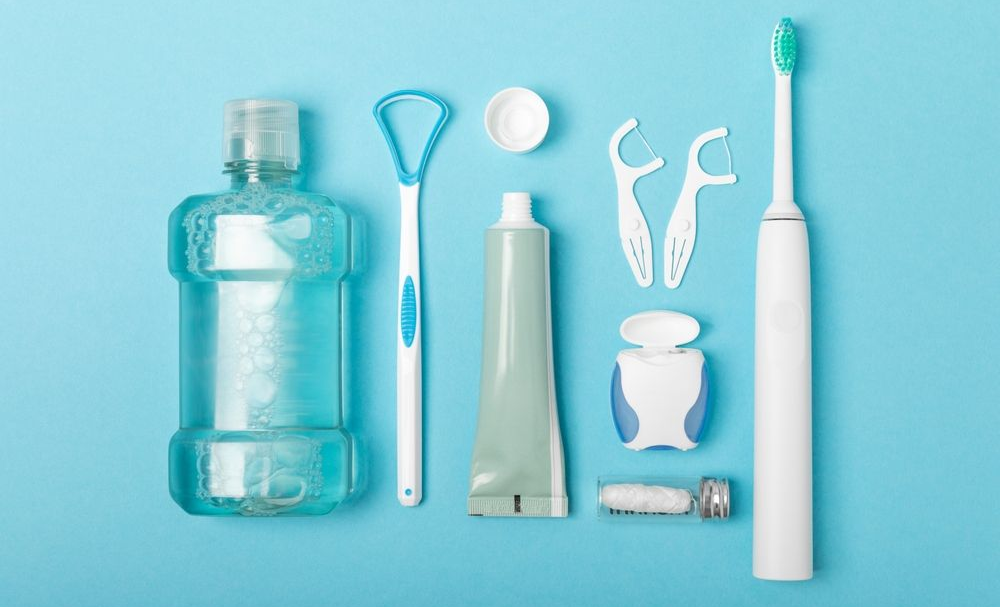
It’s surprisingly easy to collect more oral care products than you actually use.
There are toothpastes for different concerns, several types of mouthwash, whitening products, electric brushes, floss, interdental cleaners, tongue cleaners, and plenty of other options.
You don’t have to use all of them.
Start with the basics and choose products that make sense for your own needs. If you have sensitive teeth, gum concerns, braces, dental restorations, or another specific issue, your dentist can recommend products that are more appropriate for you.
| Product | What to Consider |
|---|---|
| Toothbrush | Soft bristles and a comfortable size |
| Toothpaste | Fluoride and your specific oral needs |
| Dental floss | Comfortable enough for daily use |
| Interdental cleaner | Useful for spaces that need additional cleaning |
| Mouthwash | Choose based on your needs and professional advice |
| Tongue cleaner | Simple design that’s comfortable to use |
8. Replace Your Oral Care Toothbrush When It Wears Out
Your toothbrush works hard, and its bristles won’t stay in perfect condition forever.
Take a look at the bristles from time to time. If they’re looking worn, bent, or frayed, it may be time for a replacement. For electric toothbrush users, follow the manufacturer’s guidance for changing the brush head.
It’s also a good idea to rinse your toothbrush after use and store it somewhere clean where it can dry properly.
9. Keep Your Morning Routine Simple
Mornings can be hectic. Between getting ready, preparing breakfast, checking messages, and heading out the door, oral care needs to be easy enough to fit into the routine.
A simple morning approach could be:
- Brush your teeth.
- Gently clean your tongue if you include this in your routine.
- Clean between your teeth if you prefer doing it in the morning.
- Drink some water.
- Get on with the rest of your morning.
There’s no single routine that works perfectly for everyone. What matters is finding an approach you can follow consistently.
10. Give Your Nighttime Routine Extra Attention Oral Care

Your evening oral care routine is your last chance to clean your mouth before heading to sleep.
Before bed, brush your teeth thoroughly and clean between them. You can also gently clean your tongue and follow any additional instructions your dentist has given you.
Once you’ve finished your nighttime routine, try not to turn the rest of the evening into a series of snacks and sugary drinks.
A consistent bedtime routine can make oral care feel less like another task and more like a normal part of getting ready for sleep.
Oral Care Habits for Children
Good oral hygiene habits can begin when children are young.
Parents and caregivers can help children learn how to brush regularly and gradually encourage them to take more responsibility as they get older. Keeping brushing connected to familiar routines, such as getting ready in the morning and preparing for bed, can make the habit easier to remember.
For younger children, follow age-appropriate dental guidance and ask a dental professional about suitable brushing techniques and oral care products.
The main idea is to make oral hygiene feel like an ordinary part of the day rather than something children only do when there’s a problem.
Common Oral Care Mistakes

Even a regular routine can have a few weak spots. Here are some common habits worth watching.
Brushing Too Hard
Putting more pressure on your toothbrush doesn’t mean your teeth will be cleaner. Aggressive brushing can irritate the gums and may contribute to tooth wear.
Skipping Between-Teeth Cleaning
A toothbrush can’t reach every space between your teeth. Leaving those areas out of your routine means some plaque and food debris may remain behind.
Rushing Through Brushing
When you’re running late, it’s tempting to rush. However, brushing too quickly can mean missing certain areas of your mouth.
Using Too Many Products
A complicated routine can become difficult to maintain. It’s better to have a few products you use correctly and consistently than a cabinet full of products you rarely touch.
Ignoring Changes in Your Mouth
Don’t brush off ongoing changes such as bleeding gums, swelling, tooth sensitivity, mouth discomfort, sores, or other unusual symptoms. If something continues or concerns you, bring it up with a dental professional.
When Should You See a Dentist?

Regular dental appointments are an important part of looking after your oral health.
You should also seek professional advice if you notice problems that continue or don’t seem normal for you, such as:
- Persistent tooth pain
- Swollen or painful gums
- Frequent gum bleeding
- Ongoing bad breath
- Unusual tooth sensitivity
- Loose or damaged teeth
- Mouth sores that don’t heal
- Other changes that concern you
A dental professional can examine the issue and suggest care based on what’s happening in your mouth.
A Simple Daily Oral Care Checklist
| Time | Oral Care Habit |
|---|---|
| Morning | Brush teeth |
| Morning/Daytime | Drink water regularly |
| Daily | Clean between teeth |
| Daily | Clean tongue gently |
| After meals | Rinse with water when appropriate |
| Evening | Brush teeth before bed |
| Regularly | Check toothbrush condition |
| As recommended | Visit your dental professional |
FAQ’S
1. What is a good daily oral care routine?
A basic routine includes brushing twice a day, cleaning between your teeth daily, gently cleaning your tongue, drinking water, and keeping up with regular dental care.
2. How often should I brush my teeth?
Brushing twice a day, including before bed, is a common part of a daily oral hygiene routine. Use a soft-bristled toothbrush and fluoride toothpaste unless your dentist recommends otherwise.
3. Why is cleaning between your teeth important?
Cleaning between your teeth helps reach areas that a toothbrush cannot properly clean. Floss or another suitable interdental cleaner can help remove food particles and plaque from these spaces.
4. Should I clean my tongue every day?
Gentle tongue cleaning can help remove buildup from the tongue and leave your mouth feeling cleaner. A toothbrush or tongue cleaner can be used without applying excessive pressure.
5. How can I keep my breath fresh?
Regular brushing, cleaning between your teeth, gently cleaning your tongue, drinking water, and maintaining dental care can all support fresher breath.