

If your skin reacts to almost everything, building a skincare routine can feel like a guessing game.Sensitive Skin A new cleanser looks promising, but after a few uses your cheeks feel tight. You try a popular serum because everyone online seems to love it, and suddenly your skin is red and uncomfortable.
Even a hot afternoon, a cold breeze, or a long day outside can change the way your face feels.
That’s the frustrating part about sensitive skin. It can be unpredictable.
But skincare doesn’t have to become complicated just because your skin is sensitive. In many cases, a simple routine is a much better place to begin than a shelf full of powerful products.
Think about the basics first: a gentle cleanser, a moisturizer that feels comfortable, and reliable sun protection. Once those are working well for you, you can decide whether you actually need anything else.
The right routine isn’t necessarily the one with the most steps. It’s the one your skin can comfortably live with.
What Is Sensitive Skin?

Sensitive skin generally describes skin that reacts easily to products, weather, heat, friction, or other environmental factors.
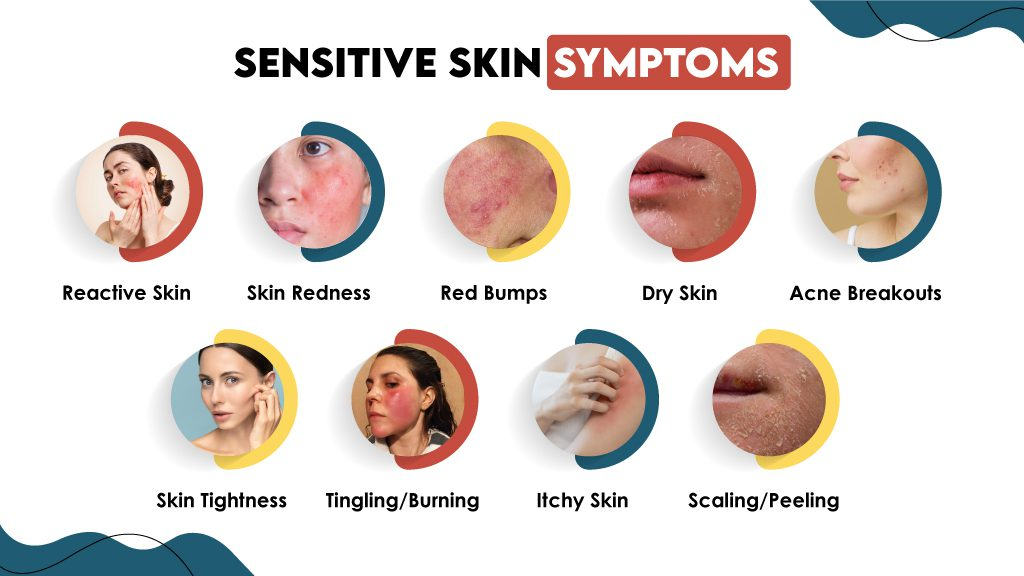
You might notice that your skin:
- Becomes red easily
- Feels tight after washing
- Stings when you apply certain products
- Gets itchy or uncomfortable
- Becomes dry or flaky
- Develops rough patches
- Feels unusually warm after using skincare
You may also find that your skin behaves differently throughout the year.
A routine that feels perfectly fine during cooler months might suddenly feel uncomfortable when the weather becomes hot and humid. Likewise, cold and dry weather can leave your skin feeling much more delicate.
So rather than trying to fit your skin into a fixed category, pay attention to what it’s telling you.
Why Does Sensitive Skin React So Easily?
There can be several reasons.
For some people, naturally reactive skin is simply part of their skin type. For others, sensitivity can become noticeable after using harsh cleansers, strong treatments, frequent exfoliation, or too many products.
Your surroundings can play a role as well.
Sun exposure, dry air, cold temperatures, heat, humidity, and even frequent sweating can affect how comfortable your skin feels.
Then there are everyday habits.
Washing your face several times a day, using very hot water, rubbing your face with a rough towel, or constantly switching between skincare products can make irritation more likely.
If your skin frequently develops a rash, swelling, severe itching, or painful reactions, it’s a good idea to consult a dermatologist. Persistent reactions may need more than a change in skincare products.
The Best Sensitive Skin Care Routine
When you’re dealing with sensitive skin, start with the basics.
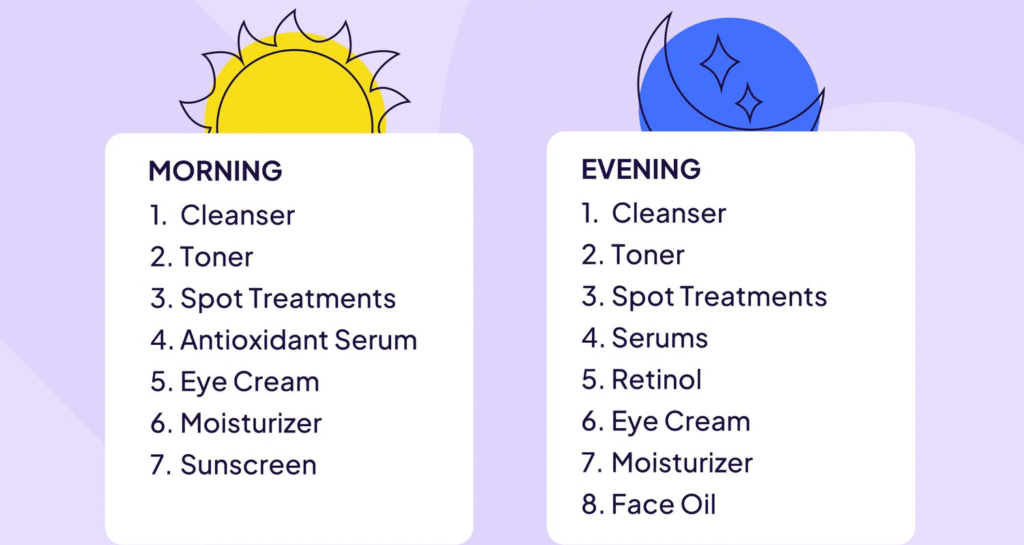
A simple routine can be:
Cleanse → Moisturize → Protect
That’s your foundation.
There’s plenty of room to add other products later, but your skin should feel comfortable with these basic steps first.
1. Begin With a Gentle Cleanser
A cleanser should leave your face clean—not stripped.
Look for a mild formula that removes sweat, dirt, excess oil, sunscreen, and makeup without leaving your skin feeling dry or tight.
If fragrance tends to bother your skin, a fragrance-free cleanser may be worth considering.
When washing your face, keep the process gentle. Use lukewarm water, massage the cleanser with your fingertips, and rinse thoroughly.
There’s no prize for scrubbing harder.
Afterward, gently pat your face dry with a clean, soft towel.
If your skin feels uncomfortable immediately after cleansing, take that seriously. Your cleanser may be too drying for your skin.
2. Find a Moisturizer Your Skin Likes
Moisturizer can make a big difference when your skin tends to feel dry or irritated.
A good moisturizer helps keep your skin hydrated and supports the skin barrier.
When reading ingredient labels, you may come across:
- Ceramides
- Glycerin
- Panthenol
- Hyaluronic acid
- Squalane
These ingredients are commonly used in moisturizing skincare.
Your ideal moisturizer will depend on your skin.
If you’re oily, a lightweight lotion or gel-cream might feel better. If your skin is dry, you may prefer a richer cream.
There’s no need to choose the thickest formula simply because your skin is sensitive. Comfort matters more than texture.
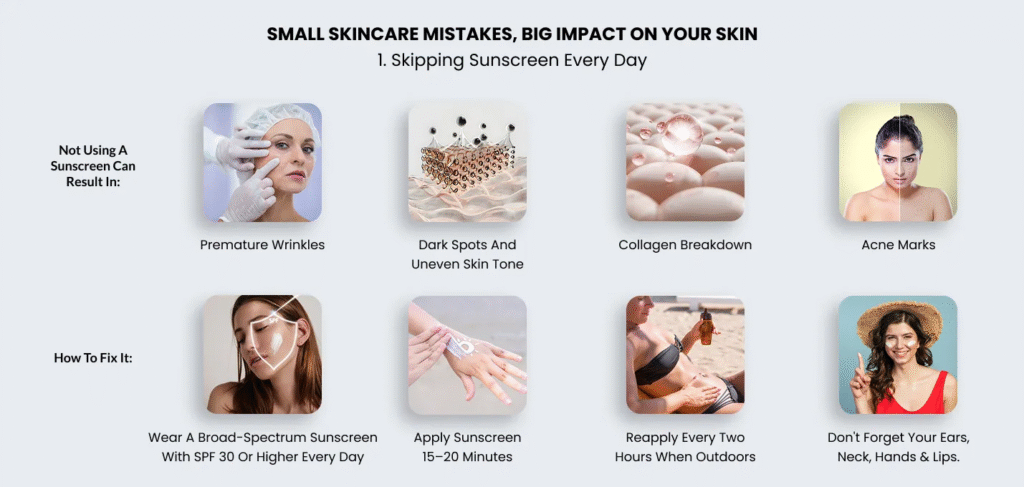
3. Make Sunscreen Part of Your Morning
Sunscreen isn’t just for vacations.
UV exposure happens during everyday activities too, whether you’re walking to work, sitting near a sunny window, shopping outdoors, or spending an afternoon outside.
Choose a broad-spectrum sunscreen with SPF 30 or higher that your skin tolerates comfortably.
If regular sunscreen tends to sting, some people find mineral formulas containing zinc oxide or titanium dioxide more comfortable.
Everyone’s skin is different, though. The best sunscreen is one you can use consistently without irritation.
When you’re outside for longer periods, add other forms of protection too—such as sunglasses, a hat, shade, or protective clothing.
4. Keep Your Evening Routine Simple
Your nighttime routine doesn’t need to look like a beauty influencer’s bathroom shelf.
For many people, a straightforward routine is enough:
Cleanser → Moisturizer
Remove makeup and sunscreen properly, cleanse gently, and follow with moisturizer.
Once this routine feels comfortable, you can consider adding another product for a specific concern.
One at a time is the key.
If you introduce several new products together and your skin suddenly becomes irritated, you’ll have no idea which one caused the problem.
Ingredients Worth Knowing for Sensitive Skin
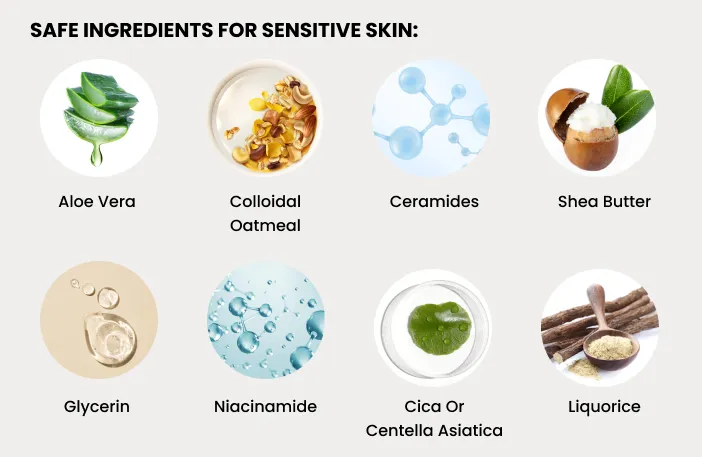
There’s no universal ingredient that works for every sensitive-skin type.
Still, a few familiar ingredients appear frequently in gentle and hydrating products.
Ceramides
Ceramides are naturally found in the skin and are commonly included in moisturizers that support the skin barrier.
They’re especially popular in products designed for dry or sensitive skin.
Glycerin
Glycerin is a humectant that helps attract and retain moisture.
It’s found in many cleansers, moisturizers, and other hydrating products.
Panthenol
Panthenol is commonly used in skincare formulas for its moisturizing properties and is often found in products designed for dry or easily irritated skin.
Squalane
Squalane is used in creams, moisturizers, and facial oils.
It can give skincare a smooth, comfortable feel without necessarily feeling heavy.
Hyaluronic Acid
Hyaluronic acid is another popular hydration-focused ingredient.
You’ll find it in plenty of serums and moisturizers. If you use a hydrating serum, applying moisturizer afterward can help keep your routine balanced.
Ingredients to Approach Slowly

Sensitive skin doesn’t mean you have to avoid every active ingredient.
It does mean that introducing stronger products deserves a little more care.
Depending on the person, irritation can occur with products containing:
- Strong exfoliating acids
- High-strength retinoids
- Heavy fragrance
- Essential oils
- Rough physical exfoliants
- Strongly scented masks
- Several active ingredients used together
The important thing is not to label every ingredient as “bad.”
Your skin may tolerate something that causes irritation for somebody else.
Introduce new products gradually and pay attention to how your skin responds.
Patch Test New Products
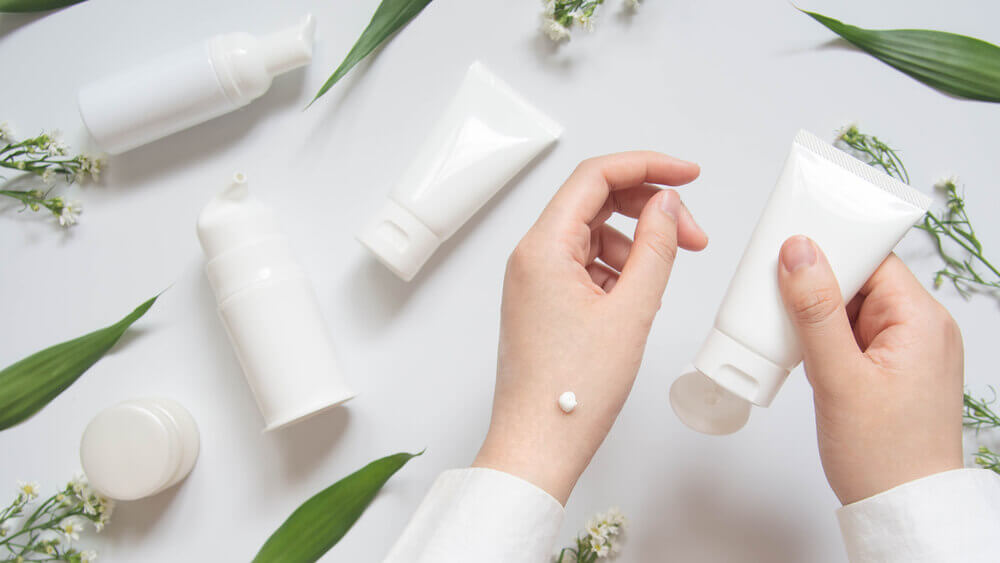
When you buy a new skincare product, it’s tempting to put it straight onto your entire face.
With sensitive skin, taking a slower approach can be helpful.
Try a small amount on a limited area first and watch for signs of irritation.
If you notice significant burning, swelling, hives, or another concerning reaction, stop using the product and seek medical advice.
A patch test isn’t a guarantee that you’ll never react, but it can be a useful precaution before committing to a new product.
Everyday Sensitive Skin Care Tips
Good skincare isn’t only about the products you buy.
Your everyday habits matter too.
Stop Changing Your Routine Every Few Days
If your skincare routine changes constantly, it becomes almost impossible to figure out what works.
Try giving your basic routine some consistency.
When you introduce something new, add it separately so you can see how your skin responds.
Skip the Aggressive Scrubbing

Your skin doesn’t need to be scrubbed until it feels squeaky.
Rough exfoliating gloves, harsh brushes, and vigorous towel drying can all be unnecessarily irritating.
Use gentle movements instead.
Don’t Go Overboard With Exfoliation
Exfoliation can make skin feel smoother, but sensitive skin may not appreciate frequent treatments.
If your face is already red, dry, flaky, or uncomfortable, adding another exfoliating product isn’t likely to make things better.
Give your skin a chance to settle down first.
Look After Your Skin Barrier
Your skin barrier is an important part of keeping your skin protected and hydrated.
When it becomes irritated, even products that normally feel fine may suddenly sting.
If your face starts feeling unusually tight or basic skincare products begin burning, consider simplifying your routine.
Sometimes taking a step back is more useful than adding another treatment.
Turn Down the Water Temperature

A hot shower can feel amazing after a long day.
Your skin may not agree.
Very hot water can leave the skin feeling dry, so lukewarm water is generally a gentler option when washing your face.
Give Your Pillowcase Some Attention
Your pillowcase spends hours touching your face.
Over time, it can collect sweat, oil, hair products, and skincare residue.
Changing it regularly is a simple habit that keeps your sleeping environment fresher.
Be Careful With Social Media Skincare Advice
Beauty content can be useful, but it can also make skincare seem much more complicated than it needs to be.
Someone else’s glowing skin doesn’t mean their entire routine will work for you.
Take inspiration, but make your own skin the final judge.
How to Choose Products for Sensitive Skin
Shopping for skincare can be overwhelming.
There are products for glow, texture, pores, hydration, firmness, brightness, acne, and just about everything else.
When your skin is sensitive, start by asking a simpler question:
Will this product be comfortable for my skin?
Look for:
- Gentle formulas
- Fragrance-free products when fragrance is irritating
- Hydrating ingredients
- Barrier-supporting ingredients
- Products made for sensitive skin
- Simple routines that are easy to maintain
Be cautious with:
- Strong fragrances
- Harsh scrubs
- Too many active ingredients
- Aggressive exfoliating formulas
- Products making unrealistic claims
- Constant product switching
A product doesn’t have to be expensive or trendy to be useful.
If a simple moisturizer keeps your skin comfortable, that’s more valuable than a fancy product that leaves your face irritated.
A Simple Morning Routine
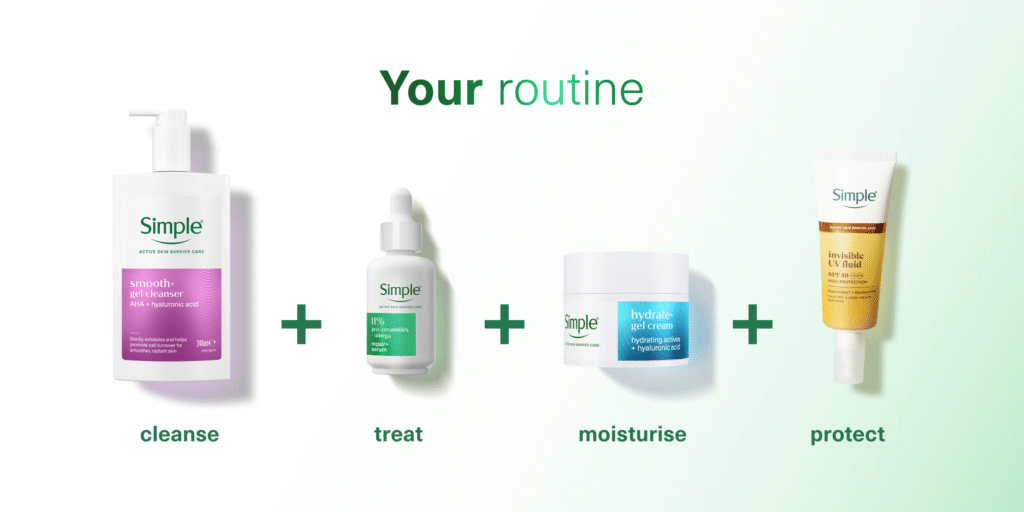
Here’s an easy starting point for the morning.
Cleanse
Use a gentle cleanser if your skin needs it. Some people prefer simply rinsing with water in the morning, depending on their skin and nighttime routine.
Moisturize
Apply a moisturizer that feels comfortable and doesn’t leave your skin overly dry or greasy.
Sunscreen
Finish with broad-spectrum SPF 30 or higher.
That’s it.
If you want to use a serum, you can add one later after you’ve established a comfortable basic routine.
A Simple Night Routine
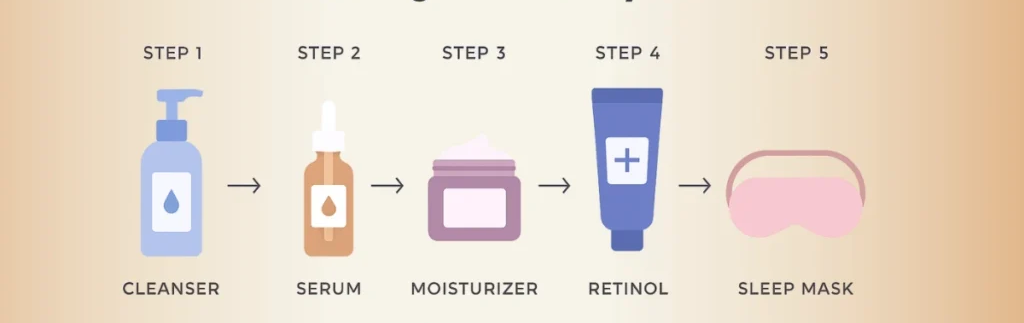
At night, focus on cleaning away the day and keeping your skin comfortable.
Remove Makeup and Sunscreen
If you’ve worn makeup or water-resistant sunscreen, use a suitable first cleansing step.
Cleanse
Gently wash your face.
Moisturize
Apply your moisturizer while your skin still feels slightly hydrated.
If you eventually add a treatment, introduce only one new active at a time.
Sensitive Skin Can Still Be Oily

Sensitive skin isn’t automatically dry.
You can have sensitive skin that is oily, dry, combination, or acne-prone.
Your routine should take both characteristics into consideration.
Sensitive and Dry Skin
Dry sensitive skin usually benefits from gentle cleansing and regular moisturizing.
A richer cream may feel more comfortable than a lightweight lotion.
Sensitive and Oily Skin
Oily skin still needs hydration.
A lightweight moisturizer can provide moisture without making your face feel overly heavy.
Try not to compensate for oiliness by washing your face repeatedly.
Sensitive and Combination Skin

You might have an oily forehead and nose while your cheeks feel dry.
In that case, keep your routine balanced and adjust the amount of moisturizer according to what different areas need.
Sensitive and Acne-Prone Skin
Acne products can contain active ingredients that cause dryness or irritation.
Introduce them gradually and seek professional advice if acne is persistent, painful, or leaving noticeable marks.
Sensitive Skin Care Mistakes to Avoid

Even people with good skincare habits can accidentally overdo things.
Using Too Many Products
A bathroom shelf packed with products doesn’t automatically equal better skin.
Build your routine around what your skin actually needs.
Scrubbing Flaky Skin
Flakes can be tempting to scrub away.
But aggressive exfoliation can make irritation worse.
Skipping Sunscreen
Daily sun protection is an important part of caring for your skin.
Find a formula you can comfortably use and make it part of your morning routine.
Trying Every Viral Product
Trends move quickly.
Your skin doesn’t have to keep up with all of them.
Expecting Instant Results
Skincare usually requires consistency.
Instead of looking for overnight changes, give your routine time and pay attention to how your skin feels over the longer term.
When Is It Time to See a Dermatologist?

Sensitive skin can usually be managed with gentle habits and appropriate products, but persistent or severe reactions deserve professional attention.
Consider speaking with a dermatologist if you experience:
- Redness that doesn’t settle
- Frequent rashes
- Severe itching
- Facial swelling
- Strong or persistent burning
- Painful or cracked skin
- Reactions to many different products
- Persistent or painful acne
A dermatologist can help identify whether what you’re calling “sensitive skin” could actually be another skin condition that needs specific treatment.
Frequently Asked Questions
1. What is the best routine for sensitive skin?
A gentle cleanser, moisturizer, and broad-spectrum sunscreen make a simple starting routine for sensitive skin.
2. Which ingredients are good for sensitive skin?
Ceramides, glycerin, panthenol, hyaluronic acid, and squalane are commonly found in gentle, hydrating skincare products.
3. Should sensitive skin use exfoliators?
Exfoliators can be irritating for some people with sensitive skin. Introduce them carefully and avoid over-exfoliating.
4. How should I test a new skincare product?
Apply a small amount to a limited area first and watch for signs of irritation before using it more widely.
5. When should I see a dermatologist for sensitive skin?
See a dermatologist if you experience persistent redness, severe itching, swelling, painful reactions, or repeated skin rashes.