

Beauty and personal care are important parts of a healthy daily routine. Taking care of your skin, hair, and body can help you feel comfortable, confident, and refreshed. You do not need an expensive collection of beauty products to maintain a good routine. Simple habits, suitable products, balanced nutrition, and consistency can make personal care easier to manage.
Everyone has different skin types, hair textures, and personal preferences. Beauty Tips The best beauty routine is one that suits your individual needs and fits comfortably into your daily life. In this guide, discover practical tips for healthy-looking skin, manageable hair, personal hygiene, and everyday beauty.
1. Follow a Simple Daily Skincare Routine
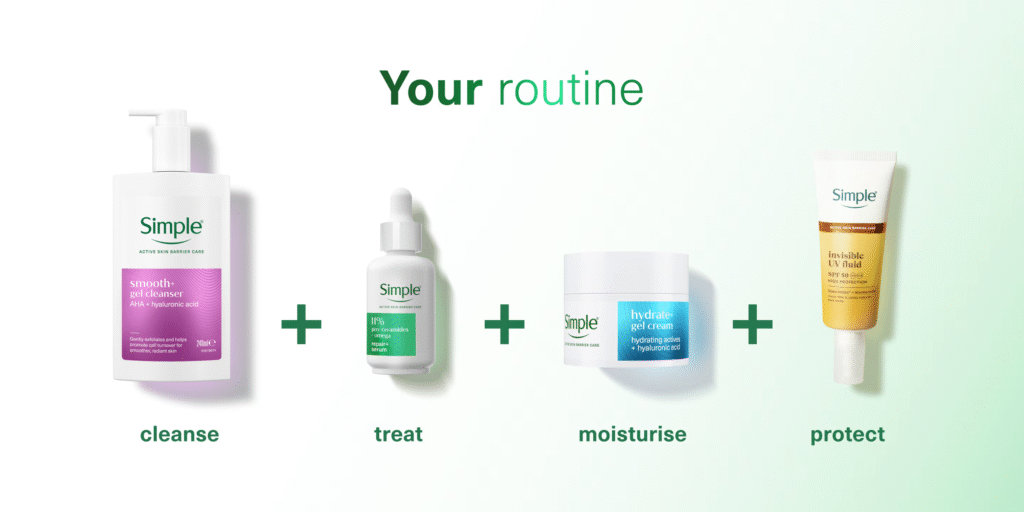
A consistent skincare routine helps keep your skin clean, comfortable, and hydrated. You do not need to use many products to build an effective routine. Start with a few essentials and adjust them according to your skin type.
A basic daily skincare routine includes:
- Cleanser: Use a gentle cleanser to remove dirt, sweat, excess oil, and makeup.
- Moisturizer: Apply a moisturizer that suits your skin to help maintain its moisture barrier.
- Sunscreen: Use broad-spectrum sunscreen with SPF 30 or higher on exposed skin during the day.
- Nighttime care: Clean your skin before sleeping and apply moisturizer if needed.
Avoid scrubbing your face too aggressively or introducing several active ingredients at once. If a product causes persistent irritation, discontinue it and seek professional advice when necessary.
2. Understand Your Skin Type
Choosing products according to your skin type can make your routine more comfortable and effective. Skin may also change with weather, age, hormones, and other factors.
Common skin types
- Oily skin: Often produces excess sebum and may appear shiny. A gentle cleanser and lightweight, non-comedogenic moisturizer may help.
- Dry skin: Can feel tight, rough, or flaky. Cream-based moisturizers and gentle cleansing may improve comfort.
- Combination skin: May have an oily T-zone and drier cheeks. Different areas may benefit from slightly different products.
- Sensitive skin: May react easily to fragrances or certain ingredients. Fragrance-free products and patch testing can be helpful.
- Normal skin: Usually feels reasonably balanced but still benefits from gentle cleansing, moisturizing, and sun protection.
Skin types are not fixed, and having oily skin does not mean you should skip moisturizer. Choose products based on how your skin responds rather than following every trending skincare routine.
3. Make Sunscreen a Daily Habit
Sun protection is an important part of maintaining healthy skin. Ultraviolet radiation can contribute to sunburn, premature skin aging, and an increased risk of skin cancer.
Follow these practical sunscreen tips:
- Choose a broad-spectrum sunscreen with SPF 30 or higher.
- Apply it generously to exposed skin before going outdoors, following the product instructions.
- Reapply approximately every two hours when outdoors and after swimming or heavy sweating, according to the label.
- Wear protective clothing, sunglasses, and a hat when appropriate.
- Seek shade when sunlight is particularly strong.
Sunscreen is useful even when the weather is cloudy because ultraviolet radiation can still reach your skin. If you have a skin condition or need specific sun protection advice, consult a qualified healthcare professional.
4. Keep Your Hair Clean and Well-Maintained
Healthy-looking hair begins with a routine that suits your scalp, hair texture, and lifestyle. Washing too frequently or too rarely can cause discomfort for some people, so adjust your schedule according to oiliness, sweat, and product buildup.
Helpful haircare habits include:
- Use a shampoo suited to your scalp and hair needs.
- Apply conditioner mainly to the lengths and ends if your hair tends to become oily at the roots.
- Avoid vigorous rubbing with a towel after washing.
- Use a wide-tooth comb to gently detangle wet hair when appropriate.
- Limit excessive heat styling and use a suitable heat protectant.
- Avoid hairstyles that repeatedly pull tightly on the hair.
If you experience persistent itching, scalp inflammation, sudden hair loss, or unusual shedding, seek advice from a dermatologist rather than relying only on home remedies.
5. Maintain a Healthy Scalp
Scalp care is just as important as caring for the visible lengths of your hair. An uncomfortable scalp may affect your daily routine and make your hair more difficult to manage.
To support scalp health, wash your hair regularly according to your needs and rinse shampoo thoroughly. Avoid applying heavy oils or styling products if they worsen itching, flaking, or greasiness.
Dandruff shampoos containing ingredients such as ketoconazole, selenium sulfide, or zinc pyrithione may help some people, depending on the product and local availability. Follow the label instructions and consult a healthcare professional if symptoms persist or become severe.
There is no single washing schedule or hair oil that works for everyone. Choose products based on your scalp condition and avoid treatments that cause irritation.
6. Support Beauty With Balanced Nutrition
Your diet provides nutrients that support normal skin, hair, and nail function. No single food can guarantee clear skin or prevent hair loss, but a varied, balanced diet helps meet your body’s nutritional needs.
Include a variety of foods such as:
- Protein-rich foods: Eggs, lentils, beans, dairy products, tofu, fish, or other suitable protein sources.
- Fruits and vegetables: Provide vitamins, minerals, and other beneficial nutrients.
- Nuts and seeds: Offer healthy fats and minerals.
- Whole grains: Supply energy, fiber, and a range of nutrients.
- Water: Helps maintain normal hydration.
Avoid taking high-dose beauty supplements without a clear reason. Excess amounts of certain nutrients can be harmful, and supplements may not improve hair or skin concerns if you do not have a deficiency.
7. Stay Hydrated Throughout the Day
Adequate hydration supports normal body functions and can help prevent dehydration-related symptoms. However, drinking extra water beyond your needs is not a guaranteed way to eliminate acne, wrinkles, or other skin concerns.
To maintain hydration:
- Drink water regularly throughout the day.
- Increase fluid intake when you are active or exposed to hot weather.
- Include water-rich foods such as cucumbers, oranges, and melons.
- Carry a reusable water bottle if it helps you remember to drink.
- Pay attention to thirst and your individual needs.
Fluid requirements vary according to activity, climate, health, and diet. Follow medical guidance if you have been advised to restrict fluids.
8. Practice Good Personal Hygiene
Personal hygiene helps you stay comfortable and reduces the spread of many germs. A simple routine is usually sufficient for everyday care.
Important habits include:
- Wash your hands with soap and water regularly.
- Bathe or shower according to your activity level and personal needs.
- Change into clean clothes and underwear regularly.
- Keep your nails clean and trim them carefully.
- Brush your teeth twice daily with fluoride toothpaste.
- Clean makeup brushes and other personal care tools regularly.
- Avoid sharing items such as razors, toothbrushes, and eye makeup.
Use gentle products for sensitive areas and avoid heavily fragranced products if they cause discomfort. Good hygiene should support your body’s natural protective barriers rather than irritate them.
9. Choose Makeup Products Carefully
Makeup can help you express your style, but proper product selection and hygiene are important for skin comfort and eye safety.
Before buying makeup, check the ingredients, intended use, and expiration guidance. Choose products that suit your skin and avoid items that cause redness, itching, or burning.
Follow these makeup tips:
- Cleanse your face before applying makeup.
- Wash makeup brushes and sponges regularly.
- Avoid sharing eye makeup and other products that can transfer germs.
- Remove makeup before sleeping.
- Replace products according to their packaging instructions.
- Avoid using products near the eyes unless they are designed for that area.
If you develop persistent irritation after using a cosmetic product, stop using it. Seek medical advice if symptoms are severe, affect your eyes, or do not improve.
10. Build a Simple Body Care Routine
Body care is often overlooked when people focus mainly on facial skincare. Your hands, feet, elbows, and other areas also benefit from gentle care.
A practical body care routine includes:
- Use a gentle body cleanser suited to your skin.
- Apply moisturizer after bathing, particularly if your skin feels dry.
- Use sunscreen on exposed areas of the body.
- Wear comfortable footwear and keep feet clean and dry.
- Moisturize hands after frequent washing when needed.
- Avoid harsh scrubs that leave the skin irritated.
If your skin becomes persistently cracked, painful, inflamed, or unusually itchy, seek professional advice to identify the cause and choose suitable treatment.
11. Get Enough Sleep and Manage Stress
Sleep and stress management are important parts of overall well-being. Poor sleep and ongoing stress may affect how you feel and can aggravate certain skin concerns in some people.
Try to establish a regular sleep schedule and create a relaxing bedtime routine. Limit activities that keep you awake, and reduce screen use before bed if it interferes with your sleep.
You can also manage everyday stress through walking, stretching, breathing exercises, hobbies, or conversations with people you trust.
These habits are not substitutes for treatment when a skin or hair condition requires medical attention, but they can support a balanced approach to personal care.
12. Avoid Common Beauty Routine Mistakes
Following beauty trends without understanding your skin or hair needs can lead to irritation, wasted money, or disappointing results.
Avoid these common mistakes:
- Using too many products: Introduce new skincare products gradually.
- Skipping sunscreen: Include sun protection in your daytime routine.
- Overwashing or scrubbing: Cleanse gently instead of trying to remove every trace of natural oil.
- Using excessive heat: Reduce frequent high-temperature styling.
- Following unverified remedies: Natural ingredients can still irritate skin or cause allergic reactions.
- Ignoring persistent symptoms: Seek professional advice for ongoing skin, scalp, or hair concerns.
- Expecting instant results: Many routines require consistent use, and results vary by person.
A simple routine that you can maintain is often more practical than a complicated routine filled with products you do not need.
13. Create an Affordable Beauty Routine
Looking after your skin and hair does not have to involve expensive products. You can build an effective personal care routine by focusing on essentials before purchasing optional treatments.
Start with a gentle cleanser, moisturizer, sunscreen, suitable shampoo, and conditioner if needed. Add other products only when they address a specific concern.
To manage your beauty budget:
- Compare ingredient lists and product sizes.
- Purchase products suited to your actual needs.
- Avoid buying products solely because they are trending.
- Use products according to their directions instead of applying more than recommended.
- Check expiration dates and store products properly.
- Prioritize essentials over unnecessary accessories or duplicate products.
A thoughtful routine can help reduce clutter, unnecessary spending, and the risk of irritation from using too many products.
FAQ’s
1. What is the best daily beauty routine?
A simple routine includes gentle cleansing, moisturizing, daytime sunscreen, suitable haircare, and good personal hygiene.
2. How can I maintain healthy-looking skin naturally?
Use gentle skincare products, protect your skin from the sun, eat a balanced diet, and get adequate sleep.
3. How often should I wash my hair?
It depends on your scalp, hair type, activity, and product use. Wash as often as needed to keep your scalp comfortable and clean.
4. Does drinking water improve skin health?
Adequate hydration supports normal body functions, but drinking extra water does not guarantee clear skin or prevent wrinkles.
5. How can I improve my beauty routine on a budget?
Focus on essential products, compare prices, avoid unnecessary purchases, and maintain consistent skincare and haircare habits.