
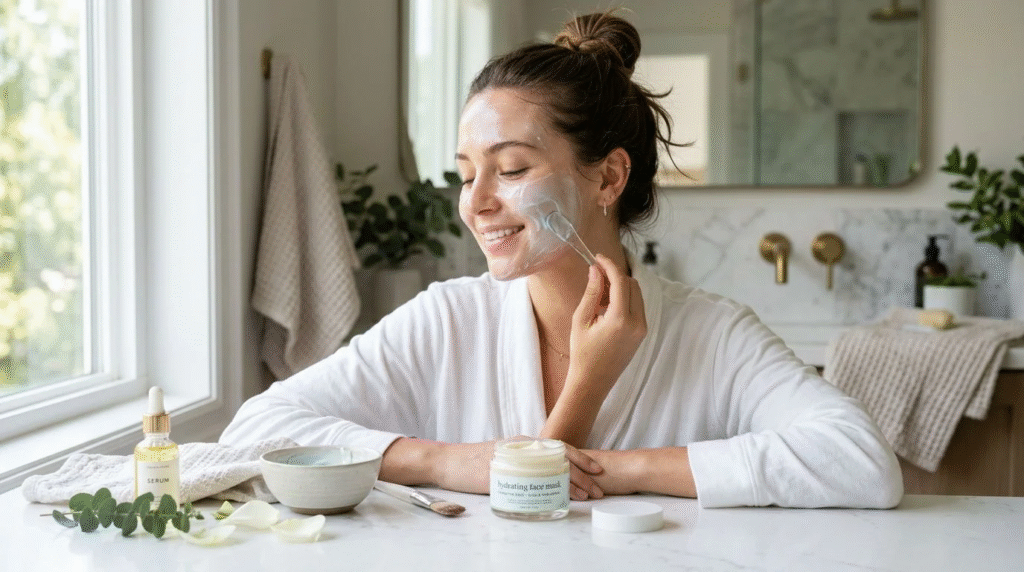
Dry and dehydrated skin can make your face feel tight, rough, flaky, or uncomfortable.Hydrating Face Sometimes, your skin may also look dull or feel less smooth than usual. The right hydrating face mask can help replenish moisture, soften dry areas, and support a healthy-looking skin barrier.
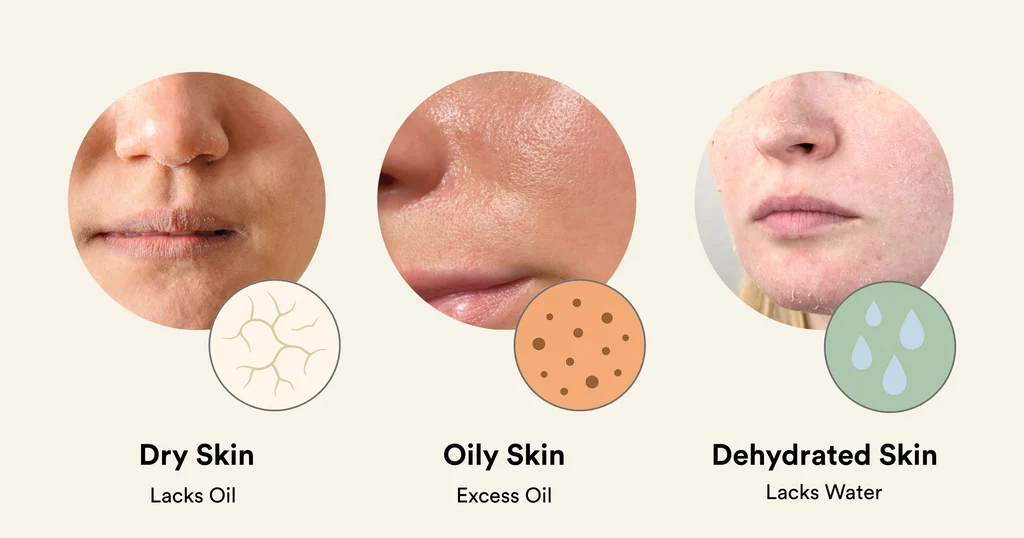
However, dry skin and dehydrated skin are not exactly the same. Hydrating Face Dry skin generally produces less natural oil, while dehydrated skin lacks sufficient water. Both can benefit from a gentle skin care routine that focuses on hydration, moisturising ingredients, and protecting the skin from moisture loss.
Hydrating face masks are available in several forms, including sheet masks, cream masks, gel masks, and overnight masks. Choosing the right one depends on your skin type, sensitivity, and personal preferences.
In this guide, we will explore the best hydrating face masks for dry and dehydrated skin, the ingredients to look for, how to use them correctly, and practical tips for maintaining soft, comfortable, and moisturised skin.
What Are Hydrating Face Masks?
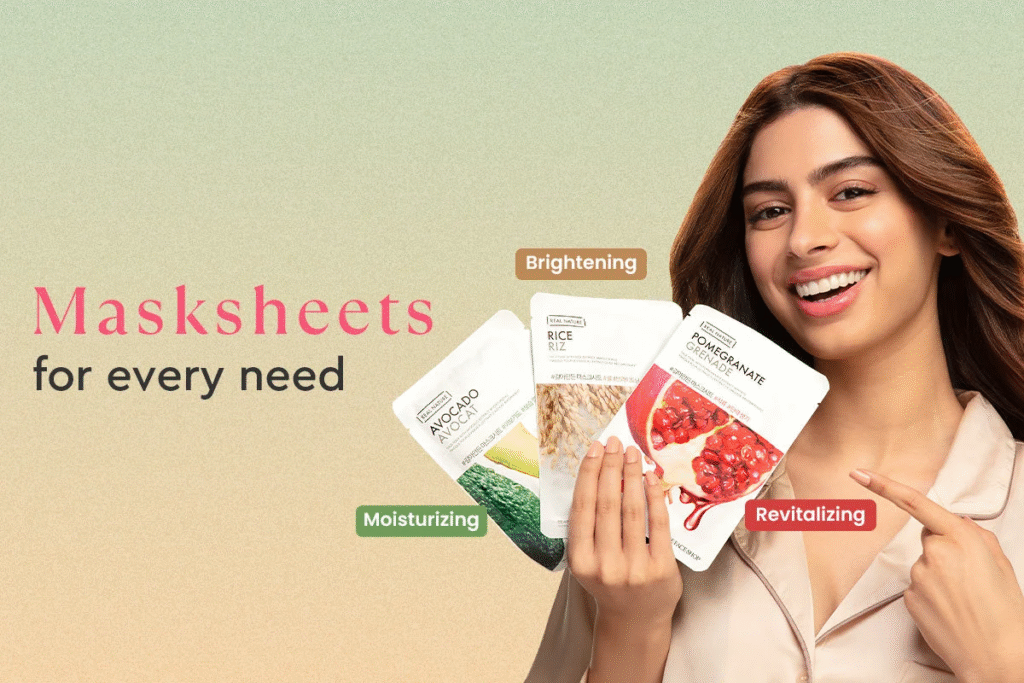
Hydrating face masks are skin care products designed to increase the skin’s moisture content and help reduce the feeling of dryness or tightness. They may contain ingredients that attract water, soften the skin, or help reduce moisture loss.
Unlike some clay masks that focus on absorbing excess oil, hydrating masks generally prioritise moisture and skin comfort. They can be used alongside a regular cleanser, moisturiser, and sunscreen rather than replacing these essential skin care steps.
Common types include:
- Sheet masks: Fabric or gel-like sheets soaked in a hydrating serum.
- Cream masks: Richer formulas that may suit dry skin needing extra softness.
- Gel masks: Lightweight formulas that often feel refreshing on the skin.
- Overnight masks: Leave-on products designed to be used as the final step of an evening routine, according to their instructions.
Dry Skin vs. Dehydrated Skin: What’s the Difference?
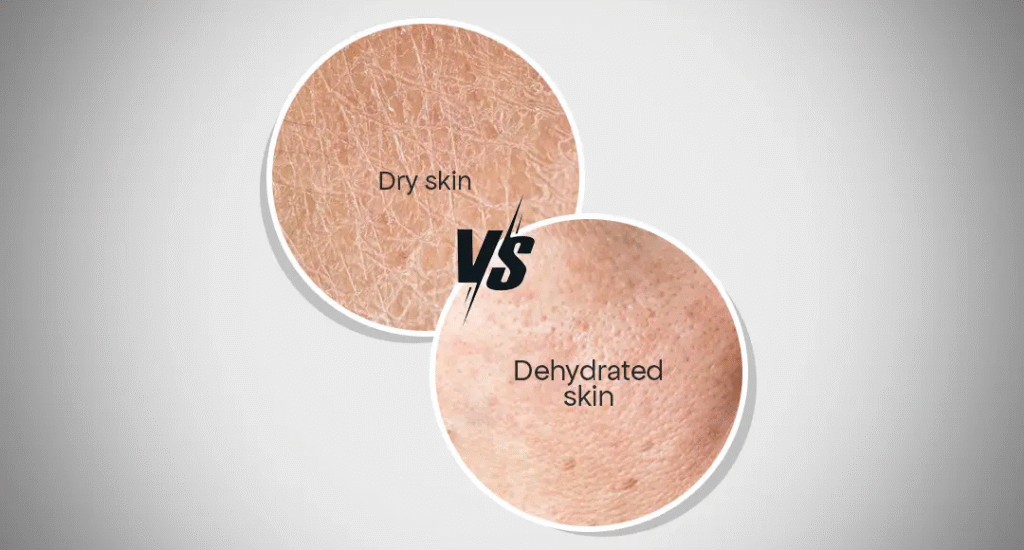
Understanding the difference can help you select a face mask that better suits your needs.
Dry skin
Dry skin is often associated with a lack of natural oils. It may feel rough, tight, flaky, or itchy. Richer moisturising masks and creams may be useful for improving skin softness.
Dehydrated skin
Dehydrated skin lacks sufficient water in its outer layers. It may look dull, feel tight, or show more noticeable fine lines temporarily. Hydrating ingredients such as glycerin and hyaluronic acid can help improve moisture levels.
Both conditions can occur together. A hydrating mask may provide temporary relief, but a regular moisturiser is important for helping maintain the skin’s moisture barrier. American Academy of Dermatology+1
7 Best Types of Hydrating Face Masks for Dry and Dehydrated Skin
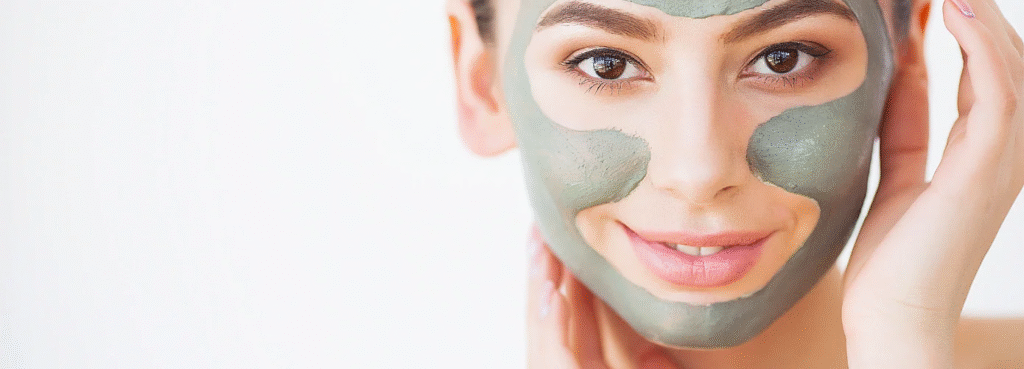
There is no single face mask that works best for everyone. These seven options offer different approaches to hydration and comfort.
1. Hyaluronic Acid Face Masks
Hyaluronic acid is a humectant, meaning it helps attract and retain water in the skin. Face masks containing this ingredient can be a useful option when your skin feels tight, looks dull, or needs a temporary boost of hydration.
Why consider it:
- Helps increase moisture in the outer layers of the skin.
- Can leave skin feeling softer and smoother.
- Works well as part of a routine that includes moisturiser.
Best for: Dehydrated skin and skin that feels tight after cleansing.
Usage tip: Follow the product directions, then apply a moisturiser to help reduce moisture loss.
2. Ceramide-Rich Cream Masks
Ceramides are lipids that help support the skin’s protective barrier. Products containing ceramides can be especially useful for skin that feels dry, rough, or easily irritated.
Cream-based masks with ceramides may provide a more nourishing feel than lightweight gel formulas.
Why consider it:
- Helps support the skin barrier.
- Can improve the feeling of dryness and roughness.
- May suit skin that needs richer moisturising care.
Best for: Dry skin and skin that struggles to retain moisture.
Usage tip: Look for a formula labelled for facial use and suitable for your skin type. American Academy of Dermatology+1
3. Glycerin-Based Hydrating Masks
Glycerin is a widely used humectant that helps draw water into the outer layer of the skin. It is a useful ingredient to look for when choosing a mask for dryness or dehydration.
Why consider it:
- Helps hydrate the skin’s surface.
- Can leave skin feeling smoother and softer.
- Pairs well with ingredients that help protect the skin barrier.
Best for: Skin that feels tight or lacks softness.
Usage tip: Choose a gentle formula and apply your usual moisturiser afterward if the mask is rinse-off.
4. Colloidal Oatmeal Face Masks
Colloidal oatmeal is finely ground oatmeal used in some skin care products to help soothe dry and irritated skin. A mask containing this ingredient may be worth considering if dryness is accompanied by mild discomfort.
Why consider it:
- Helps soothe dry, uncomfortable skin.
- Can support skin comfort.
- May be suitable for some sensitive skin types when formulated gently.
Best for: Dry skin that is prone to mild irritation.
Usage tip: Choose a fragrance-free formula where possible. Stop using it if you experience burning, itching, or a rash.
5. Aloe Vera Gel Masks
Aloe vera gel is commonly used in lightweight skin care products because of its refreshing feel. Gel masks may appeal to people who prefer a lighter texture rather than a rich cream.
Why consider it:
- Offers a lightweight, refreshing skin care option.
- Can provide surface hydration when formulated with suitable moisturising ingredients.
- May layer comfortably under a moisturiser.
Best for: People who prefer lightweight hydration or find heavy creams uncomfortable.
Usage tip: Aloe vera alone may not provide enough moisture protection for very dry skin. Choose a well-formulated product and follow it with moisturiser as needed.
6. Nourishing Masks With Shea Butter
Shea butter is an emollient used in moisturising products to soften the skin and help reduce moisture loss. It can be useful in richer formulas designed for dryness.
Why consider it:
- Helps soften rough-feeling skin.
- Provides a nourishing texture.
- May complement other moisturising ingredients.
Best for: Dry skin that needs richer moisturising care.
Usage tip: If your skin is acne-prone, choose a facial formula that suits your skin and monitor how it responds.
7. Overnight Hydrating Masks
Overnight masks are leave-on products designed to be used during your evening skin care routine. Depending on the formula, they may contain humectants, emollients, or ingredients that help reduce moisture loss while you sleep.
Why consider it:
- Fits easily into an evening routine.
- Can provide prolonged contact with moisturising ingredients.
- May help skin feel softer by morning.
Best for: People who prefer an evening moisturising treatment.
Usage tip: Use only products specifically designed to remain on the skin overnight. A rinse-off mask should never be left on longer than its instructions recommend.
Best Ingredients to Look for in a Hydrating Face Mask
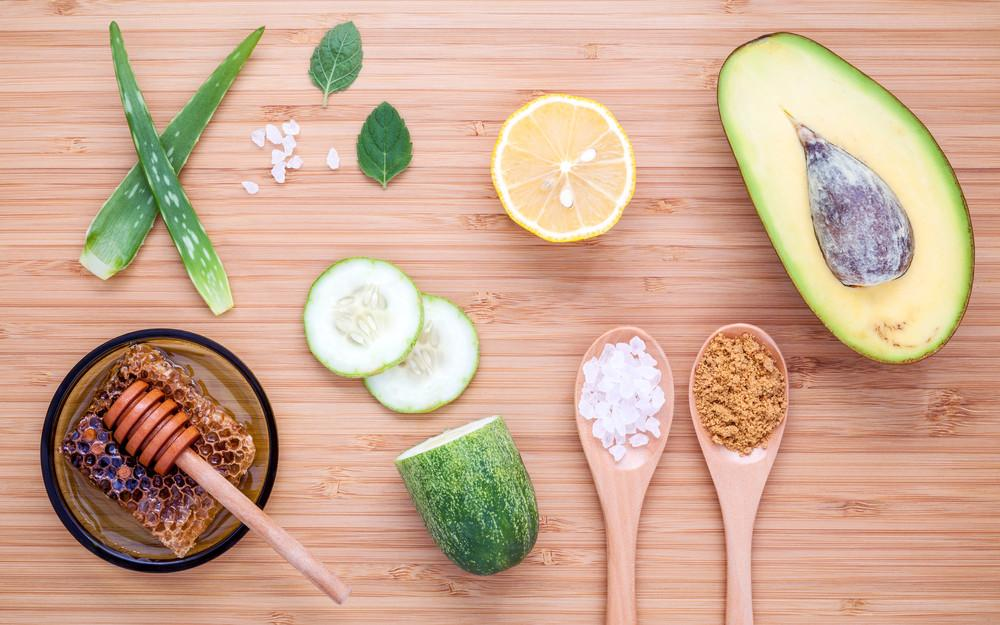
When choosing a face mask, pay attention to its ingredient list rather than relying only on claims such as “intense hydration” or “instant glow.”
Hyaluronic Acid
Helps attract and retain water in the outer layers of the skin. It is a useful ingredient for dehydrated skin.
Glycerin
A humectant that helps hydrate the skin’s surface and improve softness.
Ceramides
Help maintain the skin’s protective barrier and reduce moisture loss.
Colloidal Oatmeal
Can help soothe dry, irritated skin and support skin comfort.
Shea Butter
Helps soften the skin and is often included in richer moisturising formulas.
These ingredients serve different purposes, and a product may combine several of them. For dry or sensitive skin, dermatologists recommend considering fragrance-free products and avoiding ingredients that have previously caused irritation. American Academy of Dermatology+2
How to Use a Hydrating Face Mask Correctly
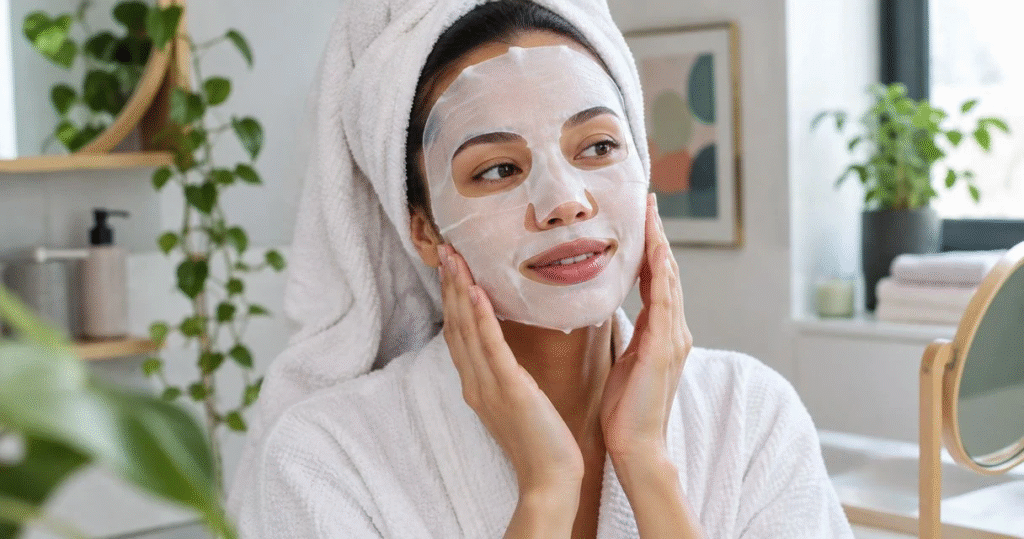
Using a face mask properly can help you get the most out of your skin care routine while reducing the risk of irritation.
Step 1: Cleanse your face gently
Wash your face with a mild cleanser and lukewarm water. Avoid harsh scrubbing, which can make dry skin feel worse.
Step 2: Apply the mask
Follow the product instructions and spread or position the mask gently. Avoid getting the product into your eyes or mouth.
Step 3: Follow the recommended duration
Leave the mask on only for the time specified on its label. Longer application does not necessarily improve results and may cause irritation.
Step 4: Apply moisturiser
If the mask is rinse-off, rinse it as directed and gently pat your face dry. Follow with a suitable moisturiser to help retain moisture.
The American Academy of Dermatology recommends testing new masks on a small area first, following the label instructions, and stopping use if burning, itching, or stinging occurs. Facial masks should complement—not replace—your regular skin care routine. American Academy of Dermatology
Homemade Hydrating Face Masks: Are They Worth Trying?
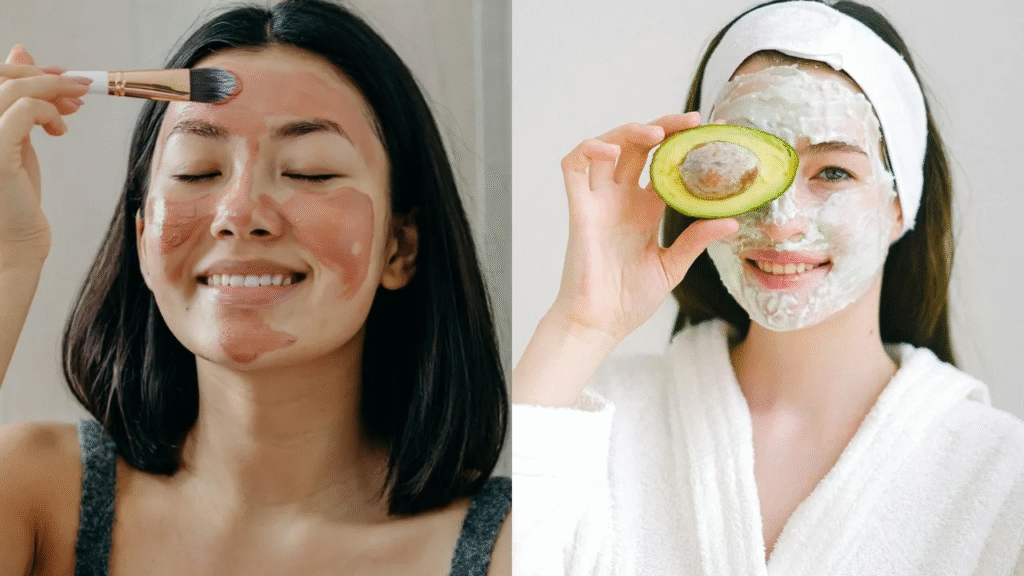
Homemade face masks are popular because they can be inexpensive and easy to prepare. However, natural ingredients are not automatically safe for every skin type, and homemade mixtures do not have the same formulation and preservation controls as professionally developed products.
If you prefer a DIY approach, keep the following points in mind:
- Avoid lemon juice: It can irritate the skin and increase sensitivity to sunlight.
- Skip harsh scrubs: Rough ingredients can aggravate dryness and irritation.
- Be cautious with essential oils: They may cause irritation or allergic reactions.
- Avoid unfamiliar ingredients: A product being natural does not mean it is suitable for your skin.
- Do not store homemade mixtures: Fresh mixtures without appropriate preservation can become contaminated.
For skin that is very dry or sensitive, a commercially formulated, fragrance-free moisturising mask may be a more predictable choice. A basic moisturiser with suitable ingredients is often more important than a DIY treatment.
How Often Should You Use a Hydrating Face Mask?
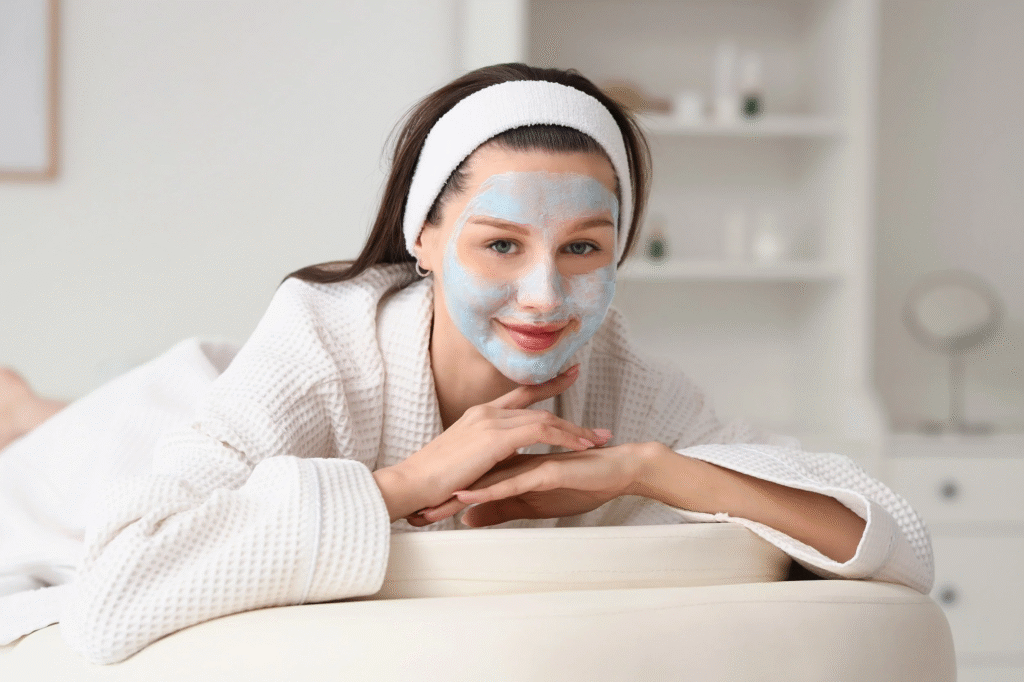
The ideal frequency depends on the formula and your skin’s tolerance. Some gentle masks are designed for frequent use, while others are intended for occasional application.
For a practical starting point:
- Begin with the frequency recommended on the product label.
- Avoid combining multiple new treatments at once.
- Reduce use if you notice redness, itching, flaking, or discomfort.
- Continue using a moisturiser even on days when you do not apply a mask.
- If your skin is persistently irritated, seek advice from a dermatologist.
You do not need to use a face mask every day to maintain hydrated skin. A consistent, gentle skin care routine is more important than adding multiple treatments. American Academy of Dermatology+1
Common Face Mask Mistakes to Avoid
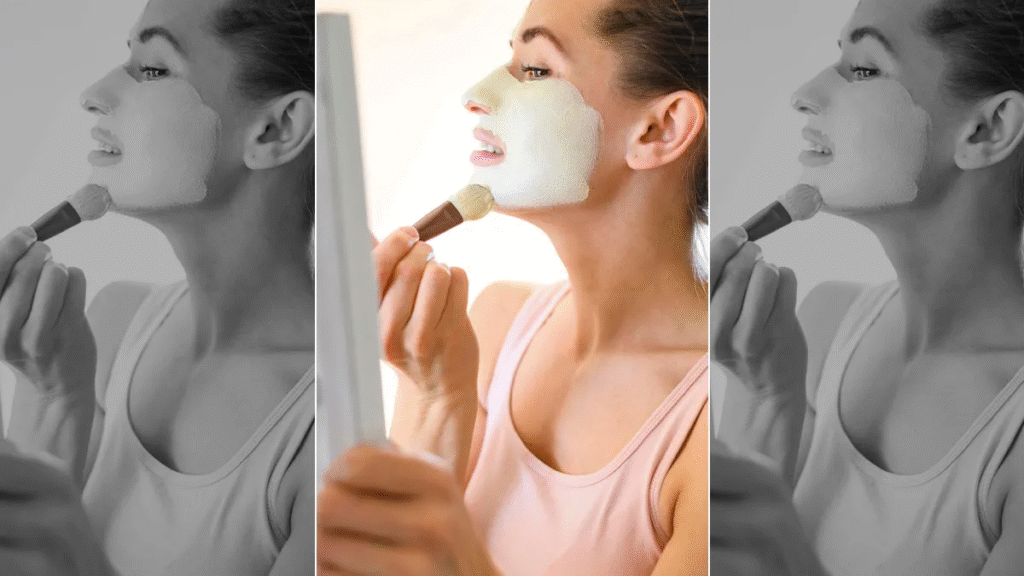
Even a hydrating mask can leave your skin uncomfortable if it is unsuitable for your needs. Avoid these common mistakes:
- Leaving a mask on too long: Follow the product’s recommended application time.
- Choosing heavily fragranced products: Fragrance may irritate dry or sensitive skin.
- Using too many active ingredients together: Combining strong exfoliants or other potentially irritating products can worsen dryness.
- Skipping moisturiser: A hydrating mask is not necessarily a replacement for a regular moisturiser.
- Ignoring a reaction: Wash off the mask if you experience burning or stinging and discontinue use.
- Expecting permanent results from one application: Masks may temporarily improve skin hydration and softness, but ongoing care is needed to manage dryness.
Tips to Keep Dry and Dehydrated Skin Hydrated
Along with using a suitable face mask, small daily habits can help your skin feel more comfortable.
- Use a gentle, fragrance-free cleanser.
- Apply moisturiser soon after washing while your skin is still slightly damp.
- Consider creams rather than lightweight lotions if your skin is very dry.
- Avoid very hot water and excessive exfoliation.
- Use broad-spectrum sunscreen with SPF 30 or higher during the day.
- Adjust your routine when weather changes make your skin feel drier.
- Seek professional advice if dryness is persistent, painful, cracked, or accompanied by a rash.
Dermatologists recommend regular moisturising and gentle cleansing as key parts of dry-skin care. American Academy of Dermatology+1
Frequently Asked Questions
1. Which face mask is best for dry and dehydrated skin?
Masks containing hyaluronic acid or glycerin can help hydrate dehydrated skin. Dry skin may also benefit from cream masks containing ceramides or richer moisturising ingredients. Choose a formula that suits your skin and follow its instructions.
2. Can I use a hydrating face mask every day?
It depends on the formula. Some masks are designed for frequent use, while others are intended for occasional use. Follow the product label and reduce use if irritation develops.
3. Is a sheet mask or cream mask better for dry skin?
Both can be useful. Sheet masks often provide lightweight hydration, while cream masks may offer a richer feel. The ingredients and your skin’s needs matter more than the format alone.
4. Does a hydrating face mask help with flaky skin?
A suitable hydrating mask may temporarily improve softness and comfort. Regular moisturising is important, and persistent or severe flaking may need assessment by a dermatologist.
5. What ingredients should I look for in a hydrating face mask?
Consider hyaluronic acid, glycerin, ceramides, and colloidal oatmeal. If your skin is sensitive, look for fragrance-free formulas and avoid ingredients that have irritated your skin before.