
Let’s be completely real: nobody goes to Travel Bali for a generic beach vacation anymore. If you just wanted sand and a lounge chair, you’d fly somewhere closer. People obsessed with Bali keep returning because the island is a total chameleon—it shapes itself to whatever you need it to be.
If your soul is fried and you need a week of silent meditation, green juice, and staring at jungle ravines, Bali has you covered. If you want to rent a scooter, hunt down hidden waterfalls, and crash a beach club sunset party with a cold Bintang, it does that flawlessly too. It is one of the very few destinations that actually lives up to the heavy internet hype, provided you know the ground rules before you land.
Here is the honest, unfiltered blueprint for surviving the logistics and having a trip that actually feels like a vacation, not a stressful marathon.
Travel Pick Your Base Wise (Because the Traffic is No Joke)
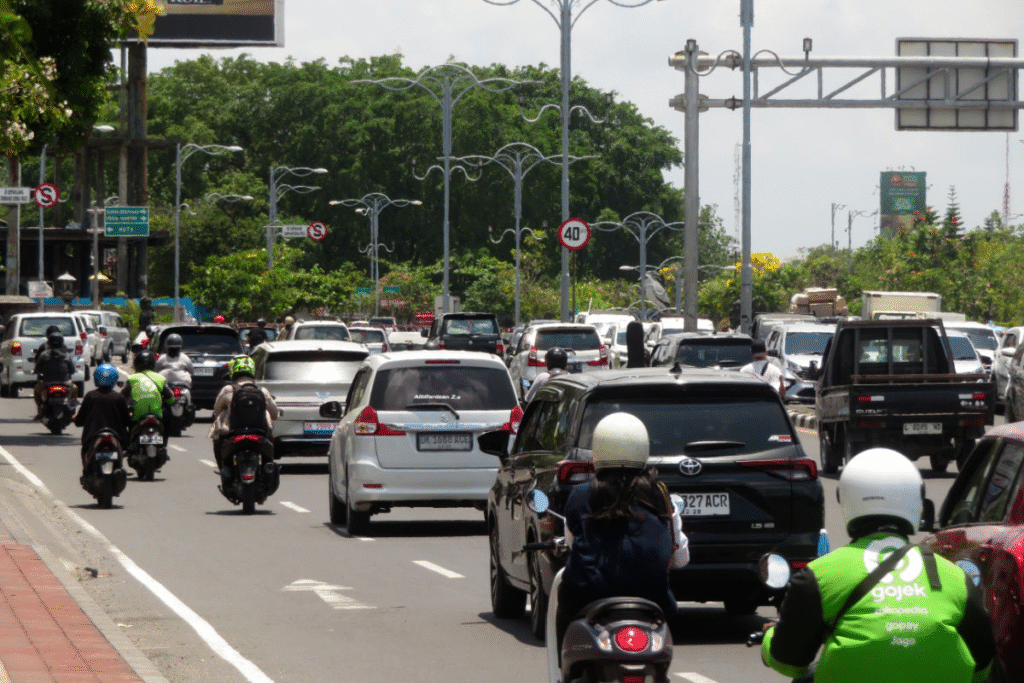
Bali looks tiny on Google Maps. It’s deceiving. You’ll look at two towns and think, “Oh, that’s only 12 miles, it’ll take 20 minutes.” Absolute myth. Between narrow, winding roads, packs of scooters, and beautiful local temple processions, that 12-mile drive can easily swallow two hours of your day.
Instead of moving hotels every night, pick a main base that matches your current headspace:
- Ubud: The green, misty heartland. Go here if your ideal morning involves waking up to the sound of roosters, looking over a river valley, doing some yoga, and wandering through local art markets. It’s slower, deeply cultural, and surrounded by iconic rice terraces.
- Seminyak & Kuta: The high-energy coastal strip. This is your spot if you want trendy boutiques, incredible fine dining, surfing, and beach clubs where the music pumps until dawn. It’s loud, busy, and unashamedly fun.
- Sanur: The laid-back seaside alternative. It features a long, paved boardwalk, calm, shallow waters, and zero pretense. It’s fantastic for families, older travelers, or anyone using Bali as a springboard to the outer islands, since the fast boats leave right from the harbor here.
Time the Weather Right Travel

- The Dry Season (April to October): This is the gold standard. The humidity drops, the breeze kicks in, and the skies are clear blue. It is perfect for hiking, beach days, and exploring temples without melting.
- The Insider Trick: If you can, aim for the shoulder months—April, May, September, or October. You get the pristine dry-season weather but dodge the massive waves of peak-summer tourists.
- The Wet Season (November to March): It doesn’t just drizzle; it dumps rain. While the island is incredibly lush and green during these months—and prices plummet—skip it if you’re planning a trip around daily outdoor adventures or boat transfers. Heavy swells frequently shut down island hopping.
Travel Fast-Track the Boring Red Tape

Do not leave your paperwork to the airport queue. Take 20 minutes to handle this from your couch a few days before you fly out:
- The Six-Month Rule: Check your passport expiration date right now. If it expires anywhere within six months of the day you touch down in Denpasar, the airline will literally refuse to let you board the plane. No exceptions.
- Buy the e-VOA Online: Indonesia offers a Visa on Arrival, but buying the electronic version (e-VOA) ahead of time lets you bypass the agonizingly long payment line at the airport. You walk straight to immigration.
- The Customs QR Code: You can fill out the Indonesian electronic customs declaration form online up to three days before you land. It gives you a QR code on your phone. When you land, you scan it and walk right out.
- Return Flight Proof: Keep a screenshot of your return ticket handy. Immigration officers will occasionally ask to see absolute proof that you intend to leave the country eventually.
The Stuff Actually Worth the Hype

- Nusa Penida: You’ve definitely seen the photos of Kelingking Beach—the massive cliffside that looks exactly like a T-Rex drinking from the ocean. Taking a fast boat from Sanur for a day trip is absolutely worth it for the views alone. Just know that the climb down to the beach is incredibly steep, sweaty, and rugged. Ditch the flip-flops and wear real shoes.
- Mount Batur Sunrise Trek: This requires a brutal 3:00 AM wake-up call and a dark hike up a volcano. Your legs will burn, and you’ll wonder why you paid to suffer. But when you hit the summit and watch the sun break through the clouds over Lake Batur while eating a breakfast steamed by volcanic heat, you completely forget the exhaustion.
- The Temples: They are jaw-droppingly beautiful, but never forget they are active, deeply holy places of worship for the local Balinese people, not just Instagram backdrops. Dress respectfully, wear a sarong (you can rent one for pennies at the entrance), and visit early in the morning to experience them in peace before the midday heat hits.
Eat Like a Local


Bali has a world-class international food scene, but you are failing the trip if you only eat avocado toast at Western cafes. Look for a warung—these are casual, family-run local eateries.
- Order Nasi Campur: You get a mound of steamed rice surrounded by a brilliant mix of spiced meats, local vegetables, peanuts, and a dollop of sambal (spicy chili paste). It is cheap, profoundly flavorful, and different at every single shop.
- Try Babi Guling: This is traditional Balinese slow-roasted suckling pig rubbed with turmeric, lemongrass, and garlic. The mix of tender meat and shattered, crispy skin is legendary.
The Final Reality Check

The absolute biggest mistake people make in Bali is overscheduling. If you try to cram a temple tour, a waterfall hike, a shopping spree, and a sunset dinner into a single day, you will spend six hours sweating in the back of a car completely miserable.
Pick one anchor activity for the morning. Find a great local spot for a long lunch. Then, leave your entire afternoon completely blank. Wander down an alley, lounge by the pool, or sit on the sand with a cold Bintang beer and watch the sky turn pink. That slow, unstructured, unplanned time is where the real magic of Bali actually lives.
Final thoughts
Bali in 2026 is still the kind of destination that can deliver almost everything a traveler wants: beaches, culture, wellness, food, scenic drives, and adventure in one island. If you plan around the dry season, prepare your travel documents early, and choose the right base for your style, Bali can feel both easy and magical at the same time. For first-time visitors especially, the island offers enough variety to create a trip that feels rich, personal, and memorable from start to finish.
FAQs
1. What is the best time to visit Bali?
The dry season from April to October is generally the best time for clearer skies and smoother outdoor travel.
2. Which area is best for first-time visitors?
Seminyak, Ubud, and Kuta are commonly recommended because they are convenient and offer easy access to attractions, food, and transport.
3. Do I need special documents to enter Indonesia?
Indonesia’s official immigration system lists several visa options, and travelers may need a valid passport, an arrival card, and proof of onward travel depending on their situation.
4. Is Nusa Penida worth visiting?
Yes. Official tourism content highlights it for dramatic coastal scenery, including Kelingking Beach, Atuh Beach, and Broken Beach.
5. What is the main airport in Bali?
I Gusti Ngurah Rai International Airport is the main gateway to Bali.