There was a time, not too long ago, when decorating a home felt a bit like shopping for fast fashion. You’d flip through a catalog, spot a perfectly coordinated Decor room, and buy the matching coffee table, rug, and side tables in one fell swoop. It was easy, it was trendy, and it was entirely replaceable. If a table scratched or a lamp went out of style in two seasons, you simply tossed it and bought the next big thing.
But lately, a quiet shift has been happening inside our four walls. Home has stopped being just a landing pad where Decor we crash after a long day at work; it has become our offices, our sanctuaries, our hosting hubs, and the ultimate reflection of who we are.
Because we are spending so much raw, uninterrupted time in our spaces, the way we decorate them has taken on a much deeper meaning. It’s no longer just about clicking “add to cart” on whatever looks decent on a screen. People are craving spaces that feel genuinely beautiful, deeply comfortable, and remarkably responsible all at the same time. This is exactly why sustainable home decor has evolved from a niche, eco-friendly buzzword into one of the most inspiring movements in modern design. It’s a philosophy that pairs thoughtful aesthetics with a real, grounded sense of environmental care, and it is completely reshaping how we think about the concept of home.
The Great Shift: Why Mindful Spaces Matter Now Decor
The surging popularity of sustainable home styling isn’t just a passing aesthetic phase like the neon accents or ultra-glossy finishes of decades past. It is driven by a mix of very practical realworld realizations and profound emotional needs. On a purely practical level, we are simply more awake to the footprint of our consumer habits. We are starting to look at a cheap, particle-board bookshelf and see the environmental toll: the toxic glues, the brief lifespan, and the inevitable trip to a landfill in less than three years. Homeowners today want objects that are made with cleaner materials, produced under fair conditions, and built to survive a move or two.
But the emotional driver is perhaps even stronger. In a world that often feels incredibly fast, hyper-digital, and chaotic, our homes are the one place where we get to control the volume. People are feeling an intense desire for spaces that offer psychological relief. There is an inherent comfort in things that are slightly imperfect, natural, and handcrafted—they make a room feel rooted and human rather than sterile, artificial, or overly manicured.
When your living room doubles as your Zoom backdrop during the day and your place to decompress at night, every single detail starts to matter. You want the texture under your bare feet to be soft organic cotton, not synthetic polyester. You want lighting that glows warmly through a rattan shade rather than bouncing harshly off cheap plastics. Sustainable design naturally steps into this gap because its primary focus is on quality, everyday utility, and timelessness.
Honesty in Materials: Inviting the Earth Indoors Decor
The Aging Principle: Synthetic materials are designed to look perfect on day one, and they only deteriorate from there. Natural materials, however, possess a rare superpower: they age with grace, developing a rich patina that actually makes them look better with time.
Think about a solid oak dining table. A few nicks from a dropped fork or a faint ring from a coffee mug don’t ruin it; they become part of its story, adding character and warmth. Compare that to a plastic-veneered table, where a single scratch reveals the ugly, compressed gray glue underneath, effectively ruining the piece.
Beyond their durability, these earthy materials perform a sort of quiet magic on our nervous systems. They establish a subtle, psychological bridge between our indoor lives and the natural world outside. Bringing a woven seagrass basket into a stark bedroom or running your hand along a rough-hewn wooden bench instantly changes the energy of a room. It softens the hard, sharp edges of modern architecture. It doesn’t scream for attention with loud, glossy finishes; instead, it relies on texture and honesty. It feels authentic, serene, and intensely welcoming.
Character Reclaimed: The Power of the Handcrafted Object
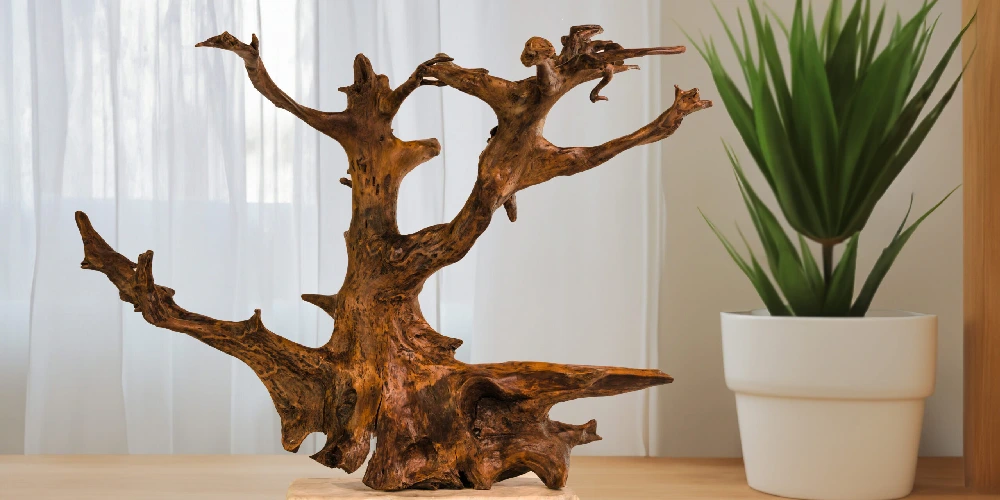


There is a distinct visual exhaustion that comes from walking into five different apartments and realizing they all have the exact same Swedish flat-pack media console and the exact same mass-produced geometric rug. When everything is manufactured by the millions in overseas factories, our homes start to lose their identity. That is exactly why handcrafted decor has made such a massive comeback.
When an object is made by human hands, it carries a literal imprint of care, time, and individuality. A ceramic vase thrown on a local potter’s wheel, a wool throw woven on a traditional loom, or a wooden stool hand-carved from a fallen tree—these items hold a certain soulfulness that a machine simply cannot replicate. They are filled with beautiful quirks: a slightly uneven glaze, a wobble in a woven pattern, or an asymmetrical grain line. Far from being flaws, these imperfections are badges of honor. They remind us that another human being sat down, spent hours of their life, and poured their skill into creating that specific object.
Decorating with handmade pieces completely changes your relationship with your belongings. It champions the slow-living concept of buying fewer, better things. Instead of cluttering your shelves with cheap knick-knacks just to fill empty space, you learn to leave some space open until you find that one piece that truly tells a story. A simple room decorated this way feels deeply layered and curated. It gives your home an unmistakable point of view, showing that you value craftsmanship and human connection over thoughtless speed.
Decor The Palette of the Earth: Colors That Calm the Mind
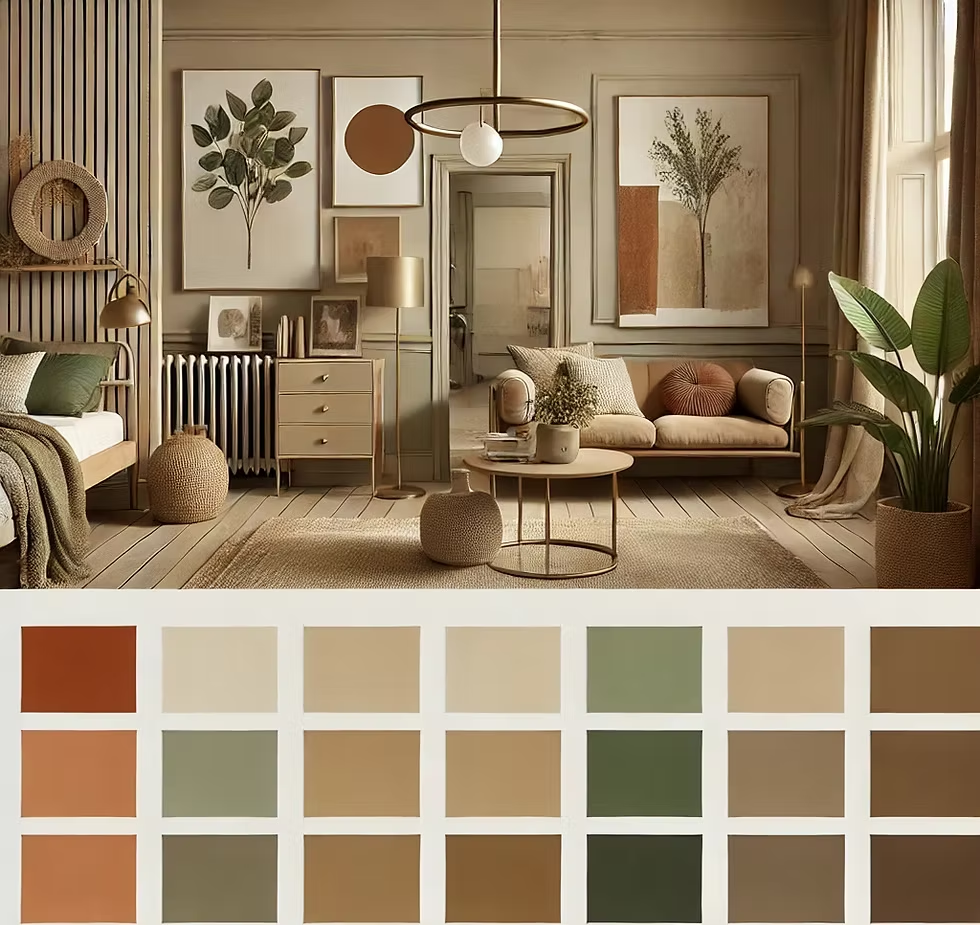
These colors are popular because they are incredibly easy to live alongside. Instead, they act as a gentle, soothing canvas that allows the natural textures and shapes within a room to take the spotlight. A linen sofa looks ten times richer against a soft, chalky clay wall than it does against a cold, blue-toned commercial white.
Furthermore, these colors have an incredible longevity built into them. An olive-green room feels just as relevant, cozy, and sophisticated in 2026 as it did five years ago, and as it will a decade from now. By choosing colors that don’t demand constant updates every time a new trend drops on social media, you drastically cut down on the cycles of repainting and redecorating—which is one of the most sustainable choices you can make.
The Thrill of the Hunt: Why Vintage Is the New Luxury Decor
One of the most exciting aspects of the sustainable decor movement is how incredibly stylish vintage and secondhand shopping has become. Thrift stores, estate sales, and online antique marketplaces are no longer just for bargain hunters or collectors; they are the premier destinations for design lovers looking to add real depth and edge to their homes.
Reusing something that already exists is the ultimate eco-friendly choice. It bypasses the entire manufacturing pipeline—no raw materials extracted, no factory energy consumed, and no overseas shipping emissions generated. But outside of the environmental benefits, antique and vintage pieces possess a historic charm that brand-new furniture simply cannot buy.
An old mid-century modern credenza made of rich teak wood, an ornate brass mirror frame with a bit of spotting on the glass, or a worn leather armchair all carry a heavy sense of history. They break up the uniformity of a home. When you mix a beautifully worn vintage chest of drawers into an otherwise clean, modern bedroom, something incredible happens: the space instantly feels alive, layered, and deeply personal. It looks like a home that was lovingly collected over a lifetime, rather than a showroom that was bought in a single afternoon.
Smarter, Smaller, Swifter: The Rise of Multi-Functional Pieces
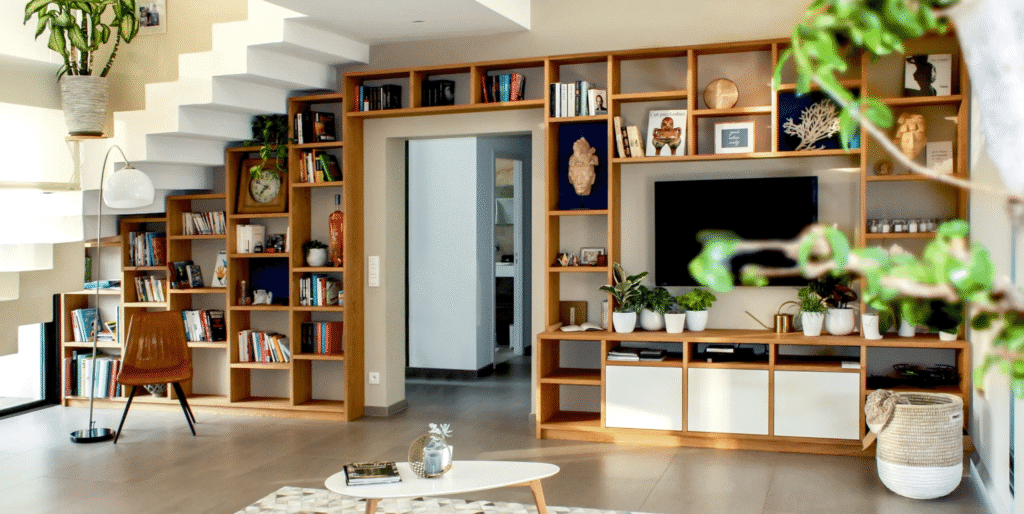
As urbanization increases and modern homes continue to adapt to our changing lifestyles, space has become a premium commodity. This reality has turned multi-functional furniture into an absolute cornerstone of sustainable interior design. When a single piece of furniture can do the job of two or three, you instantly reduce the raw volume of consumer goods you need to buy, place, and eventually maintain.
Think about a beautifully upholstered storage ottoman. It serves as a comfortable footrest, acts as extra seating when guests come over, and hides away extra winter blankets inside its hollow frame. Or consider a minimalist drop-leaf table that serves as a quiet workspace for one person during the day but expands easily to seat six for a weekend dinner party. This kind of design values utility, intelligence, and adaptability.
Instead of buying a separate desk, a separate dining table, and extra storage bins, you invest heavily in one high-quality, beautifully engineered item. This flexibility means the piece can grow with you. If you move from a spacious suburban house to a compact city apartment, a well-chosen multi-functional piece will easily adjust to your new layout rather than being thrown out because it no longer fits the room.
Warm Minimalism and the Living Energy of Plants
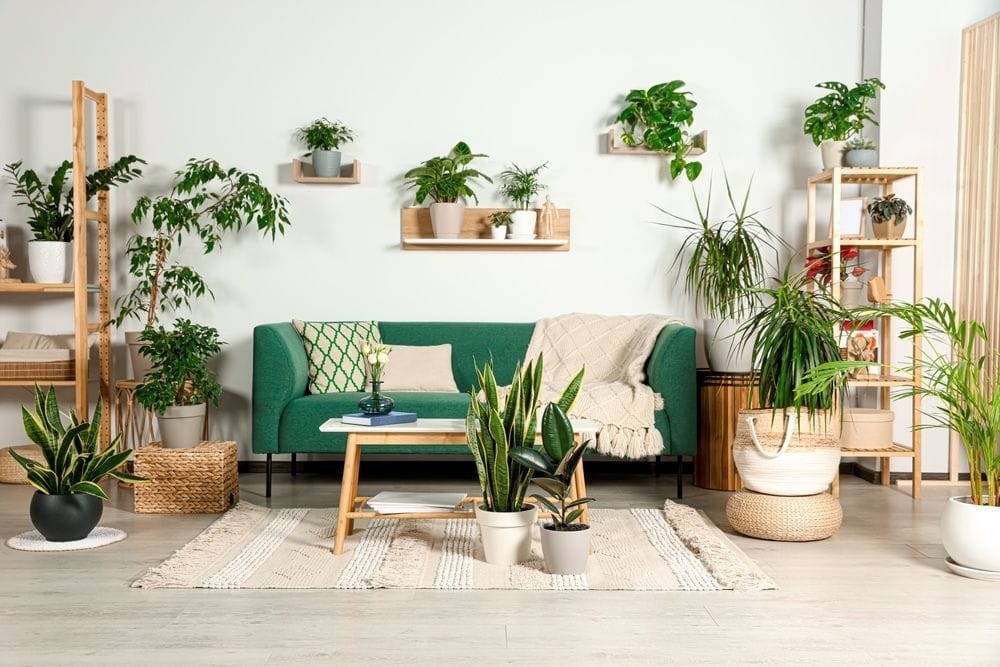
For a long time, minimalism got a bad reputation for being cold, sterile, and unlivable—picturing white leather couches, sharp glass tables, and absolutely zero personal items on display. But the sustainable movement has helped minimalism evolve into something far more approachable: warm minimalism. This design style is less about deprivation and more about intention. It’s about clearing out the distracting, low-quality clutter so that the items you actually love have room to breathe.
In a warm minimalist home, every single object serves a clear purpose or brings genuine joy. A single handmade ceramic bowl sitting on a dining table has far more visual impact than a shelf packed with twenty cheap, mass-produced trinkets. It creates an atmosphere of extreme peace and physical lightness.
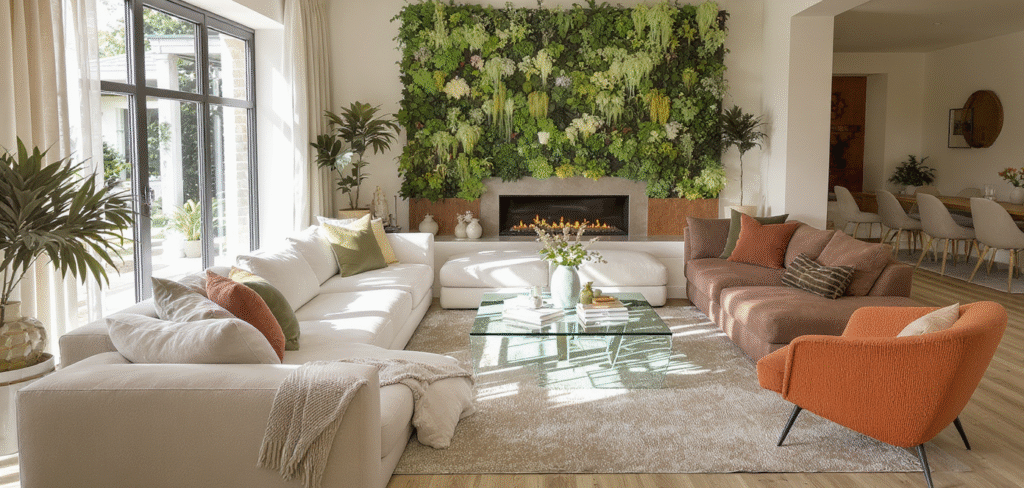
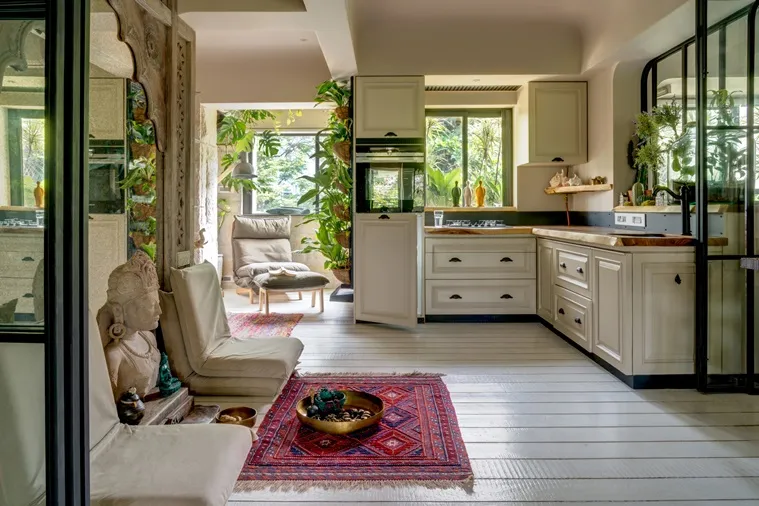
To prevent these simplified spaces from feeling empty, designers lean heavily on indoor plants. Greenery is one of the easiest, most accessible ways to inject life and color into a room without creating physical waste or buying plastic decorations. Whether it’s a massive, leafy fiddle-leaf fig tree anchoring an empty corner, a snake plant purification element on a desk, or a delicate pothos vine cascading down a high bookshelf, plants bring a vibrant, moving energy to an interior.
Taking care of them introduces a slow, grounding daily ritual into our lives, reminding us of our deep connection to the natural world even when we are stuck indoors on a rainy Tuesday.
Textural Depth: Creating Richness Without Excess
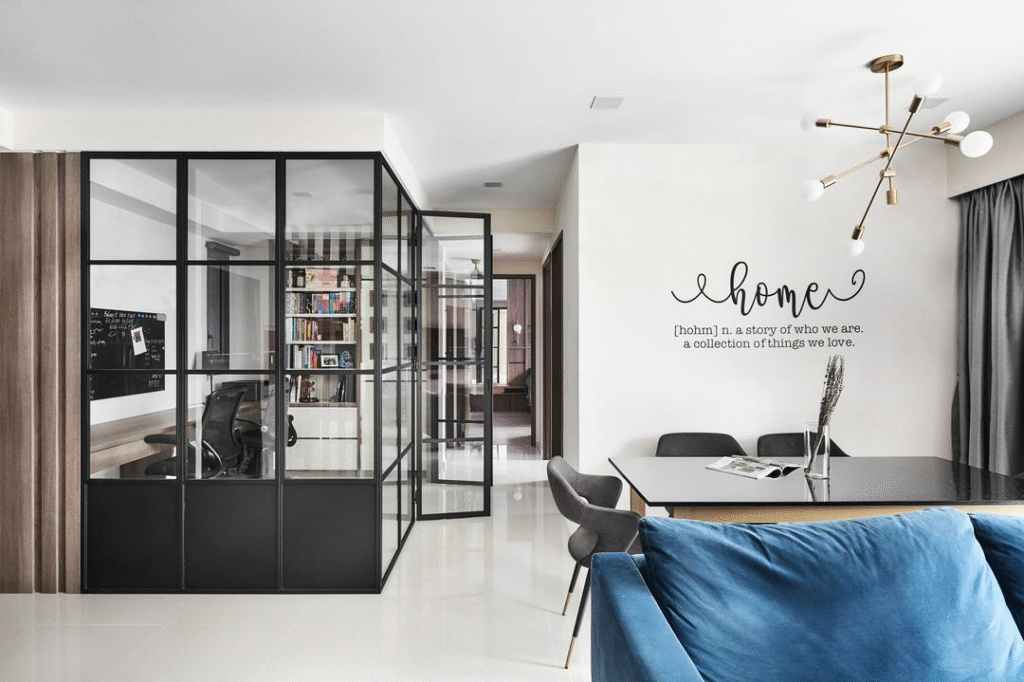
When you decide to move away from loud colors and flashy, trendy decor, how do you keep a room from looking incredibly boring? The secret weapon of sustainable design is texture. Texture is the unsung hero of interior styling; it is the tactile quality that gives a neutral space its depth, warmth, and visual rhythm.
By layering different textures throughout a room, you can create a space that feels incredibly rich and interesting without needing a single piece of unnecessary decoration.
Imagine a living room designed entirely in shades of cream, beige, and soft brown. If every surface were perfectly smooth and synthetic, the room would look completely flat—almost like a hospital waiting room. But now, imagine that same color palette executed with natural materials.
You hang soft, loosely woven linen curtains at the windows that catch the afternoon breeze. You slide a smooth, matte oak coffee table into the center of the space and top it with a coarse, unglazed ceramic vase. Suddenly, the room feels alive. The light hits the different surfaces in distinct ways, creating soft shadows and an undeniable sense of coziness. It is a visual feast for the eyes, achieved entirely through the honest qualities of raw materials rather than a mountain of cheap accessories.
Redefining Luxury: The Quiet Elegance of Intention
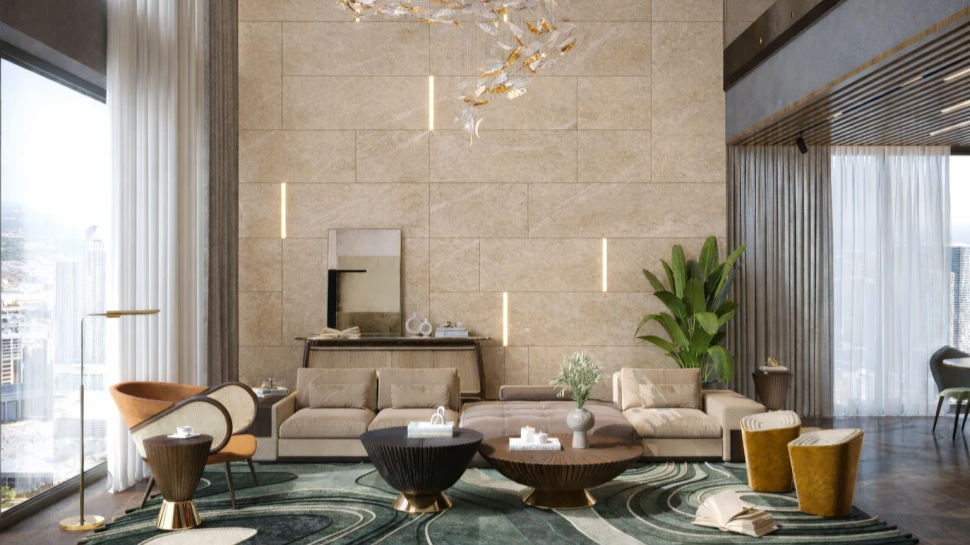
There is an old, lingering misconception that choosing a sustainable lifestyle means making sacrifices—that it requires you to live in a rustic, plain cabin with scratchy burlap fabrics and rough, uncomfortable furniture. But the modern sustainable movement has completely shattered that myth. Today, sustainability and true luxury go hand in hand.
In fact, our very definition of what makes something “luxurious” is changing. Luxury is no longer about flashy, gold-plated showiness or spending massive amounts of money on items designed to impress other people.
True luxury is about refined craftsmanship, rare materials, thoughtful design, and an item’s longevity. A sustainably produced piece of furniture feels incredibly special precisely because it was made with immense focus and care, rather than being stamped out by an assembly line machine at a rate of ten thousand units per hour.
This elegant aesthetic shows up in the quietest details: the buttery softness of organic linen sheets that get better with every single wash, the perfect joinery of a handmade wooden chair that doesn’t use a single metal screw, or the deep, complex variance of a fabric colored with natural, plant-based dyes. This is a quiet, confident kind of luxury. It doesn’t try too hard to impress you the instant you walk through the front door. Instead, it slowly reveals its beauty over time as you live alongside it. It is a design style that respects your intelligence, values your comfort, and creates an environment that feels deeply restorative to your soul.
Crafting Your Own Eco-Sanctuary: A Slow, Joyful Journey

The absolute best part about bringing sustainable style into your home is that it doesn’t require a massive budget or a sudden, dramatic home makeover. In fact, trying to change everything overnight completely goes against the very heart of sustainability.
The most beautiful, authentic homes are almost always put together slowly and intentionally over time.
Start exactly where you are today. The next time you need to buy something for your home—whether it’s a small scented candle, a new throw pillow, or a major piece of furniture like a sofa—take a brief step back and ask yourself a few simple questions:
- What is this object actually made of?
- Will this item still look good and function well in five or ten years?
- Can it be repaired if it breaks, or will it have to be thrown straight into the trash?
By shifting your mindset from a place of fast convenience to one of long-term value, you will naturally begin to surround yourself with items that matter.
You will find yourself styling a home that isn’t just visually striking, but one that is fundamentally aligned with your deepest values. A beautiful room is always a joy to look at, but a beautiful room that treats the planet with deep respect, supports local craftsmanship, and tells a personal story feels infinitely better to live inside.
FAQs
1.What is sustainable home decor?
Sustainable home decor refers to decorating choices that are better for the environment and often last longer than fast, disposable alternatives. It includes materials like wood, bamboo, linen, organic cotton, clay, and recycled or handmade items. The focus is on quality, longevity, and thoughtful design.
2.Is sustainable decor expensive?
It can sometimes cost more upfront, especially if the item is handmade or made from high-quality materials. However, sustainable decor often lasts much longer, which can save money over time. Many people also find affordable options through secondhand shopping, vintage pieces, and small decor swaps.
3.How can I make my home more sustainable without changing everything?
You can start with small changes. Replace a few plastic or synthetic items with natural materials, buy secondhand when possible, choose durable furniture, and add plants or handmade accents. Even simple swaps can make a home feel more sustainable and thoughtful.
4.Why are natural materials so popular in home decor?
Natural materials are popular because they feel warm, timeless, and authentic. They also connect indoor spaces to nature, which creates a calm and inviting atmosphere. Materials like wood, rattan, linen, and wool often age beautifully and fit well with many styles.
5.Can sustainable decor still look modern?
Yes, absolutely. Sustainable decor can look very modern when it is styled with clean lines, neutral tones, and simple shapes. In fact, many of today’s most stylish interiors combine sustainability with a modern, minimal look.