

K-Beauty and J-Beauty have become much more than beauty trends K-Beauty & J-Beauty. Korean skincare is known for its innovative textures, layered routines, and focus on hydration, while Japanese beauty often takes a simpler and more consistent approach to everyday skin care.
In 2026, both approaches continue to influence the global beauty industry. The biggest shift is toward healthy-looking skin, gentle formulas, barrier care, smart product choices, and routines that are easier to maintain.
Whether you’re completely new to K-Beauty & J-Beauty and Japanese skincare or already have a shelf full of products, understanding the difference between the two approaches can help you create a routine that actually works for you.
What Is K-Beauty?

K-Beauty refers to beauty products and skincare practices originating from South Korea.
Korean skincare became especially popular for its creative product formats, lightweight textures, hydrating ingredients, and detailed routines. Products such as essences, sheet masks, ampoules, cleansing balms, and sleeping masks have become familiar around the world.
The modern K-Beauty approach is increasingly focused on maintaining the skin rather than overwhelming it with a huge number of products.
Popular K-Beauty principles
- Hydration
- Skin barrier support
- Gentle exfoliation
- Layering lightweight products
- Consistent sun protection
- Skin-soothing ingredients
- Lightweight textures
- Preventive skincare
What Is J-Beauty?
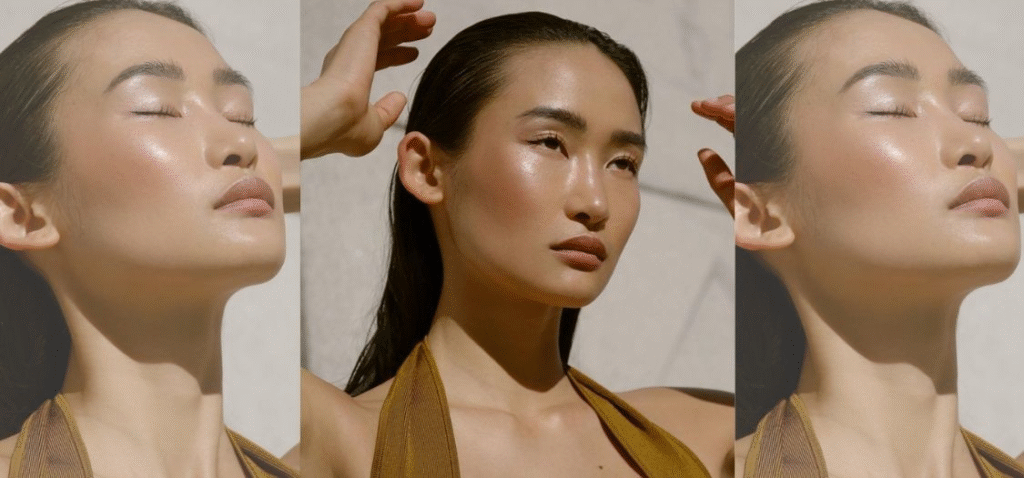
J-Beauty refers to Japanese beauty products and skincare traditions.
Japanese skincare is often associated with simplicity, consistency, careful cleansing, hydration, and protecting the skin from environmental stress. Rather than building a complicated routine, the emphasis is often on selecting a few dependable products and using them consistently.
Popular J-Beauty principles
- Simple routines
- Gentle cleansing
- Hydration
- Skin protection
- Minimal product overload
- Consistency
- High-quality formulations
- Daily sunscreen
K-Beauty & J-Beauty: What’s the Difference?
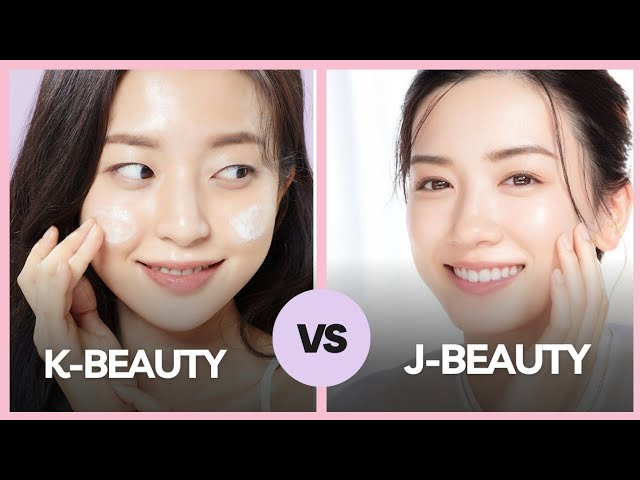
K-Beauty & J-Beauty Although both approaches value healthy skin, their philosophies can feel quite different.
| K-Beauty | J-Beauty |
|---|---|
| Often more layered | Usually more streamlined |
| Focuses heavily on hydration | Focuses on simplicity and consistency |
| Known for innovative formats | Known for refined, practical formulations |
| Many lightweight product options | Fewer products can be enough |
| Popular for sheet masks and essences | Popular for lotions, cleansing oils and sunscreens |
| Often encourages customization | Often emphasizes a straightforward routine |
Neither approach is automatically better. Your skin type, lifestyle, budget, and personal preferences matter more than following a beauty trend perfectly.
Top K-Beauty & J-Beauty Trends for 2026
1. Skin Barrier Care
K-Beauty & J-Beauty Healthy skin starts with a healthy barrier, and barrier-focused skincare remains one of the biggest themes in beauty.
Instead of constantly adding K-Beauty & J-Beauty strong exfoliants or active ingredients, many routines K-Beauty & J-Beauty now focus on keeping the skin comfortable and hydrated.
Look for products featuring ingredients such as:
- Ceramides
- Panthenol
- Glycerin
- Hyaluronic acid
- Squalane
- Centella asiatica
- Fatty acids
A simple routine that supports the barrier can be easier to maintain than constantly switching between powerful products.
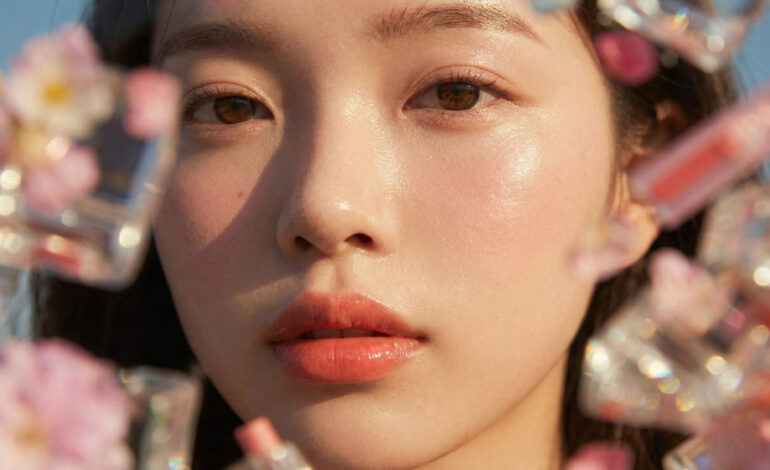
2. Hydrated, Natural-Looking Skin K-Beauty & J-Beauty
The heavy-makeup look is making room for fresh, naturally radiant skin.
K-Beauty has long emphasized hydrated, dewy-looking skin, while J-Beauty has traditionally placed strong importance on maintaining smooth and healthy-looking skin.
In 2026 K-Beauty & J-Beauty, the trend is less about creating an extremely glossy finish and more about skin that looks comfortable, moisturized, and naturally fresh.
3. Skinimalism K-Beauty & J-Beauty

More products don’t necessarily make a better routine.
Skinimalism focuses on keeping skincare simple and choosing products based on what your skin actually needs.
A basic routine might include:
Cleanser → Moisturizer → Sunscreen
You can add a serum or treatment when there’s a specific reason to use one.
This approach is particularly appealing K-Beauty & J-Beauty if you’re tired of complicated routines or have trouble figuring out which product is causing irritation.
4. Gentle Cleansing K-Beauty & J-Beauty
Cleansing remains an important part of both K-Beauty and J-Beauty routines.
Japanese beauty is particularly well known for cleansing oils and other gentle cleansing approaches, while Korean routines often use a first cleanser followed by a water-based cleanser.
The idea is straightforward: remove sunscreen, makeup, excess oil, and daily buildup without leaving the skin feeling stripped.
If your face feels extremely tight immediately after cleansing, your cleanser may be too harsh for your skin.
5. Double Cleansing K-Beauty & J-Beauty
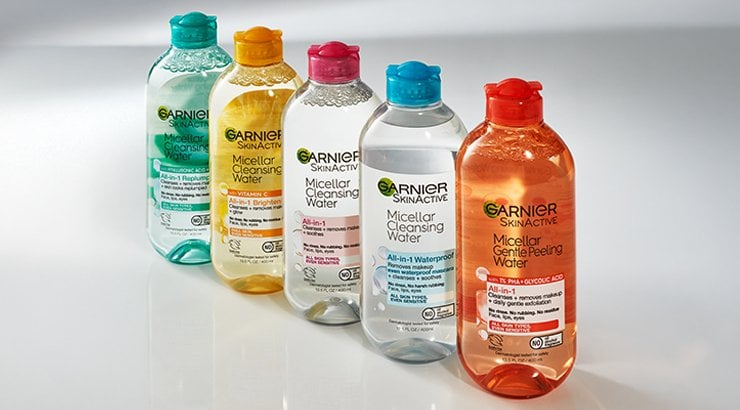
Double cleansing continues to be popular, particularly in evening routines.
The first step usually uses an oil-based cleanser or cleansing balm to dissolve makeup, sunscreen, and oil-based impurities.
The second cleanser removes remaining residue.
A simple evening routine
- Cleansing oil or balm
- Gentle water-based cleanser
- Hydrating toner or lotion
- Serum or treatment
- Moisturizer
Double cleansing can be useful when you’re wearing makeup or water-resistant sunscreen. It isn’t necessarily required every night for everyone.
6. Lightweight Layering K-Beauty & J-Beauty
One of the most recognizable K-Beauty techniques is applying lightweight products in layers.
Instead of putting one extremely rich product on the skin, you can build hydration gradually with thinner textures.
For example:
Toner → Essence → Serum → Moisturizer
This can work particularly well for people who dislike heavy creams.
However, layering five or six products isn’t mandatory. A shorter routine can be just as effective when the products are well chosen.
7. Japanese Lotions K-Beauty & J-Beauty
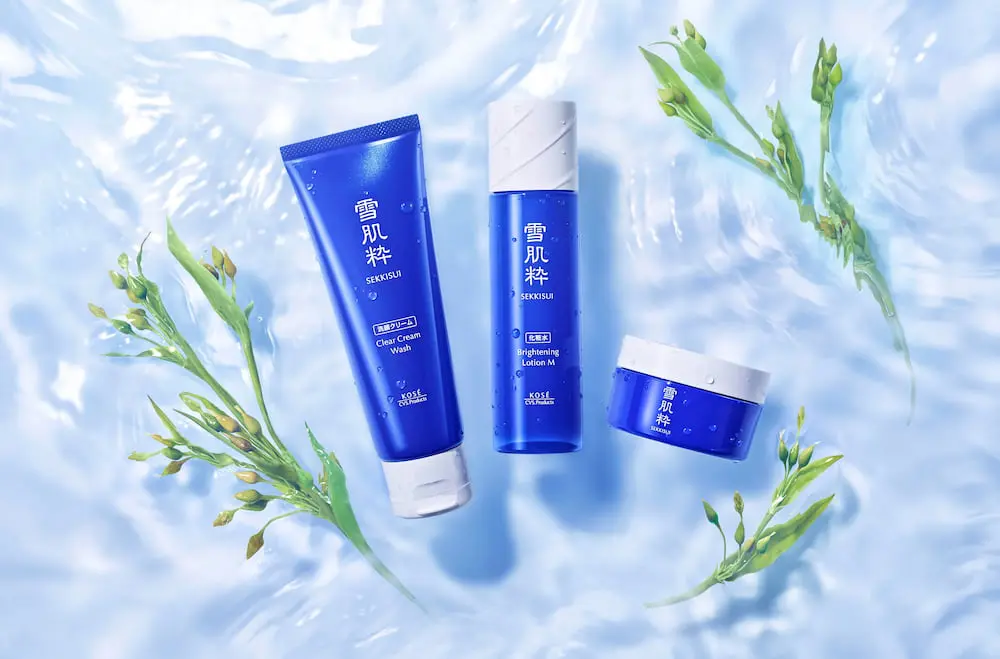
The word “lotion” can be confusing because Japanese skincare lotions are generally different from the creamy body lotions many people imagine.
Japanese lotions, often called keshōsui, are commonly lightweight hydrating products used after cleansing.
They can help prepare the skin for subsequent skincare steps.
This simple category has become increasingly popular among people looking for hydration without a heavy finish.
8. Beauty Products With Soothing Ingredients K-Beauty & J-Beauty
Soothing skincare is another major direction in 2026.
Ingredients associated with calming and supporting the skin include:
- Centella asiatica
- Green tea
- Rice-derived ingredients
- Panthenol
- Mugwort
- Licorice-derived ingredients
When trying a new ingredient, introduce it gradually rather than adding several new products at the same time.
9. Sunscreen as an Everyday Essential K-Beauty & J-Beauty
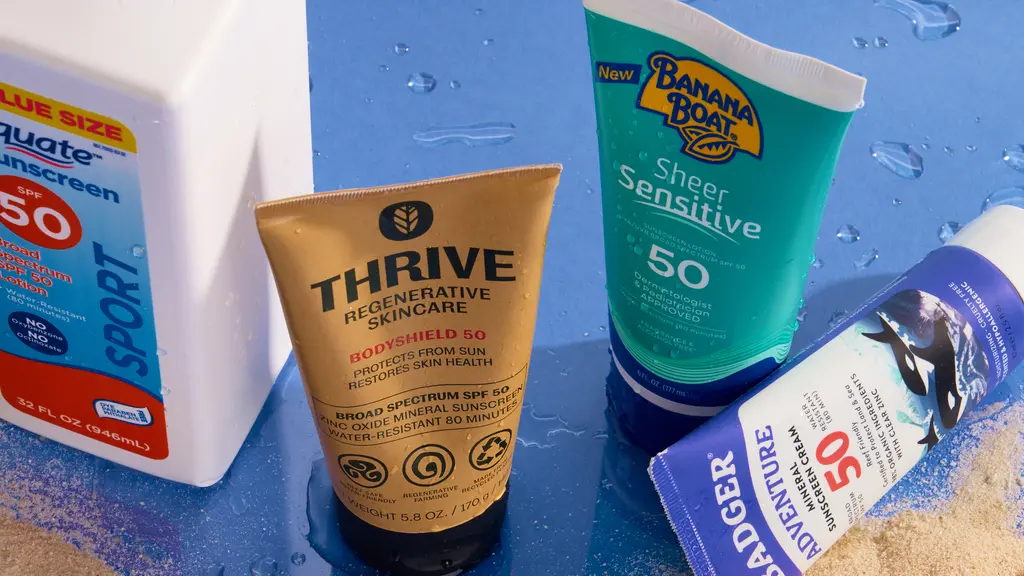
Sunscreen remains one of the most important parts of a skincare routine.
Both Korean and Japanese beauty markets are known for lightweight sunscreen formulas that are designed to be comfortable enough for everyday use.
For daily skincare, look for a broad-spectrum sunscreen with an SPF appropriate for your needs and apply enough to provide the protection stated on the product.
Reapplication becomes particularly important when spending extended time outdoors, sweating, or swimming.
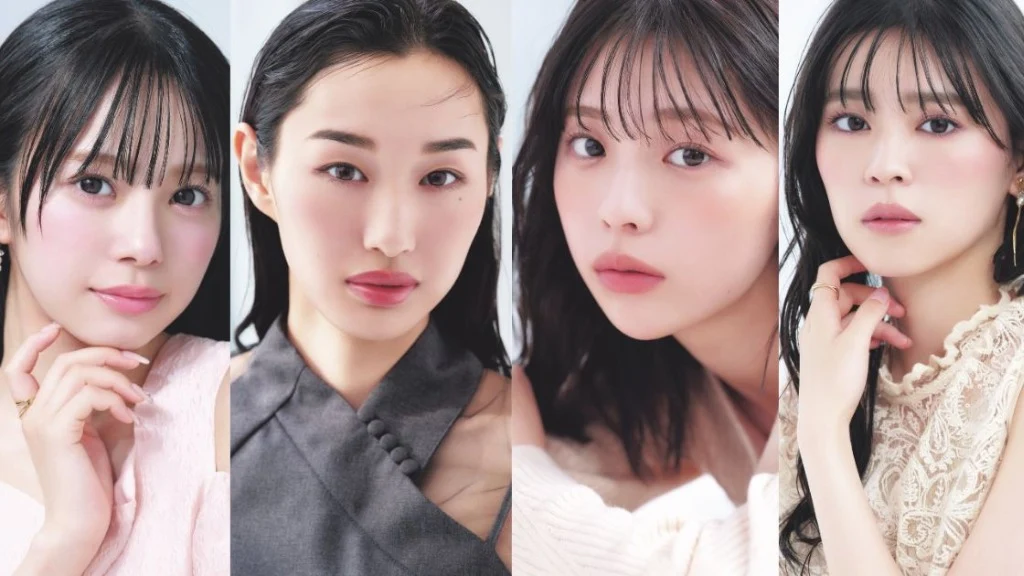
10. Makeup That Looks Like Skin K-Beauty & J-Beauty
K-Beauty and J-Beauty trends aren’t limited to skincare.
Complexion makeup is also moving toward lighter finishes.
Instead of completely covering the skin, many current looks focus on:
- Lightweight base products
- Cream blush
- Soft lip tints
- Natural brows
- Subtle highlighting
- Fresh-looking complexion
The result is a polished appearance that still allows the skin to look like skin.
A Simple K-Beauty Skincare Routine
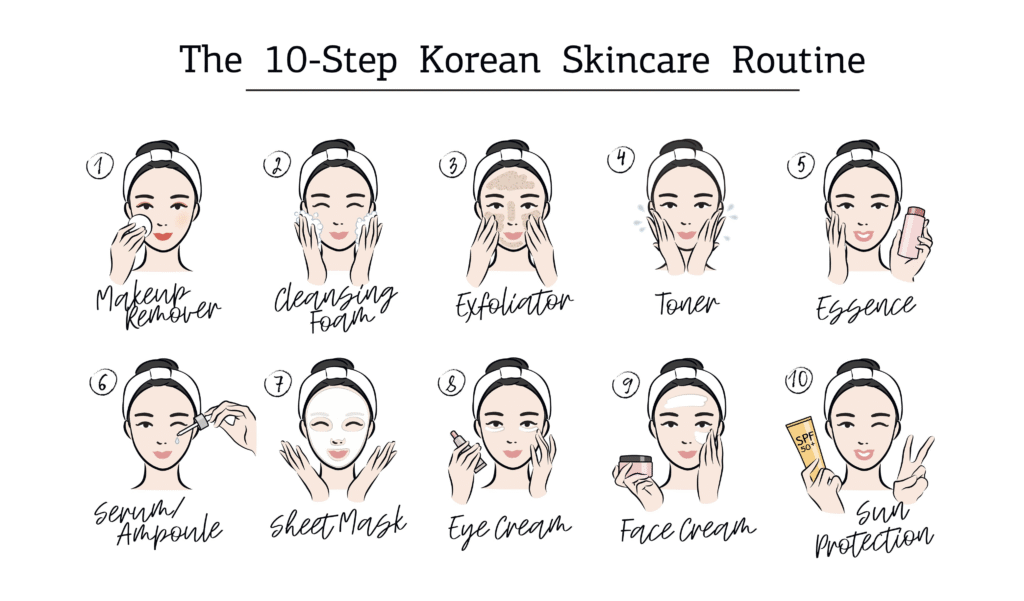
If you want to try Korean skincare without buying an entire shelf of products, start small.
Morning
1. Gentle cleanser
Use a mild cleanser if your skin needs one in the morning.
2. Hydrating toner or essence
This step can add lightweight hydration.
3. Serum
Choose one based on your main skincare concern.
4. Moisturizer
Use a texture that feels comfortable for your skin.
5. Sunscreen
Finish with your daily sunscreen.
Evening
1. Cleansing oil or balm
Useful for removing makeup and sunscreen.
2. Gentle cleanser
Cleanse away remaining residue.
3. Toner or essence
Add hydration if desired.
4. Treatment or serum
Use your selected active or targeted product.
5. Moisturizer
Finish by helping keep the skin hydrated overnight.
A Simple J-Beauty Skincare Routine K-Beauty & J-Beauty
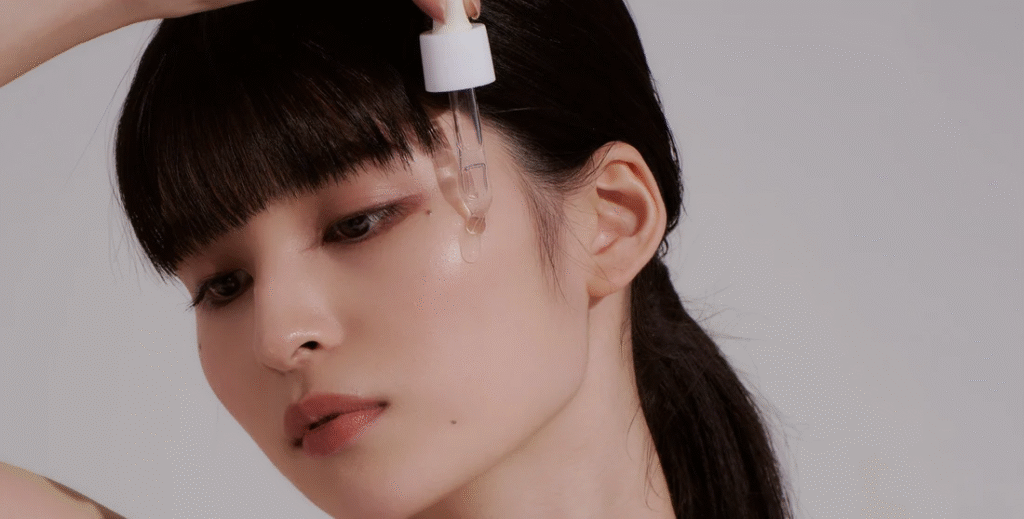
A J-Beauty-inspired routine can be even more streamlined.
Morning
- Gentle cleanse
- Hydrating lotion
- Moisturizer
- Sunscreen
Evening
- Cleansing oil
- Gentle cleanser
- Hydrating lotion
- Moisturizer
You can add a targeted treatment if your skin needs one.
The appeal of this approach is its simplicity. When a routine is easy to follow, you’re more likely to stick with it.
Best K-Beauty Ingredients to Know in 2026
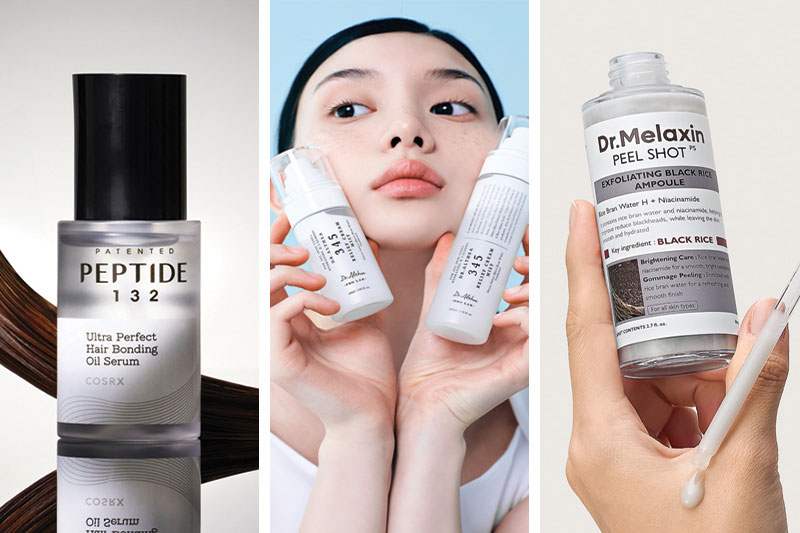
Centella Asiatica
Often used in soothing skincare products and popular among people who prefer calming formulas.
Snail Mucin
A well-known K-Beauty ingredient commonly found in hydrating and skin-conditioning products.
Niacinamide
A versatile ingredient frequently used in products designed to support a more even-looking complexion and overall skin appearance.
Hyaluronic Acid
A popular hydrating ingredient that helps attract and retain water in the skin.
Rice Extract
Rice-derived ingredients are widely used in Korean and Japanese beauty products, particularly in formulas focused on hydration and a healthy-looking complexion.
Green Tea
Known for its antioxidant properties and commonly included in Japanese and Korean skincare.
How to Build a K-Beauty & J-Beauty Routine on a Budget
You don’t have to buy every trending product.
Start with the basics:
- Gentle cleanser
- Moisturizer
- Sunscreen
Then consider adding one treatment or hydrating product based on your needs.
This approach also makes it easier to identify which products are actually helping your skin.
Budget-friendly tips
- Compare ingredient lists before buying
- Look for multipurpose products
- Avoid buying several similar serums
- Introduce new products gradually
- Take advantage of reputable beauty sales
- Focus on consistency rather than product quantity
Common Mistakes to Avoid

Copying Someone Else’s Routine
A skincare routine that looks great on social media may not suit your skin.
Adding Too Many Actives
Using several strong treatments together can increase the chance of irritation.
Changing Products Too Frequently
Constantly switching products makes it difficult to understand what works for you.
Forgetting Sunscreen
A complicated nighttime routine can’t replace consistent daytime sun protection.
Following Trends Without Checking Ingredients
A product can be viral and still not be the right choice for your skin.
Which Is Better: K-Beauty or J-Beauty?
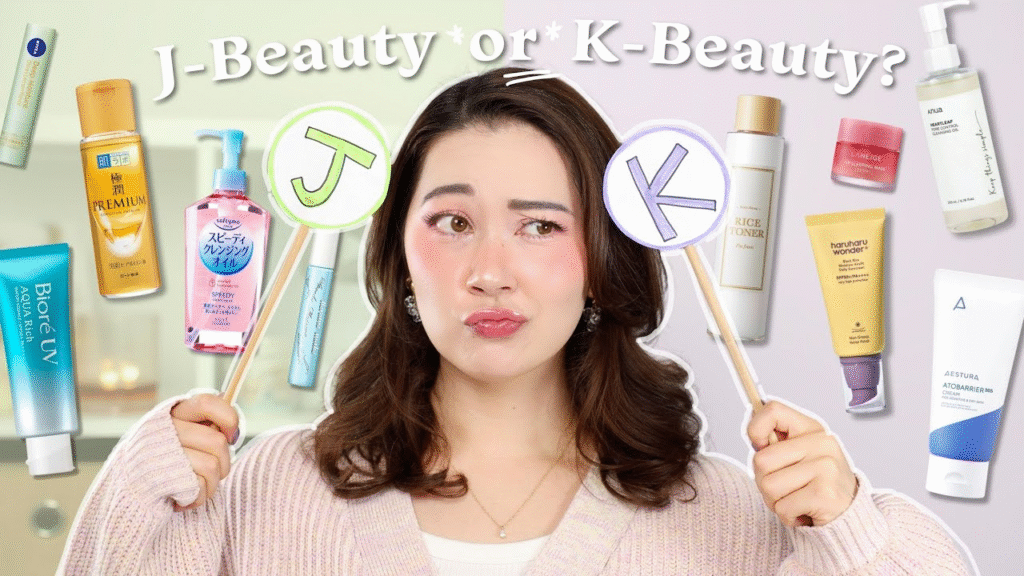
There isn’t a universal winner.
K-Beauty may appeal to you if you enjoy experimenting with textures, essences, masks, serums, and more customizable routines.
J-Beauty may be a better fit if you prefer a smaller number of dependable products and a straightforward routine.
You can also combine the two.
For example, you might use a Japanese cleansing oil and sunscreen with Korean hydration-focused products. Skincare doesn’t have to follow one country’s beauty philosophy from start to finish.
K-Beauty & J-Beauty Beauty Trends to Watch
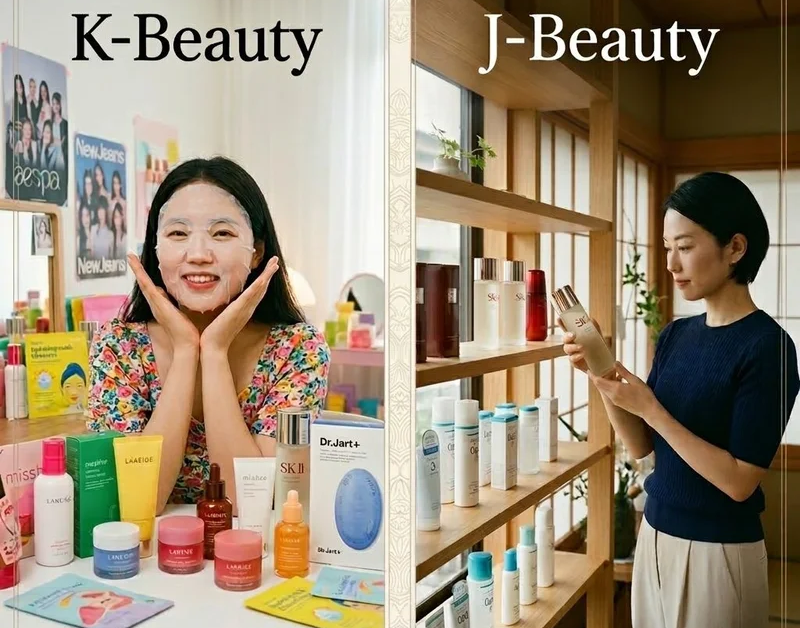
As beauty routines continue to evolve in 2026, several themes are likely to remain popular:
- Barrier-friendly skincare
- Lightweight hydration
- Minimalist routines
- Gentle formulations
- Daily sunscreen
- Skin-focused makeup
- Personalized skincare
- Multi-use beauty products
- At-home beauty devices
- Sustainable packaging and formulas
The broader direction is clear: consumers are becoming more interested in healthy-looking skin and practical routines rather than simply collecting the newest products.
FAQ’S
1. What are the main K-Beauty and J-Beauty trends in 2026?
Popular trends include skin barrier care, lightweight hydration, simple skincare routines, gentle cleansing, daily sunscreen, and natural-looking makeup.
2. What is the difference between K-Beauty and J-Beauty?
K-Beauty often focuses on layered hydration, innovative textures, and customizable routines, while J-Beauty generally emphasizes simplicity, consistency, gentle care, and fewer products.
3. Is K-Beauty good for beginners?
Yes. Beginners can start with a simple cleanser, moisturizer, and sunscreen before adding products such as toners, essences, or serums.
4. Can I combine K-Beauty and J-Beauty products?
Yes. You can combine products from both approaches based on your skin’s needs. The important thing is choosing compatible products and keeping your routine manageable.
5. What are some popular K-Beauty and J-Beauty ingredients?
Common ingredients include centella asiatica, snail mucin, niacinamide, hyaluronic acid, rice-derived ingredients, green tea, and panthenol.