
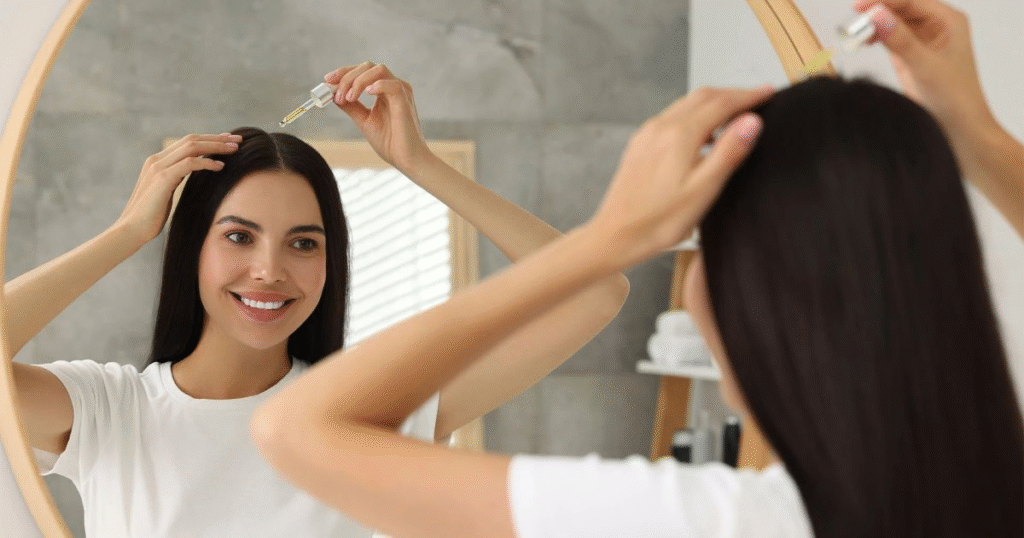
Best Scalp Care Healthy hair is often associated with shine, thickness, and length. But what many people overlook is the most important foundation of healthy hair — the scalp. Just as healthy soil provides the right environment for a plant to grow, a balanced and well-nourished scalp creates the right conditions for strong hair follicles.
In pharmacy practice, one pattern comes up often: people try different hair serums and oils while overlooking ongoing dandruff, itching, or excess scalp oiliness. Over time, an unhealthy scalp environment can affect the hair roots and contribute to increased shedding.
Scalp care isn’t about following every new trend. It’s about taking care of the environment where your hair actually grows.
What Is Scalp Care Health and Why Does It Matter?
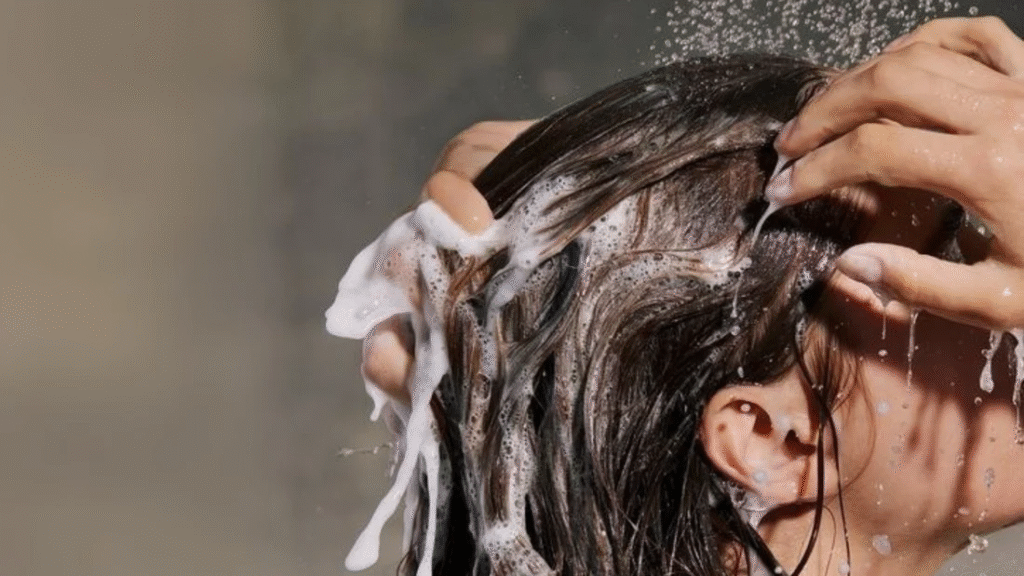
Your Scalp Care contains thousands of hair follicles, and each follicle produces hair as part of a natural growth cycle. For this cycle to work properly, the scalp needs to maintain several important factors:
- Balanced oil (sebum) production
- Good blood circulation
- Minimal inflammation
- Proper hygiene
When these factors become unbalanced, the hair-growth cycle may be affected, potentially leading to slower growth or increased hair fall.
Common Signs of an Unhealthy Scalp
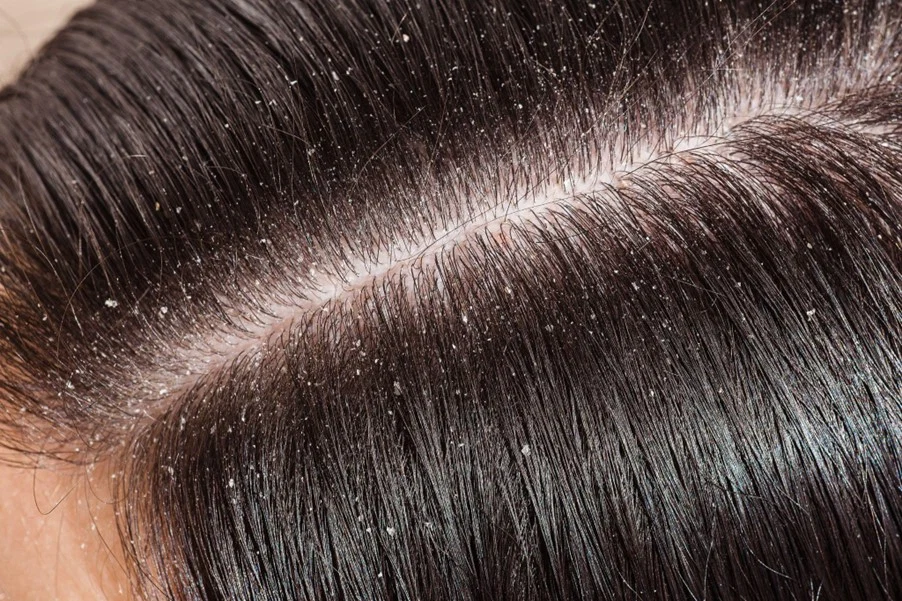
Some common signs that your scalp may need more attention include:
- Persistent itching
- Flakes or dandruff
- Excess oiliness
- A tight or dry feeling
- Increased hair shedding
Many people notice that hair fall becomes more noticeable during periods of dandruff flare-ups or seasonal scalp dryness. Paying attention to scalp problems early can help prevent them from becoming long-term concerns.
Common Scalp Problems That Affect Hair Growth
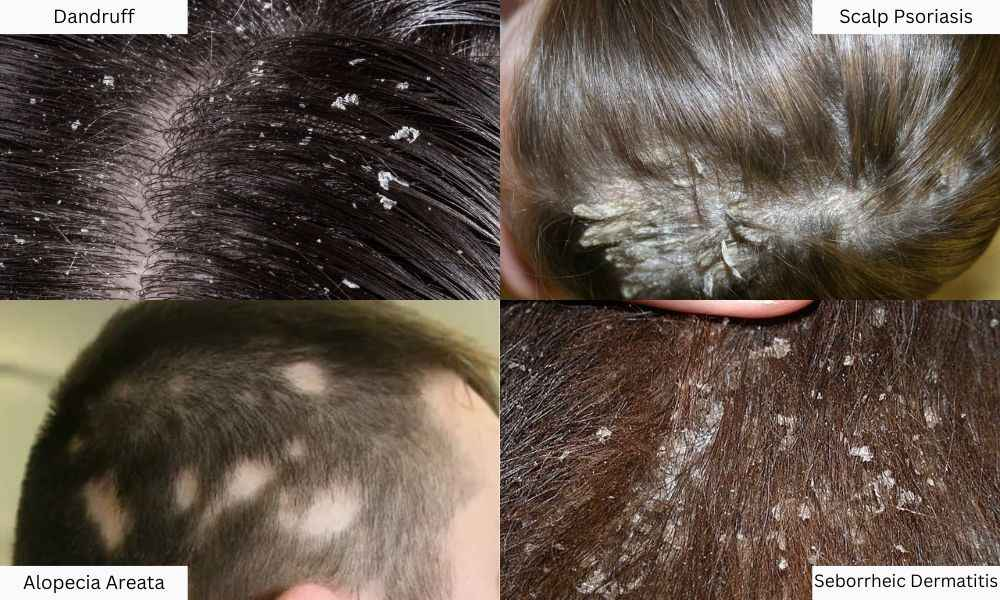
1. Dandruff and Fungal Overgrowth
Dandruff is one of the most common scalp concerns. It is often associated with yeast overgrowth and scalp irritation. While mild dandruff may improve with cosmetic anti-dandruff shampoos, persistent cases may need medicated formulations.
Active ingredients such as ketoconazole or zinc-based compounds can help control fungal growth and reduce flaking when they are used appropriately.
2. Oily Scalp and Blocked Follicles
Excess sebum can build up around the hair follicles. This buildup may:
- Weaken roots
- Attract dirt and pollutants
- Increase inflammation
For an oily scalp, clarifying or salicylic acid-based shampoos may help remove excess buildup without excessively stripping the scalp.
3. Dry and Sensitive Scalp
Overwashing, harsh shampoos, and environmental stress can affect the scalp’s natural barrier. This may result in:
- Tightness
- Flaking
- Irritation
For sensitive scalps, barrier-supporting ingredients such as niacinamide and mild cleansers are often recommended.
4. Scalp Inflammation and Hair Fall
Inflammation can interfere with the normal hair-growth cycle. Persistent redness, itching, or soreness should not be ignored. If hair shedding continues for several months, professional evaluation is recommended.
Scalp Care Routine for Healthy Hair
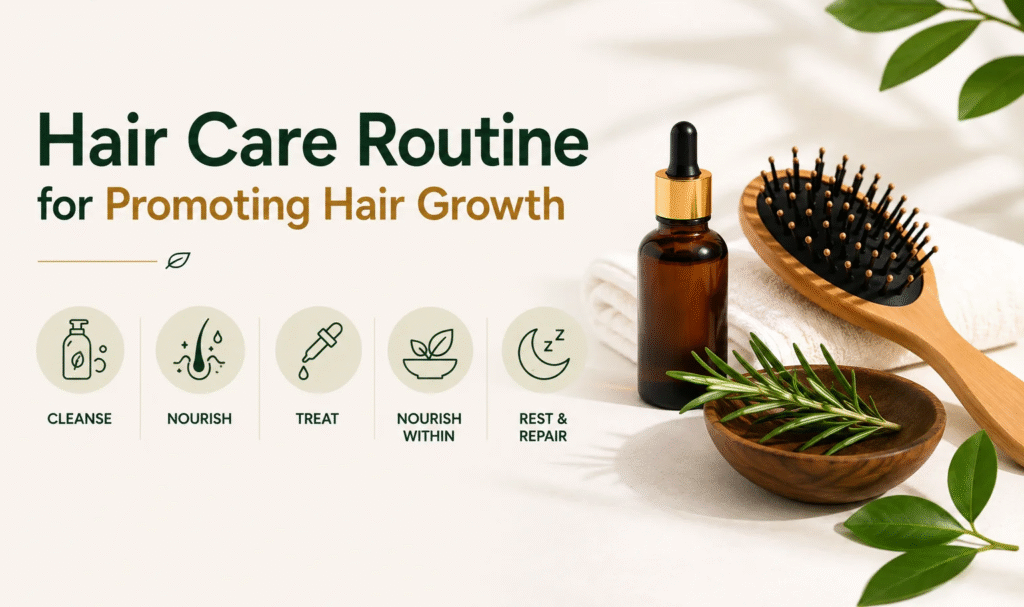
A simple and consistent routine is often more useful than using several different products at the same time.
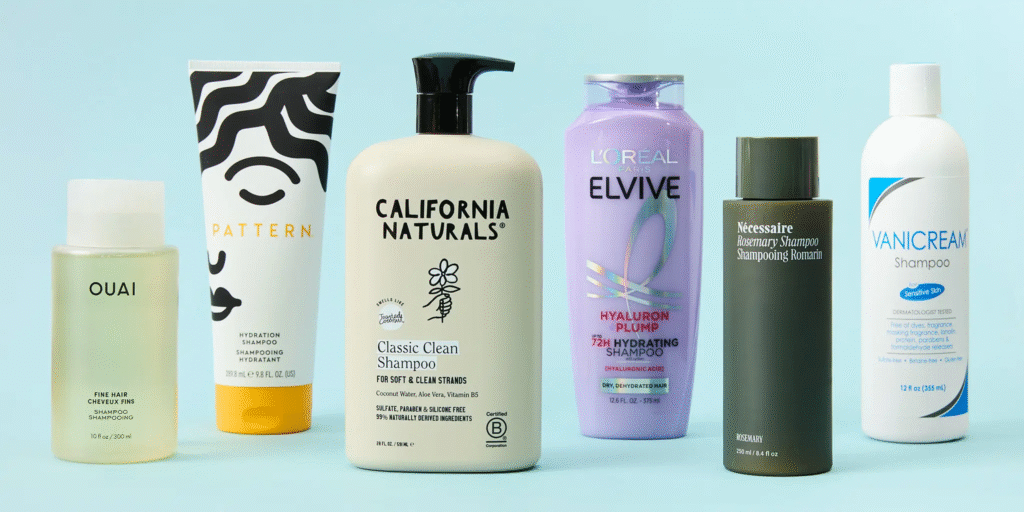
Step 1: Choose the Right Shampoo
Choose a shampoo according to your scalp type:
- For dandruff: Medicated anti-dandruff shampoo
- oily scalp: Salicylic acid-based cleanser
- For sensitive scalp: Mild, sulfate-free formula
Washing frequency typically ranges from 2–3 times per week, although this can vary depending on your individual scalp condition.
Step 2: Use Targeted Scalp Treatments
In some cases, additional scalp support may be useful, including:
- Scalp serums for hair fall
- Anti-dandruff lotions
- Hair-growth solutions under medical supervision
These products are designed to work on the scalp rather than simply coating the hair shaft.
Step 3: Avoid Overwashing
Washing your hair too frequently can interfere with the scalp’s natural oil balance. At the same time, washing too infrequently can allow oil and product buildup to accumulate.
The goal is to find a washing routine that keeps your scalp clean and comfortable without causing excessive dryness.
Step 4: Maintain Hygiene Practices
Simple hygiene habits can make a difference over time:
- Clean combs and brushes regularly
- Avoid aggressive scratching
- Limit excessive heat styling
Small changes in your everyday routine can support a healthier scalp over time.
Medical vs Cosmetic Hair Care for Scalp Issues
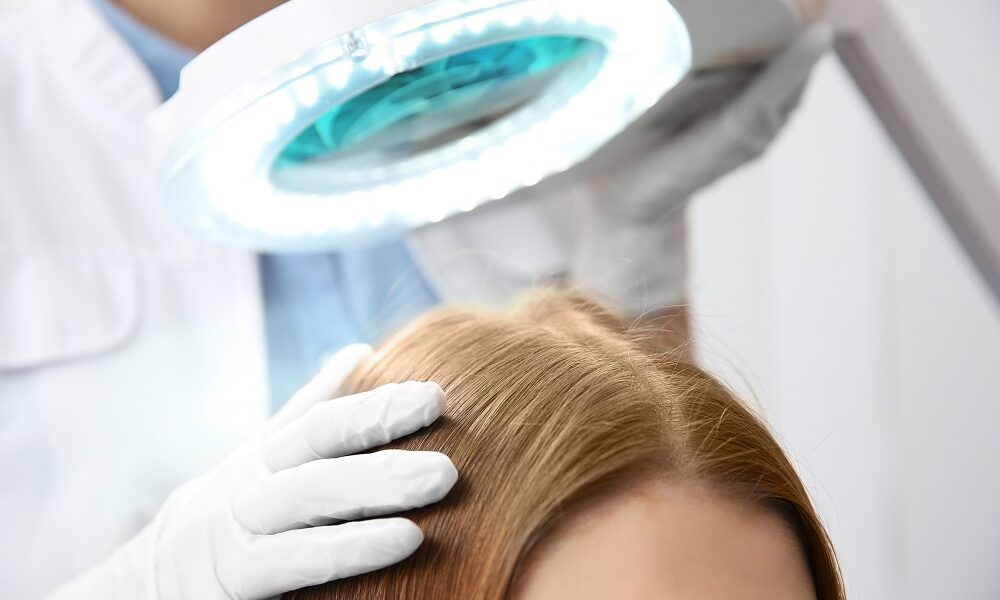
Cosmetic hair-care products are primarily designed to improve appearance, such as shine, fragrance, smoothness, and manageability. They can be suitable for general hair maintenance.
Medical-grade or pharmacy-recommended products, on the other hand, are designed to address specific scalp concerns. These formulations may contain:
- Antifungal agents
- Keratolytic ingredients
- Anti-inflammatory components
If scalp problems continue despite regular care, speaking with a dermatologist or pharmacist can help determine whether a medical-grade product is appropriate.
Key Ingredients That Support Scalp Health
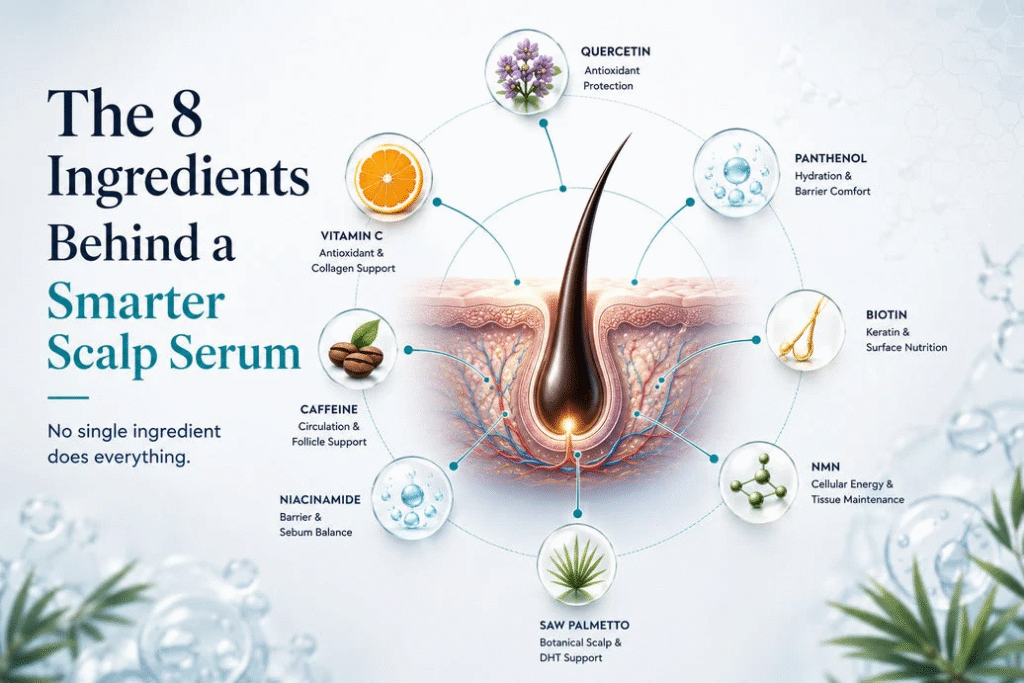
Understanding the ingredients in your scalp-care products can help you make more informed choices.
- Ketoconazole – Helps control fungal growth associated with dandruff.
- Salicylic Acid – Helps exfoliate and remove scalp buildup.
- Niacinamide – Supports the scalp barrier and may help reduce irritation.
- Caffeine – May support hair-follicle stimulation in certain formulations.
- Biotin – Supports overall hair health when used appropriately.
The effectiveness of any ingredient depends on using the right product correctly and consistently.
Who Should Consider Pharmacy-Grade Scalp Products?
Pharmacy-recommended scalp solutions may be worth considering if you experience:
- Persistent dandruff
- Chronic itchy scalp
- Ongoing hair thinning
- Recurrent scalp infections
However, some people should seek professional advice before using targeted scalp treatments, including:
- Pregnant or breastfeeding individuals
- People with scalp wounds or infections
- Those currently using prescription hair treatments
Using these products responsibly can reduce the risk of irritation and inappropriate use.
Possible Side Effects and Precautions

Even clinically tested scalp products can sometimes cause temporary reactions, such as:
- Mild dryness
- Temporary shedding during treatment
- Scalp sensitivity
To use scalp treatments safely:
- Perform a patch test when appropriate
- Follow the product’s usage instructions carefully
- Avoid combining multiple active treatments without professional advice
- Stop using the product and consult a professional if severe irritation occurs
Hair-growth treatments, particularly those containing active pharmaceutical ingredients, may require medical supervision.
Why Buy Scalp Care Products from Atomic Pharmacy?
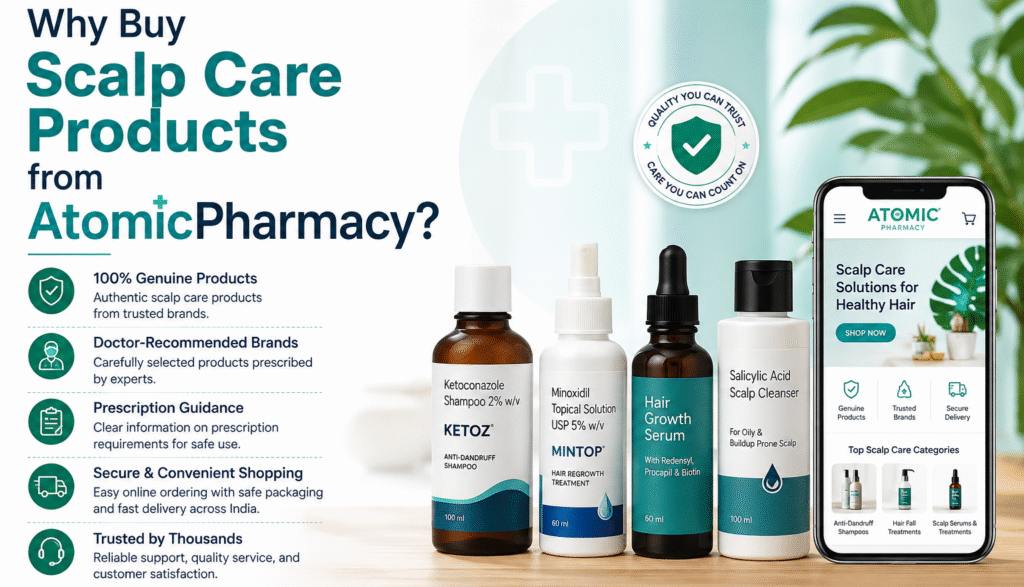
When choosing scalp treatments, product authenticity matters. Counterfeit products or products that have been improperly stored may affect both effectiveness and safety.
Atomic Pharmacy offers:
- Genuine, properly sourced hair and scalp products
- Availability of doctor-recommended brands
- Clear information regarding prescription requirements
- Secure online purchasing for customers across India
Buying scalp-care products from a trusted online pharmacy can help ensure product authenticity, proper handling, and safer purchasing.
Frequently Asked Questions
1. What is the best way to maintain a healthy scalp?
A consistent routine that includes the right shampoo, regular cleansing, gentle scalp massage, good hygiene, and avoiding excessive heat or harsh products can help maintain a healthy scalp.
2. How often should I wash my scalp for healthy hair?
There is no universal schedule. Washing 2–3 times a week may work for some people, while oily scalps may need more frequent cleansing. Your scalp type and lifestyle should guide your routine.
3. Can scalp health affect hair growth?
Yes. Persistent dandruff, inflammation, excessive oiliness, or irritation can create an unhealthy scalp environment and may contribute to increased hair shedding.
4. What is the best shampoo for dandruff and itchy scalp?
Anti-dandruff shampoos containing active ingredients such as ketoconazole, zinc-based compounds, or other proven dandruff treatments may help. Persistent or severe dandruff should be evaluated by a healthcare professional.
5. Is salicylic acid good for an oily scalp?
Salicylic acid can help loosen and remove excess oil, dead skin cells, and buildup from the scalp. It should be used according to product instructions to avoid excessive dryness or irritation.